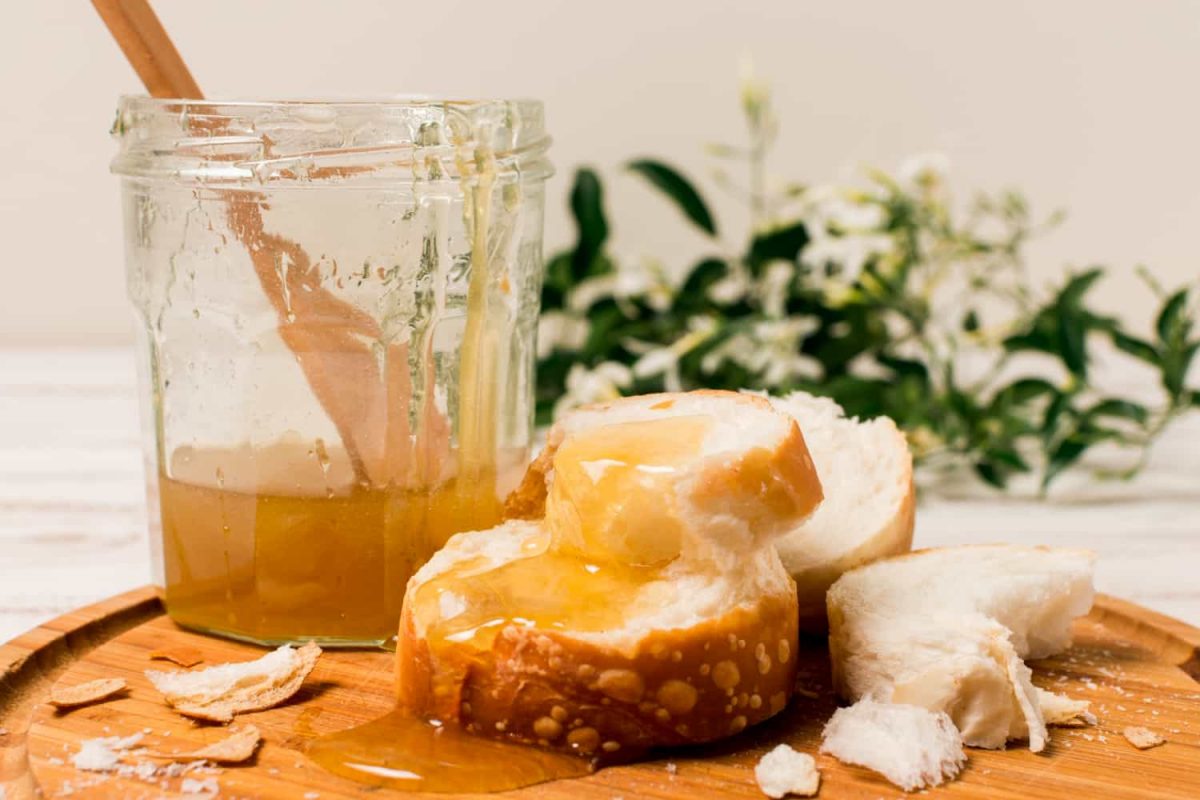

Exploring the Diverse Health Benefits of Honey
Honey, a viscous golden liquid produced by bees, represents far more than a simple sweetener. Its intricate composition, shaped by the nectar sources bees gather, offers a fascinating subject for those interested in natural wellness approaches. The historical reverence for honey across numerous cultures points to a long-standing appreciation for its unique properties.
Many people recognize honey for its comforting taste, but its multifaceted nature extends into various traditional and contemporary wellness discussions. Understanding the subtle nuances of its components can help clarify its role in a balanced lifestyle. This insight empowers individuals to make informed choices about integrating such natural elements into their daily routines.
Our exploration delves into seven specific aspects of honey’s contribution to general well-being. We’ll look at the compounds at play and how they may interact with the body, all within a framework of supporting overall health. This perspective aligns with a proactive approach to personal wellness.
1. Traditional Support for Throat Comfort
Honey has long been recognized for its ability to provide a sense of soothing comfort for the throat. This traditional application is rooted in its natural texture and mild properties. When consumed, honey creates a gentle coating that can help calm irritated tissues.
The thick, viscous consistency of honey is key to this effect. It provides a physical barrier that contributes to a feeling of relief. Many people find this particularly helpful when experiencing the discomfort of a scratchy throat.
This comforting sensation is a primary reason honey remains a popular choice for general wellness support. It’s a simple, accessible option that has stood the test of time in household remedies. This makes it a staple for many seeking natural comfort.
- Key Compounds: Fructose, Glucose, Water, Minor Proteins
- General Wellness Focus: Soothing sensations for the upper respiratory tract
- Exploration Point: Its viscous texture provides temporary comfort to irritated areas.
Recommended Protocol
People often consume a small spoonful of honey directly or stir it into warm beverages for throat comfort.
2. External Skin Application for Comfort and Softness
Beyond internal use, honey finds a place in external applications, particularly for skin care. Its emollient properties are often discussed in relation to maintaining skin hydration and promoting a soft feel. Ancient civilizations frequently incorporated honey into their beauty rituals.
Honey’s natural humectant qualities allow it to attract and retain moisture. This characteristic can contribute to a hydrated skin appearance when applied topically. Many people value this for maintaining skin’s suppleness and general comfort.
The application of honey can be a component of a routine aimed at skin nourishment. It helps support the skin’s natural barrier and contributes to a smooth texture. This makes it a popular ingredient in various home-based skin preparations.
- Key Compounds: Sugars, Water, Trace Minerals, Amino Acids
- General Wellness Focus: Skin hydration and a feeling of softness
- Exploration Point: Natural humectant properties help attract and hold moisture in the skin.
Application Method
To use topically, a thin layer of raw honey can be gently applied to clean skin, left for a short period, then rinsed with warm water.
3. Digestive Wellness Ally
Honey may contribute to a supportive environment for certain beneficial gut flora, a concept often explored in discussions of digestive wellness. This potential is linked to its composition, which includes particular types of carbohydrates. These carbohydrates can act as substrates for these beneficial microorganisms.
The presence of oligosaccharides in some honey varieties is of interest in this context. These compounds are non-digestible by humans but can be metabolized by certain bacteria in the colon. This process is generally discussed in relation to a balanced gut environment.
Incorporating honey into a balanced dietary pattern may be a part of a broader strategy for supporting digestive comfort. People often consider it a natural food choice that can complement other efforts toward gut wellness. This perspective emphasizes a whole-food approach.
- Key Compounds: Fructose, Glucose, Oligosaccharides
- General Wellness Focus: Supporting a balanced internal environment for beneficial gut flora
- Exploration Point: Contains certain carbohydrates that may contribute to gut microbial activity.
Usage Instructions
Some individuals integrate honey into their morning routines or as a part of a balanced meal to explore its digestive wellness aspects.
4. Natural Energy Source
Honey provides a readily available source of carbohydrates, making it a natural choice for supporting daily energy needs. Its primary components, fructose and glucose, are simple sugars that the body can quickly utilize. This makes it a practical food for sustained activity.
Glucose is absorbed directly into the bloodstream, offering an immediate energy supply. Fructose, while also a sugar, is metabolized differently, providing a more gradual release of energy. This combination can contribute to a balanced energy profile.
Many people include honey in their diet for pre-activity fuel or as a general energy sustainer. It serves as a concentrated, natural form of sugar that can fit into various dietary approaches. This makes it a popular component of active lifestyles.
- Key Compounds: Fructose, Glucose
- General Wellness Focus: Providing accessible carbohydrate energy for bodily functions
- Exploration Point: A natural blend of simple sugars that offer readily available fuel.
Consumption Guideline
One or two teaspoons of honey can be consumed directly or added to water or a snack for a quick source of carbohydrates.
5. Antioxidant Compound Presence
Honey contains various compounds that are often discussed in relation to cellular well-being, particularly its antioxidant content. These include flavonoids and phenolic acids, which are naturally occurring substances found in many plant-derived foods. The specific profile of these compounds can vary significantly based on the floral source.
These compounds are of interest because of their potential to interact with metabolic processes within the body. People often consider foods rich in these substances as beneficial for maintaining general cellular health. This contributes to a broader understanding of diet and wellness.
The presence of these compounds positions honey as a food that contributes to a diverse intake of plant-derived nutrients. Including it as part of a varied diet supports a comprehensive approach to nutritional well-being. Research from the National Institutes of Health provides further context on the role of antioxidants in diet.
- Key Compounds: Flavonoids, Phenolic Acids, Ascorbic Acid
- General Wellness Focus: Contributing to overall cellular health through diverse plant compounds
- Exploration Point: Contains naturally occurring compounds often explored for their interaction with cellular processes.
Integrative Strategy
To include honey for its natural compounds, consider raw, unfiltered varieties, which may retain a broader spectrum of these substances.
6. Support for a Sense of Well-being
Beyond its physical properties, honey can contribute to a sense of general well-being, particularly as a comforting food. The act of enjoying something naturally sweet and soothing can have a psychological component that supports relaxation. This makes it a common addition to calming routines.
For some, a warm drink with honey before bed is a cherished ritual that helps foster a sense of peace. The gentle sweetness and warmth can be conducive to winding down at the end of the day. This is a common practice for supporting a feeling of restfulness.
The simple pleasure of consuming honey, especially when integrated into personal comfort practices, can play a role in daily mental and emotional equilibrium. It represents a small, natural indulgence that many find beneficial for their overall mood. This underscores the holistic connection between food and feelings.
- Key Compounds: Natural Sugars, Aroma Compounds
- General Wellness Focus: Contributing to comfort and a sense of calm within daily routines
- Exploration Point: A comforting food item that can enhance feelings of relaxation.
Evening Preparation
A small amount of honey stirred into a cup of warm water or herbal tea before bedtime can be a part of a relaxing evening ritual.
7. Maintaining Oral Health Traditions
Historically, some cultures have explored the use of honey for aspects of oral comfort and cleanliness. While not a substitute for regular dental care, its natural properties have been discussed in the context of maintaining a refreshed feeling in the mouth. This perspective is rooted in traditional practices.
Honey has a unique composition that includes a complex blend of sugars and other compounds. These characteristics have led some to consider its use for general mouth hygiene, often in a diluted form. This is generally understood as part of a broader wellness approach rather than a direct dental treatment.
It’s important to remember that rigorous dental hygiene practices, including brushing and flossing, are fundamental for oral health. Any traditional uses of honey for the mouth are typically seen as complementary, focusing on overall comfort and a clean sensation. People with underlying conditions often work with a qualified healthcare professional for personalized guidance.
- Key Compounds: Sugars, Water, Hydrogen Peroxide precursor (in some honeys)
- General Wellness Focus: Supporting traditional approaches to mouth comfort and freshness
- Exploration Point: Historical uses for general mouth care, distinct from modern dental practices.
Dilution Protocol
A very diluted solution of honey and warm water might be used as a mouth rinse in some traditional practices to explore a sense of oral freshness.
Comparing Popular Honey Varieties for Wellness Characteristics
Honey is not a monolithic substance; its characteristics vary significantly depending on the floral sources from which bees collect nectar. Different varieties may offer slightly different profiles in terms of taste, color, and specific compound concentrations. This table outlines some common types and their generally recognized wellness characteristics.
| Honey Type | Primary Floral Source | Color & Texture | Common Wellness Association |
|---|---|---|---|
| Acacia Honey | Acacia tree (Robinia pseudoacacia) | Very light, almost clear; liquid, slow to crystallize | Gentle flavor, often favored for light applications and general sweetening. |
| Clover Honey | Clover blossoms | Light, golden; mild flavor, often creamy when crystallized | Widely available, a popular choice for everyday use and general well-being. |
| Manuka Honey | Manuka bush (Leptospermum scoparium) | Dark cream to dark brown; thicker texture | Often discussed for its unique non-peroxide activity, popular in topical applications and wellness. |
| Buckwheat Honey | Buckwheat flower | Very dark, robust flavor; high antioxidant content often discussed | Strong flavor, often chosen for its distinct compound profile and throat comfort. |
| Wildflower Honey | Nectar from various wild flora | Varies in color and taste depending on region; generally amber | Reflects local biodiversity, considered a good all-around choice for general wellness. |
Frequently Asked Questions About Honey and Wellness
It’s natural to have questions when integrating natural foods like honey into a wellness-focused lifestyle. Here are some common inquiries. This information is educational and not a substitute for medical advice.
What is the difference between raw and regular honey?
Raw honey is typically unfiltered and unpasteurized, meaning it retains pollen, propolis, and other beneficial compounds that might be removed during conventional processing. Regular honey usually undergoes heating and filtering, which can extend shelf life but may alter some of its natural properties.
Can honey be used in place of sugar for general wellness?
Honey is a natural sweetener and can be used as an alternative to refined sugar. While it contains similar calorie levels, it also offers a unique profile of natural compounds. Balancing consumption of all sweeteners is generally recommended for overall health.
Are there specific types of honey that are better for certain wellness aspects?
While all honey shares common characteristics, some varieties are often highlighted for particular features. For instance, Manuka honey is frequently discussed for its distinct properties, while buckwheat honey is noted for its darker color and compound profile. The choice often depends on individual preference and specific wellness interests.
The Bottom Line
Honey, a revered natural product, offers a spectrum of potential wellness benefits that extend beyond its role as a simple sweetener. From providing throat comfort to supporting digestive wellness and offering a natural energy source, its versatile nature makes it a valuable addition to a health-conscious lifestyle. Understanding the nuances of different honey types and their unique compositions can help you make informed choices.
Consider exploring the inclusion of high-quality, raw honey into your daily routine, keeping in mind individual dietary needs and preferences.
Get Your FREE Natural Health Guide!
Subscribe now and receive our exclusive ebook packed with natural health tips, practical wellness advice, and easy lifestyle changes, delivered straight to your inbox.