Unlock Your Body’s Natural Defenses: A Guide to Naturally Supercharge Your Immune System
Nourishing your body’s intrinsic defenses stands as a cornerstone of long-term wellness. A responsive immune system does not happen by chance; it emerges from consistent, intentional daily practices. By understanding specific biological interactions, you can support your body’s inherent capacity.
The strategies outlined here delve into the fundamental elements that contribute to robust immune function. These aren’t temporary fixes, but rather foundational habits designed to create lasting resilience within your physiological systems. Consider these approaches as essential for building a stronger internal environment.
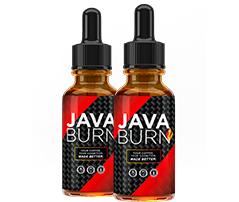
Java Burn™ Coffee Enhancer
- Tasteless nutrient blend designed to seamlessly stir into your daily coffee
- Formulated to support a steady, healthy metabolism without lifestyle disruptions
- Manufactured in a cGMP-compliant, FDA-registered facility
To naturally supercharge your immune system requires a dedication to habits that foster balance and support cellular health. This guide provides actionable steps, grounded in the science of how your body responds to daily inputs, to empower you with enduring vitality.
Habit 1: Prioritize Quality Sleep
Sleep is far from a passive state; it’s a period of intense physiological repair and consolidation. During deep sleep cycles, the body actively synthesizes and releases crucial immune proteins called cytokines. These signaling molecules play a vital role in coordinating immune responses, regulating inflammation, and combating pathogens.
Insufficient sleep can disrupt this delicate balance, potentially reducing the production of protective cytokines. It also influences the activity of certain white blood cells, such as T cells, which are essential for identifying and eliminating infected cells. Chronic sleep deprivation can therefore diminish the body’s immediate responsiveness to challenges.
The sleep hormone melatonin also exhibits immunomodulatory properties. Its release during darkness helps regulate various immune functions, acting as an antioxidant and influencing immune cell activity. Ensuring adequate melatonin production through consistent sleep patterns provides a consistent foundation for defense.
- Key Hormones: Melatonin, Growth Hormone, Cortisol (regulated)
- Best For: Cellular repair, immune protein synthesis, inflammatory balance
- Biological Impact: Supports T cell function, cytokine production, pathogen recognition
Bedtime Routine Cultivation
Establish a consistent sleep schedule, going to bed and waking up at the same time daily, even on weekends, to support your natural circadian rhythm.
Habit 2: Embrace Nutrient-Dense Whole Foods
The foods you consume provide the building blocks and regulatory signals for every bodily process, including immune function. A diet rich in whole, unprocessed foods delivers a spectrum of vitamins, minerals, and phytochemicals that directly influence immune cell development and activity.
Specific micronutrients, such as Vitamin C, Vitamin D, and Zinc, are particularly well-documented for their roles in immune support. Vitamin C, for instance, acts as an antioxidant and supports various cellular functions of both the innate and adaptive immune systems. Vitamin D receptors are found on many immune cells, influencing their proliferation and function.
Beyond individual nutrients, the synergistic effect of various compounds within whole foods creates a powerful defense matrix. Colorful fruits and vegetables are packed with antioxidants like flavonoids and carotenoids, which help protect cells from oxidative stress. This broad nutritional support helps maintain the integrity of immune cells and their signaling pathways.
| Nutrient Category | Primary Role in Immune Support | Key Food Sources |
|---|---|---|
| Vitamin C | Antioxidant, supports phagocyte function | Citrus fruits, bell peppers, broccoli |
| Vitamin D | Modulates immune response, cell differentiation | Fatty fish, fortified foods, sunlight exposure |
| Zinc | Cofactor for immune enzymes, T cell development | Legumes, nuts, seeds, red meat |
| Probiotics | Supports gut microbiome balance, immune education | Fermented foods like kefir, sauerkraut, yogurt |
- Key Vitamins: C, D, A, E
- Essential Minerals: Zinc, Selenium, Iron
- Source Examples: Berries, leafy greens, nuts, seeds, fatty fish
Daily Dietary Integration
Incorporate a diverse range of colorful fruits, vegetables, whole grains, and lean proteins into your daily meals to ensure a broad intake of essential nutrients.
Habit 3: Engage in Regular, Moderate Movement
Consistent physical activity offers more than just physical conditioning; it contributes significantly to overall immune resilience. Moderate movement encourages circulation throughout the body, which facilitates the transport of immune cells and substances. This enhanced movement supports the immune system’s ability to monitor for and respond to challenges.
The lymphatic system, a critical component of immune surveillance, relies on muscle contractions to circulate lymph fluid. Lymph carries white blood cells and helps remove waste products. Regular, gentle movement can help promote the natural flow of lymph, ensuring immune cells reach their destinations efficiently.
Movement also influences the body’s stress response. Engaging in physical activity can help manage levels of stress hormones, which, at sustained high levels, may influence immune function. This balancing effect contributes to a more stable physiological state, which can be beneficial for immune support.
- Movement Type: Brisk walking, cycling, swimming, yoga
- Associated Benefits: Supports circulation, promotes lymphatic flow, helps manage stress
- Physiological Area: Cardiovascular system, lymphatic system, musculoskeletal system
Movement Protocol Development
Aim for at least 30 minutes of moderate intensity movement most days of the week, finding activities that you genuinely enjoy and can sustain over time.
Habit 4: Manage Stress Effectively
Stress isn’t merely a mental state; it has tangible physiological impacts. When faced with persistent stress, the body releases hormones like cortisol and adrenaline. While beneficial in acute situations, chronically elevated levels of these hormones can influence the production and activity of immune cells over time.
The intricate connection between the nervous system and the immune system means that emotional states can communicate directly with immune cells. This constant communication network highlights the importance of psychological well-being for maintaining a responsive immune defense. Finding effective ways to mitigate daily stressors becomes a proactive immune strategy.
Long-term stress exposure can alter the balance of various immune cell populations and their communication pathways. By consciously implementing stress-reduction techniques, you help create an internal environment that supports immune cells in performing their roles more effectively. This isn’t about eliminating stress, but about cultivating resilience to its effects.
- Stressors: Work pressure, financial concerns, relationship dynamics
- Impact on Body: Influences hormone balance, modulates immune cell activity
- Coping Mechanisms: Mindfulness, deep breathing, spending time in nature, social connection
Daily Stress Reduction
Integrate short, intentional periods of relaxation into your day, such as a 5-minute deep breathing exercise or a quiet walk, to help regulate your body’s stress response.
Habit 5: Stay Adequately Hydrated
Water is an indispensable component of every biological process, and immune function is no exception. Adequate hydration is essential for maintaining the integrity of mucous membranes, which line the respiratory and digestive tracts. These membranes form a primary physical barrier against environmental elements and unwanted organisms.
Water facilitates the transport of nutrients to cells and the removal of waste products from the body. This continuous flushing mechanism is crucial for immune cell health and efficiency. Dehydration can impair these vital transport systems, potentially affecting how immune cells communicate and function.
Furthermore, hydration plays a role in the production of lymph, the fluid that circulates through the lymphatic system, carrying immune cells throughout the body. Proper fluid balance ensures that this system can operate optimally, supporting immune surveillance and response. Maintaining cellular hydration provides a stable environment for immune defense.
- Fluid Type: Filtered water, herbal teas, water-rich foods
- Role in Body: Maintains mucous membrane integrity, facilitates nutrient transport, supports lymphatic function
- Hydration Indicator: Pale yellow urine, consistent energy levels
Fluid Intake Protocol
Make a conscious effort to sip water consistently throughout the day, aiming for small, frequent intakes rather than large, infrequent amounts.
Habit 6: Cultivate a Healthy Gut Microbiome
The gut microbiome, a complex community of microorganisms residing in your digestive tract, exerts a profound influence on immune system development and function. A significant portion of your immune cells, including Peyer’s patches and numerous lymphoid tissues, are located in the gut, making it a central hub for immune activity. This intimate connection means a balanced gut flora directly supports immune resilience.
Beneficial gut bacteria produce short-chain fatty acids like butyrate, which serve as an energy source for colon cells and possess anti-inflammatory properties. These compounds also influence immune cell differentiation and function, helping to maintain a balanced immune response. A diverse microbiome helps educate the immune system, teaching it to distinguish between harmful and harmless substances.
Dietary fiber, found in plant foods, acts as a prebiotic, feeding these beneficial bacteria and promoting their growth. Incorporating fermented foods rich in live bacterial cultures can also introduce a wider array of microbial species, further supporting gut diversity. Research from the National Institutes of Health demonstrates the extensive crosstalk between the gut and systemic immune function.
- Key Bacteria: Lactobacillus, Bifidobacterium species
- Beneficial Compounds: Short-chain fatty acids, B vitamins, K vitamins
- Food Sources: Fermented vegetables, yogurt, kefir, resistant starches, diverse plant fibers
Microbiome Nurturing Strategy
Regularly consume a wide variety of plant-based foods and include fermented options to foster a diverse and flourishing gut microbial community.
Habit 7: Incorporate Beneficial Botanicals (Mindfully)
Certain botanicals have been historically valued for their roles in supporting general wellness and modulating physiological responses. These plant compounds interact with various systems in the body, including those involved in immune function, in nuanced ways. Understanding their traditional uses and active constituents can offer additional layers of support.
Many botanicals contain adaptogens, which are substances that may help the body adapt to various stressors, thereby supporting overall physiological balance. Others are rich in polysaccharides, complex carbohydrates that can interact with immune cell receptors, influencing their activity and responsiveness. These interactions are part of the plant’s natural defense mechanisms, which can translate to human health benefits.
Specific examples include Echinacea, known for its alkylamides and polysaccharides, and Astragalus, rich in saponins and flavonoids. These compounds do not “boost” the immune system in an aggressive way, but rather work to support its inherent functions and maintain equilibrium. Always approach botanical integration with awareness and an understanding of individual needs.
- Botanical: Echinacea purpurea
- Primary Action: Supports healthy immune cell communication
- Traditional Use: General wellness support
Considered Botanical Integration
Explore high-quality, standardized botanical extracts or teas, opting for forms like tinctures or capsules, after discussing with a qualified healthcare professional, especially if you have underlying conditions.
People with underlying conditions often work with a qualified healthcare professional for personalized guidance. This information is educational and not a substitute for medical advice.
Frequently Asked Questions
How quickly can daily habits influence immune function?
The body responds to consistent inputs over time. While some benefits, like improved sleep quality, can be felt relatively quickly, the deeper changes in immune resilience develop over weeks and months of sustained effort. Consistency is more impactful than intensity for long-term support.
Are specific supplements necessary to supercharge my immune system?
The foundation of a strong immune system rests on lifestyle habits: nutrition, sleep, movement, and stress management. While targeted supplements can offer support in specific cases or for particular nutrient gaps, they are generally considered complementary to these primary habits, not a replacement. Always prioritize whole foods first.
Can lifestyle changes help if I have a pre-existing health condition?
Yes, adopting these habits can generally support overall well-being. However, individuals with pre-existing health conditions should always discuss any lifestyle changes or the integration of botanicals with their qualified healthcare professional. They can provide personalized advice tailored to your specific health needs.
Is it possible to “overcharge” the immune system?
The goal is to support a balanced and responsive immune system, not to excessively stimulate it. The daily habits discussed here promote a harmonious function, encouraging the immune system to react appropriately when needed and to remain calm otherwise. The focus is on equilibrium, not hyper-activation.
The Bottom Line
Empowering your immune system is a continuous journey, built upon the bedrock of mindful daily practices. It’s about cultivating a physiological environment where your body’s natural defenses can operate at their best. By integrating quality sleep, nutrient-dense foods, regular movement, effective stress management, adequate hydration, and a thriving gut microbiome, you create robust, lasting resilience. Understanding these interwoven elements provides the framework for enduring well-being. Your next step is to choose one habit to implement consistently, building momentum towards a stronger, more vibrant self.
Get Your FREE Natural Health Guide!
Subscribe now and receive our exclusive ebook packed with natural health tips, practical wellness advice, and easy lifestyle changes, delivered straight to your inbox.