
Chia Seeds for Omega 3 Hydration: A Natural Approach to Wellness
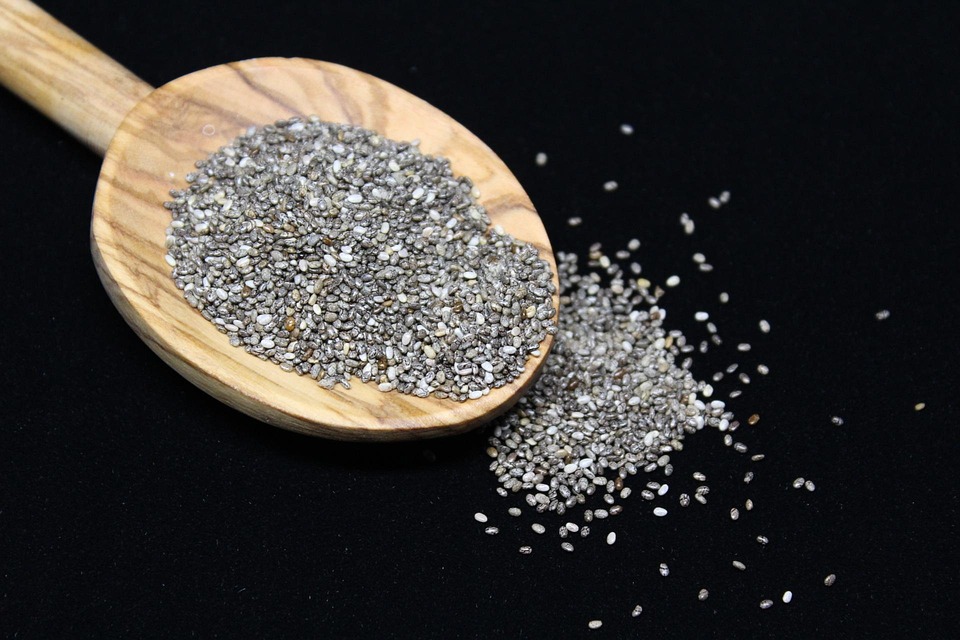
Chia seeds offer a distinctive profile of nutrients. They provide a plant-based source of omega 3 fatty acids, specifically alpha-linolenic acid, or ALA. Many people explore how incorporating these tiny seeds can support their general well-being.
These remarkable seeds possess a unique ability to absorb liquid. This property is often discussed in relation to how they create a gel-like consistency when mixed with water or other fluids. This characteristic contributes to their popular use in various culinary applications.
Understanding the components within chia seeds helps clarify their role in a balanced lifestyle. They contain dietary fiber, plant protein, and essential minerals, along with their notable omega 3 content. These elements collectively contribute to their appeal.
Understanding Alpha-Linolenic Acid (ALA) from Chia Seeds
Alpha-linolenic acid, or ALA, stands as an essential omega 3 fatty acid. The human body cannot produce ALA on its own. It must be obtained through dietary sources. Chia seeds represent a concentrated plant-based reservoir of this important nutrient.
Once consumed, ALA undergoes a process within the body. It can be converted, albeit in smaller quantities, into longer-chain omega 3 fatty acids like EPA and DHA. These conversions are often discussed in nutritional science contexts. However, ALA itself offers distinct benefits.
The presence of ALA in foods like chia seeds contributes to the overall dietary intake of omega 3s. This is particularly relevant for individuals seeking plant-based options. Plant-derived omega 3s play a part in many general cellular processes.
- Active Compound: Alpha-linolenic acid (ALA)
- Best Used For: Plant-based omega 3 intake, dietary fiber supplementation
- Mechanism of Action: Precursor to longer-chain omega 3s, integral to cell membrane structure
Integrating Chia Seeds into Your Daily Rhythm
To incorporate chia seeds, simply add them to your preferred liquid. Consider mixing one to two tablespoons into water, juice, or a smoothie. Allow them to sit for about 10-15 minutes until they form a gel.
The Role of Fiber in Chia Seeds and Water Absorption
Chia seeds are notably rich in dietary fiber. Both soluble and insoluble fibers are present in significant amounts. This combination creates unique properties when the seeds interact with liquids.
Soluble fiber, in particular, forms a gel when it comes into contact with water. This is the characteristic that makes chia seeds swell and create a thick consistency. This gelling action is a key aspect of their functionality.
This fibrous matrix can influence the movement of food through the digestive system. It helps support regular digestive function. The hydration properties of this gel are often discussed in the context of maintaining a comfortable digestive rhythm.
- Key Component: Soluble and Insoluble Fiber
- Best Used For: Supporting digestive regularity, contributing to a feeling of fullness
- Mechanism of Action: Forms a gel with water, adds bulk to stool
Simple Inclusion Guidelines
For general wellness, blend prepared chia gel into yogurts, oatmeal, or salad dressings. This enhances both texture and nutritional content.
Beyond Omega 3s: Other Nutritional Contributions of Chia
While famous for their omega 3 content, chia seeds offer more than just ALA. They are a surprisingly dense source of several other important nutrients. This makes them a versatile addition to many dietary patterns.
These seeds contain a notable amount of plant-based protein. This is particularly valuable for individuals following vegetarian or vegan eating styles. Protein is widely recognized for its fundamental role in many bodily functions.
Essential minerals like calcium, magnesium, and phosphorus are also present. These minerals are crucial for maintaining bone health and nerve function. Antioxidants found in chia seeds contribute to cellular protection. Research from the National Institutes of Health indicates the broad benefits of nutrient-dense foods.
| Nutrient | Key Benefit Area | Contribution to Wellness |
|---|---|---|
| Alpha-Linolenic Acid (ALA) | Essential Fatty Acid Intake | Supports cellular structure and general function |
| Dietary Fiber | Digestive Regularity | Promotes comfortable bowel movements, feeling of fullness |
| Plant Protein | Muscle and Tissue Support | Aids in the maintenance and repair of bodily tissues |
| Minerals (Calcium, Magnesium) | Bone Health, Nerve Function | Important for skeletal integrity and nervous system balance |
| Antioxidants | Cellular Protection | Helps protect cells from everyday stressors |
Considerations for Nutrient Balance
To maximize the broad nutrient uptake, combine chia seeds with a varied diet of fruits, vegetables, and other whole foods. This offers a wide spectrum of essential vitamins and minerals.
Historical Perspective and Traditional Use of Chia Seeds
Chia seeds are not a recent discovery. Their use traces back thousands of years to ancient civilizations. The Aztecs and Mayans, among others, valued chia as a staple food. They recognized its potent nutritional qualities.
These societies relied on chia seeds for sustained energy. Warriors and messengers consumed them for endurance during long journeys. The seeds were often ground into flour or mixed with water to create a nourishing beverage.
Chia also held cultural and ceremonial significance. It was offered in religious rituals and used as a medicinal ingredient. This deep historical roots underscore its long-standing recognition as a valuable food source.
- Origin: Central and Southern Mexico, Guatemala
- Traditional Use: Sustained energy, staple food, ceremonial ingredient
- Historical Significance: Valued by Aztec and Mayan civilizations
Ancient Wisdom in Modern Dietary Practices
For contemporary use, consider integrating chia into traditional recipes. This might include adding them to homemade tortillas or energy bars, reflecting ancient dietary practices.
Common Misunderstandings About Chia Seed Consumption
Many people approach chia seeds with enthusiasm. However, some common misconceptions can arise regarding their consumption. Clarifying these points ensures a more informed and beneficial experience.
One frequent query concerns eating dry chia seeds. While generally safe in small amounts, consuming large quantities of dry seeds without adequate fluid can be uncomfortable. Their intense absorbency means they can swell significantly.
Another misunderstanding relates to immediate effects. Chia seeds offer general dietary support and contribute to overall wellness over time. They are not intended as a quick fix or a treatment for specific conditions.
- Misconception 1: Eating large amounts of dry seeds is always comfortable.
- Clarification: High absorbency can cause discomfort without sufficient liquid.
- Misconception 2: Chia seeds offer immediate therapeutic effects.
- Clarification: Provides general nutritional support for long-term well-being.
Ensuring Comfortable Consumption
Always pre-soak chia seeds in liquid for at least 10 minutes before consuming them. This allows them to expand fully and aids digestion.
Practical Ways to Incorporate Chia Seeds into Your Meals
Integrating chia seeds into daily meals is remarkably straightforward. Their mild flavor profile allows them to blend seamlessly into many dishes. This versatility makes them a simple addition to a balanced diet.
One popular method involves creating chia puddings. These can serve as a healthy breakfast or dessert. Simply mix chia seeds with plant-based milk, a sweetener, and desired flavorings, then refrigerate overnight.
Beyond puddings, consider sprinkling them over salads for an added nutritional boost. They also work well mixed into yogurt, oatmeal, or even baked goods. This increases the fiber, omega 3, and protein content of your favorite foods.
- Breakfast Options: Chia puddings, oatmeal topping, smoothie ingredient
- Lunch/Dinner Additions: Salad topping, mixed into dressings, thickener for soups
- Snack Ideas: Energy bars, mixed into homemade crackers, fruit parfaits
Culinary Innovation Tips
Experiment with chia seeds as a natural thickener for sauces and gravies. This adds nutrients while enhancing texture without using refined starches.
Frequently Asked Questions
Do chia seeds really help with hydration?
Chia seeds do not provide direct hydration in the same way drinking water does. However, their high fiber content absorbs a significant amount of water. This creates a gel that can help maintain a feeling of sustained comfort and general digestive flow. People often discuss this property in the context of supporting overall wellness.
How much chia seeds should I consume daily?
The general recommendation for adults exploring chia seeds for wellness is typically around one to two tablespoons per day. People often adjust this amount based on their individual dietary needs and preferences. It’s always a good practice to start with a smaller amount and gradually increase it.
Are there any side effects from eating chia seeds?
When consumed in moderation and with sufficient liquid, chia seeds are generally well-tolerated. However, due to their high fiber content, consuming large amounts quickly or without enough water can sometimes lead to digestive discomfort, such as bloating. People with underlying conditions often work with a qualified healthcare professional for personalized guidance.
Can children eat chia seeds?
Yes, children can generally consume chia seeds as part of a balanced diet. It is advisable to introduce them in small quantities, ensuring they are soaked and mixed into foods like smoothies or yogurt. As with any new food, parental supervision and moderation are key.
The Bottom Line
Chia seeds offer a compelling package of nutritional benefits. Their notable omega 3 ALA content, alongside abundant fiber, protein, and minerals, positions them as a valuable dietary inclusion. By understanding their properties and integrating them thoughtfully, individuals can support their general well-being and contribute to a balanced lifestyle.
For those interested in enhancing their nutrient intake through whole foods, begin by incorporating soaked chia seeds into your daily routine. This information is educational and not a substitute for medical advice.
Get Your FREE Natural Health Guide!
Subscribe now and receive our exclusive ebook packed with natural health tips, practical wellness advice, and easy lifestyle changes, delivered straight to your inbox.