The Long-Term Success Strategies For Maintaining Dental Implants Naturally
I feel the subtle tension of a morning routine that demands precision when my own oral health feels like a delicate balance. Many people notice that the stability of artificial tooth roots depends on consistent attention to the gum tissue and surrounding bone structure. Navigating this process requires a mindful approach to daily hygiene and lifestyle choices that protect the investment made in your smile.
Research suggests that oral hygiene practices directly influence the longevity of restorative dental work. Factors like plaque control and systemic inflammation play a significant role in how tissues respond to foreign materials. Developing a robust habits-based framework remains the gold standard for preserving these outcomes over many decades.
Smart Habits For Maintaining Dental Implants Naturally involve rigorous daily biofilm removal through specialized interdental cleaning and the consistent use of non-abrasive oral care products. These actions prevent the accumulation of bacteria that might compromise the seal between the gum and the prosthetic surface.
Key Takeaways
- Clinical data indicates that proper home care can reduce peri-implant inflammation rates by over 50 percent.
- Soft tissue attachment to the post surface remains the most critical barrier against bacterial infiltration.
- Consistent professional evaluations every 6 months are associated with a significant decrease in long-term hardware failure.
Foundational Principles For Oral Stability
The health of the tissues surrounding your artificial teeth relies on a clean environment. Bacteria aggregate quickly in the small spaces where the prosthetic meets the gum line. Removing this buildup prevents the onset of common inflammatory conditions.
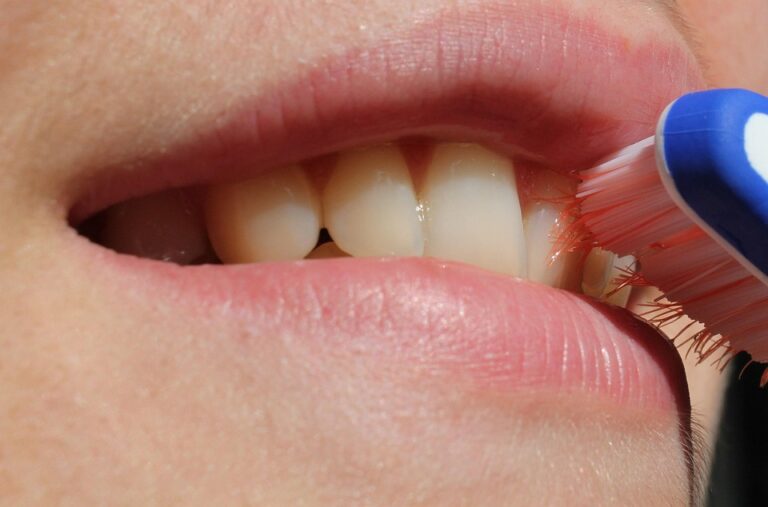
- Mechanical Cleaning requires the use of nylon-coated brushes that avoid scratching the titanium surface. Avoid metal tools that damage the delicate finish of the post.
- Chemical Balance involves choosing rinses free of harsh alcohols that dry out the oral mucosa. A balanced mouth environment supports healthy tissue resilience.
- Dietary Choices include limiting refined sugars that feed oral pathogens. Focus on fibrous vegetables that naturally assist in clearing food debris from hard-to-reach areas.
Evidence from the National Institute of Dental and Craniofacial Research confirms that consistent plaque removal is the primary factor in preventing tissue degradation. You should aim for a routine that leaves the area feeling completely clean without force.
Customizing Your Daily Hygiene Protocol
No two mouths share the same anatomy or bacterial profile. Some individuals need additional time spent on irrigation to manage deeper spaces around the prosthetic. A tailored approach ensures that you address specific areas of concern without causing mechanical irritation.
| Cleaning Tool | Ideal Frequency | Primary Benefit |
|---|---|---|
| Soft Nylon Brush | Twice Daily | Removes surface biofilm |
| Water Irrigator | Once Daily | Flushes deep crevices |
| Floss Threader | Once Daily | Cleans under connectors |
Studies found at the National Library of Medicine highlight how varying irrigation pressures affect tissue health differently among different age groups. Adjust your settings to ensure comfort while achieving a thorough clean. Listen to your body if you feel any sensitivity or discomfort during the process.
Nutritional Support For Supporting Bone Density
Building a strong foundation for any dental prosthetic requires adequate intake of essential bone-supporting minerals. Calcium and Vitamin D work together to maintain the density of the jawbone housing the root. Research from the Office of Dietary Supplements explains how these nutrients function within the skeletal system.
Focusing on whole foods provides better absorption than synthetic options. Leafy greens, fortified plant milks, and fatty fish serve as excellent sources for your daily requirements. Consistent intake stabilizes the internal environment and promotes overall structural integrity.
Frequently Asked Questions
How do I choose the correct brush for my needs?
Select a brush that features extra-soft bristles to protect the delicate gum tissue surrounding the prosthetic. Avoid hard or medium brushes as these can cause premature wear on the artificial surface and lead to unnecessary recession.
Look for brushes specifically labeled for sensitive teeth or implants. These designs often feature a smaller head that reaches tighter spaces more effectively than standard options.
Can water irrigation replace traditional flossing?
Water irrigation serves as a powerful supplement to, rather than a replacement for, standard flossing. While it clears loose debris, physical friction from floss or specialized interdental brushes is necessary to disrupt the adhesive biofilm.
Use the irrigator on a low setting to avoid pushing bacteria deeper into the gum pocket. Consistency with both methods provides the most effective protection for your oral tissues.
What signs indicate a need for professional review?
Pay close attention to changes in gum color or signs of persistent bleeding during your routine. Inflammation often manifests as redness or swelling around the base of the tooth replacement.
Schedule an evaluation if you notice a persistent bad taste or a feeling of looseness in the prosthetic. Early detection of minor issues prevents more significant challenges down the road.
Are there specific foods I should avoid?
Sticky, high-sugar snacks present the greatest risk because they adhere to the prosthetic and the gum line. These foods create an environment where bacteria thrive and accelerate tissue inflammation.
Hard, crunchy items like ice or unpopped popcorn kernels may cause structural damage to the crown. Practice caution with any food that requires significant force to chew through.
How does smoking impact long-term prosthetic health?
Tobacco use significantly reduces blood flow to the gums and slows the rate of natural tissue repair. This creates an environment where infection takes root more easily and persists longer.
The combination of restricted circulation and chemical irritation significantly compromises the long-term success of dental work. Minimizing or eliminating tobacco intake remains one of the most effective ways to preserve your smile.
The Bottom Line
Maintaining dental implants naturally requires a dedication to consistent, low-impact hygiene habits. By focusing on mechanical biofilm removal and supporting your internal health through nutrition, you protect your oral investment for years to come.
Prioritize your daily routine by integrating gentle tools and staying observant of any changes in your mouth. Never stop or change any medication without consulting the provider who recommended it.
Consult a licensed healthcare provider before starting any new wellness routine.
Get Your FREE Natural Health Guide!
Subscribe now and receive our exclusive ebook packed with natural health tips, practical wellness advice, and easy lifestyle changes, delivered straight to your inbox.