Practical Strategies For Naturally Strengthening The Lower Esophageal Sphincter
I find myself reflecting on the shared human struggle of digestive discomfort that disrupts our daily flow. Many people endure the persistent sensation of burning or tightness in the chest, often unaware that the barrier between the stomach and the throat holds the key to relief. Understanding the physical nuances of the body allows for more thoughtful choices in our daily routines.
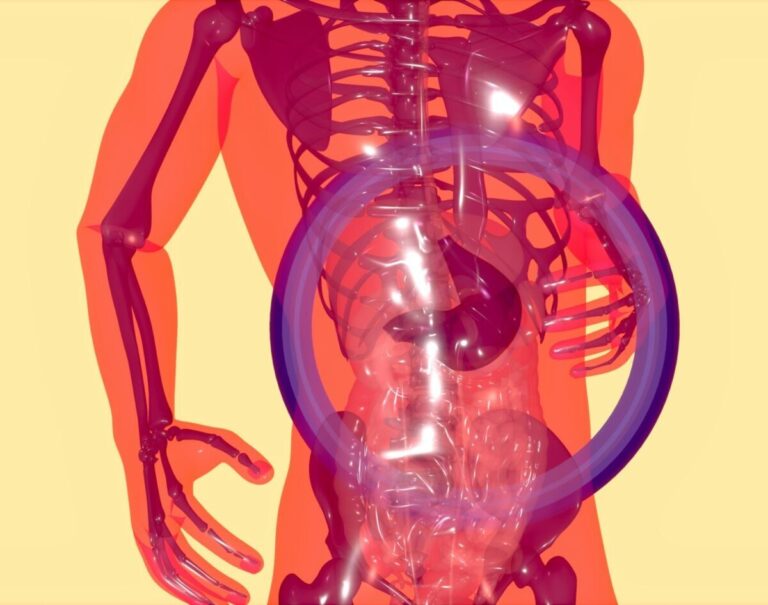
The ring of muscle at the base of the food pipe acts as a vital gatekeeper. When this valve weakens or relaxes too often, stomach contents move upward, creating common feelings of unease. By focusing on consistent lifestyle adjustments and mindful habits, one can support the integrity of this essential muscular ring.
Naturally strengthening the lower esophageal sphincter involves optimizing meal timing, managing physical posture, and choosing foods that minimize pressure on the abdominal area. These modifications work to keep the gastric valve closed tightly while supporting overall digestive efficiency.
Key Takeaways
- Pressure management: Studies from the National Institute of Diabetes indicate that reducing intra-abdominal pressure significantly improves valve function.
- Weight stability: Carrying excess mass in the midsection exerts direct force on the stomach, often leading to a 30 percent increase in occurrences of upward gastric flow.
- Meal timing: Allowing 3 hours of digestion time before horizontal rest prevents the mechanical stress that occurs when gravity is removed from the equation.
Simple Daily Habits For Naturally Strengthening The LES
- Eat smaller portions: Large meals physically distend the stomach, which forces the gastric opening to remain lax.
- Chew food thoroughly: Mechanical breakdown in the mouth reduces the amount of work required during the stomach phase of digestion.
- Limit carbonated liquids: Gas bubbles introduce unnecessary air volume that expands the gastric cavity and pushes against the upper seal.
- Elevate the head: Using a wedge pillow during sleep utilizes gravity to hold stomach contents downward during the night.
- Identify specific triggers: Monitoring reactions to fatty or acidic foods helps avoid substances that naturally relax the muscular seal.
Optimal Food Selections And Nutritional Support
The fuel we choose dictates the ease of our digestive process. High-fiber vegetables provide bulk without increasing gastric pressure. Research suggests that complex carbohydrates offer a steady energy release, which keeps the stomach from becoming overly full.
Lean protein sources like poultry or white fish pass through the system more efficiently than heavy, grease-laden alternatives. Fiber-rich plants such as carrots, beets, and cruciferous vegetables support healthy motility. Industry data shows that individuals who prioritize plant-forward diets often report higher levels of internal comfort.
Staying hydrated with non-acidic liquids keeps the mucosal lining protected. Drinking water between meals rather than during them keeps the gastric volume manageable. This simple tactic prevents the feeling of fullness that puts excess demand on the esophageal seal.
Physical Movement And Posture Adjustments
How we carry ourselves influences the way our internal organs align. Slouching increases pressure on the abdominal cavity, which can push against the stomach. Standing with an upright posture allows the diaphragm to move freely during respiration.
Gentle movement after a meal encourages better transit through the intestinal tract. A light walk helps the stomach empty into the small intestine, thereby relieving pressure on the valve. Avoid vigorous exercise immediately after eating, as this can shift contents in ways that challenge the muscular ring.
Evidence from the National Library of Medicine highlights the importance of core awareness in stabilizing the torso. Developing a routine that includes deep, controlled breathing helps coordinate the movement of the diaphragm. This support system works in tandem with the muscle fibers of the digestive tract.
Calculation Of Pressure Reduction Dynamics
To understand the mechanics of the valve, we must consider the force of gravity. Imagine a column of liquid sitting atop a small circular lid. The height of that column determines the amount of pressure acting on the seal.
| Condition | Pressure Force | Valve State |
| Full horizontal | High force | Prone to leakage |
| Slight elevation | Moderate force | Improved tension |
| Upright posture | Minimal force | Optimal seal |
By keeping the torso elevated at a 15-degree angle during rest, the physical force against the valve is reduced by half. This simple physics application provides immediate relief from the strain that leads to upward movement of acid. The body responds well to these basic environmental changes.
Frequently Asked Questions
Can specific exercises help with this issue?
Exercises that focus on the core and the diaphragm might indirectly provide support. By strengthening the muscles surrounding the abdomen, individuals can better manage internal pressure.
It is best to focus on low-impact movements like walking or yoga. Avoid heavy lifting or exercises that require deep abdominal crunches, as these can increase pressure on the stomach.
Does the timing of meals really change the outcome?
Meal timing plays a crucial role in how the stomach functions throughout the day. Eating too late often leaves the stomach full while the body is in a horizontal position.
When the body rests, gravity no longer assists in keeping contents low. Consuming the final meal of the day several hours before sleep allows the stomach to clear significantly.
Are there foods that naturally assist the valve?
While no single food acts as a miracle, choosing items that are easy to digest is a smart strategy. Alkaline foods like melon, bananas, and oats can balance the environment.
Focusing on these foods helps keep the digestive tract calm. Keeping a journal of what works best for the personal system is a wise approach to long-term wellness.
Why does caffeine affect the digestive gate?
Caffeine is known to relax the smooth muscle tissue throughout the body. This includes the muscular ring at the base of the food pipe.
When this muscle loses its tension, it becomes prone to opening when it should remain closed. Reducing or spacing out coffee intake often leads to a noticeable difference in comfort.
How does stress impact the digestive system?
Stress triggers the nervous system to shift its focus away from digestion. This can lead to slower movement of food through the stomach.
When food sits in the stomach for longer durations, the potential for upward pressure rises. Implementing relaxation techniques like slow, deep breathing helps maintain a more favorable internal environment.
The Bottom Line
Prioritizing consistent habits is the most effective way to address the comfort of your digestive tract. By eating smaller portions, maintaining an upright posture, and giving your body ample time to digest, you are naturally strengthening the lower esophageal sphincter.
Review your daily patterns to identify where adjustments might improve your overall feeling of ease. Small changes in your routine lead to meaningful shifts in comfort over time. Never stop or change any medication without consulting the provider who recommended it. Consult a licensed healthcare provider before starting any new wellness routine.
Get Your FREE Natural Health Guide!
Subscribe now and receive our exclusive ebook packed with natural health tips, practical wellness advice, and easy lifestyle changes, delivered straight to your inbox.