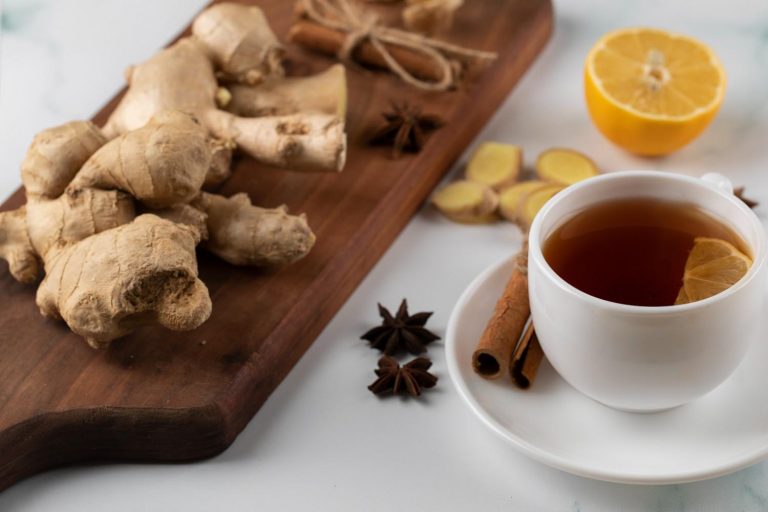

Digestive discomfort can significantly impact daily life, leading to feelings of bloating, gas, and even anxiety. Many individuals seek quick fixes, often relying on over-the-counter medications that may not address the root causes of their issues. Instead, natural remedies can offer a more holistic approach. Among these, ginger tea stands out as a powerful ally in promoting digestive health and detoxification.
This aromatic drink has been cherished for centuries for its myriad health benefits. Ginger, a staple in traditional medicine, is renowned for its ability to soothe the stomach, enhance digestion, and support the body’s natural detoxification processes. Integrating ginger tea into your daily routine can be a simple yet effective strategy for achieving digestive serenity.
Understanding how ginger tea works and how to incorporate it into your lifestyle can empower you to take control of your digestive health. This guide delves into the practical applications, common pitfalls to avoid, and the scientific evidence supporting ginger’s effectiveness in digestive detoxification.
By the end of this guide, you will not only appreciate the soothing qualities of ginger tea but also recognize its potential as a vital component of your wellness toolkit.
Contents
How to Use Ginger Infusion for Real Results
- Best Form: Fresh ginger root.
- Best Time: 30 minutes before meals.
- Expected Result: Enhanced digestion and reduced bloating.
For Daily Protection
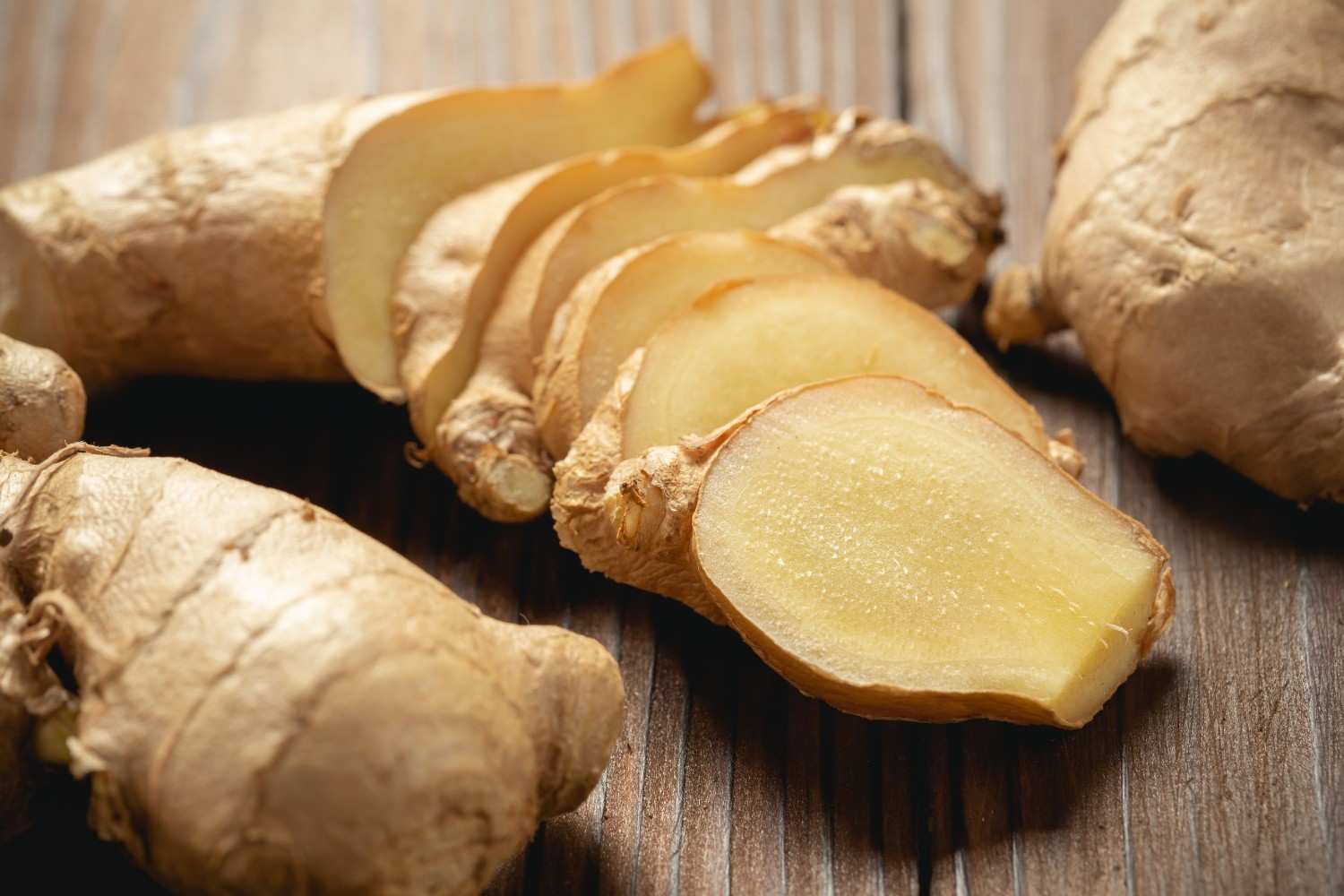
The Prep: Start with fresh ginger root, approximately one inch, peeled and sliced. You will also need two cups of water and a teaspoon of honey for taste, if desired. Gather a small pot and a fine mesh strainer for the brewing process.
The Action: Boil the two cups of water in the pot. Add the sliced ginger once boiling and reduce the heat to a simmer. Let it steep for about 10 to 15 minutes. After steeping, strain the tea into a cup, adding honey if you prefer a bit of sweetness. Drink this ginger infusion 30 minutes before your meals to prepare your digestive system.
The Feeling: As you sip the warm tea, you may experience a gentle warmth spreading through your body. The initial taste is spicy yet soothing, providing a comforting sensation that lingers pleasantly. This feeling can last for an hour or more, creating a sense of calm and readiness for digestion.
Pro Tip: Experiment with adding lemon for an extra boost of flavor and vitamin C.
Targeting Acute Discomfort
The Prep: For this use case, you will need about two inches of fresh ginger root, four cups of water, and a few slices of fresh lemon. You may also want a pinch of cayenne pepper for an added kick, which can enhance circulation and digestion.
The Action: Begin by boiling the four cups of water in a large pot. Add the sliced ginger and let it boil for about 20 minutes. Afterward, strain the mixture into a large mug or thermos. Add the lemon slices and a pinch of cayenne pepper to the tea. Drink this infusion slowly to allow your body to absorb the beneficial compounds.
The Feeling: Upon drinking, the heat from the tea may cause a delightful tingling sensation in your mouth and throat. The cayenne pepper adds an extra layer of warmth, making it feel invigorating. This comforting drink can help alleviate discomfort within minutes, leaving you feeling refreshed.
Pro Tip: Keep a thermos handy for on-the-go relief.
The Nighttime Routine
The Prep: Prepare one inch of fresh ginger and one cup of water. Optionally, you can add a few mint leaves for a refreshing twist. Gather a small saucepan and a cup for steeping.
The Action: Boil the cup of water in the saucepan. Once boiling, add the sliced ginger and mint leaves. Reduce the heat and let it simmer for about 10 minutes. Strain the tea into your cup and enjoy it about an hour before bedtime to promote relaxation.
The Feeling: As you sip this calming tea, the warmth will envelop you, creating a soothing effect. The mint adds a refreshing aftertaste, which can help clear the mind and prepare you for restful sleep. You may notice a gentle easing of tension in your stomach as well.
Pro Tip: Consider pairing this tea with a light bedtime snack to enhance its calming effects.
Common Pitfalls to Avoid When Using Ginger Tea
Using Low-Quality Ingredients
Quality matters when it comes to herbal remedies. Using low-quality ginger can diminish the health benefits you expect from your tea. In many cases, pre-packaged ginger teas may contain additives or lower concentrations of ginger than fresh root.
To ensure you receive the maximum benefit, always opt for organic, fresh ginger. This not only enhances flavor but also guarantees a higher concentration of beneficial compounds. Fresh ginger can be found at most grocery stores or farmers’ markets.
Ignoring Personal Tolerance
While ginger is generally safe for most people, some may experience side effects such as heartburn or digestive upset. Ignoring your body’s signals can lead to discomfort rather than relief. If you notice any adverse reactions, it is crucial to adjust the amount you consume.
Start with small doses, especially if you are new to ginger tea. Gradually increase the amount as you monitor how your body responds. This approach will help you find the right balance for your digestive comfort.
Overlooking Preparation Techniques
Many people underestimate the importance of preparation methods. Simply boiling ginger for a short period may not extract its full potential. Prolonged steeping is often necessary to release the beneficial compounds effectively.
Taking the time to simmer the ginger allows the beneficial oils and nutrients to infuse the water fully. A longer steeping time not only enhances flavor but also maximizes the health benefits you can gain from the tea.
The Biological Mechanism Behind Ginger’s Benefits
Ginger contains several bioactive compounds, including gingerol and shogaol, which play a crucial role in its effectiveness. These compounds have been shown to enhance digestive enzyme activity, facilitating the breakdown of food and improving nutrient absorption. This process can lead to a reduction in bloating and discomfort.
Additionally, ginger has anti-inflammatory properties that can alleviate digestive tract inflammation. By reducing inflammation, ginger may help improve overall digestive function and promote a healthier gut environment. This is particularly beneficial for individuals dealing with chronic digestive issues.
Clinical studies have demonstrated ginger’s efficacy in improving digestion and reducing nausea. For a comprehensive review of ginger’s effects, refer to this PubMed search. The research supports ginger’s role in promoting digestive health and its potential as a natural detoxifier.
Choosing the Right Ginger Product
- Potency: Look for products with high ginger concentrations to ensure you receive its full benefits.
- Purity: Select organic and non-GMO options to avoid harmful pesticides and additives.
- Form: Consider using fresh ginger root for maximum flavor and nutrient content, rather than powdered forms.
Benefits vs Risks
| The Benefits | Potential Downsides |
|---|---|
| Supports digestive health and detoxification. | May cause heartburn in sensitive individuals. |
| Rich in antioxidants that combat inflammation. | Excessive consumption can lead to digestive upset. |
| Easy to incorporate into daily routines. | May interact with certain medications. |
Habits to Enhance Effectiveness
Pairing ginger tea with a balanced diet rich in fiber can significantly enhance digestive health. Foods like fruits, vegetables, and whole grains work synergistically with the benefits of ginger.
Engaging in regular physical activity also promotes healthy digestion. Simple activities like walking after meals can further aid in the digestive process, allowing ginger’s effects to manifest more effectively.
Who Should Avoid This?
- Individuals with a history of gallstones.
- People on blood-thinning medications.
- Those with known allergies to ginger or related plants.
Common Questions
Can ginger tea help with nausea?
Yes, ginger tea is renowned for its ability to alleviate nausea, particularly in cases of motion sickness or morning sickness during pregnancy.
How often should I drink ginger tea?
For optimal benefits, consider consuming ginger tea 1 to 3 times daily, depending on your digestive needs.
Is it safe to drink ginger tea every day?
In moderation, ginger tea is generally safe for daily consumption. However, consult a healthcare professional if you have specific health concerns.
What is the best way to store fresh ginger?
Fresh ginger should be stored in a cool, dry place or in the refrigerator to maintain its freshness for longer periods.
Final Thoughts
Integrating ginger tea into your wellness routine can significantly enhance your digestive health and support detoxification.
- The Truth: While ginger tea offers numerous benefits, it is not a cure-all.
- The Strategy: Consume ginger tea regularly, especially before meals, for best results.
- The Next Step: Incorporate fiber-rich foods into your diet to complement the effects of ginger.
Get Your FREE Natural Health Guide!
Subscribe now and receive our exclusive ebook packed with natural health tips, practical wellness advice, and easy lifestyle changes, delivered straight to your inbox.