
When I first discovered herbal teas, it was during a particularly stressful period in my life. I was juggling work, family, and a million other commitments. One evening, I stumbled upon a box of chamomile tea tucked away in my kitchen cupboard. As I brewed that first cup, the warm aroma enveloped me, and for a moment, I felt a wave of calm wash over me. Little did I know, this simple act would lead me on a journey into the world of gut-soothing herbal teas.

Herbal teas have been used for centuries across various cultures as remedies for various ailments, particularly digestive issues. According to the World Health Organization, approximately 70% of the world’s population relies on herbal medicine for primary health care. In this article, we’ll explore the benefits of gut-soothing herbal teas, delve into some popular options, and share practical tips on how to incorporate them into your routine.
Contents
Understanding Gut Health
The Importance of Gut Health
Your gut is often referred to as your “second brain,” and for good reason. It plays a crucial role in digestion, nutrient absorption, immune function, and even mental health. An imbalance in gut health can lead to various issues, including bloating, constipation, and even anxiety.
Research from the National Institutes of Health (NIH) highlights that a healthy gut microbiome can impact everything from mood to chronic diseases. Therefore, maintaining gut health should be a priority for everyone.
Common Digestive Issues
We’ve all experienced digestive discomfort at some point. Whether it’s due to stress, poor diet, or underlying health conditions, common issues include:
- Bloating: Often a result of gas buildup, it can be uncomfortable and embarrassing.
- Constipation: This can stem from a lack of fiber in the diet or dehydration.
- Indigestion: Often characterized by discomfort in the upper abdomen, it can be triggered by overeating or consuming rich foods.
Herbal teas can play a supportive role in alleviating these issues. They can provide a sense of comfort while potentially aiding digestion.
Popular Gut-Soothing Herbal Teas
1. Peppermint Tea
Peppermint tea is one of the most popular herbal remedies for digestive issues. The menthol in peppermint has a calming effect on the muscles of the gastrointestinal tract, which can help relieve bloating and discomfort.
Practical Application
I remember the first time I tried peppermint tea after a heavy meal. It was a revelation! Just a cup of this refreshing tea seemed to ease the discomfort almost instantly.
Cautionary Note
While peppermint tea can be beneficial, it may not be suitable for those with gastroesophageal reflux disease (GERD) as it can exacerbate symptoms. Always consider your individual health needs.
2. Ginger Tea
Ginger has long been celebrated for its anti-inflammatory properties and ability to soothe digestive woes. Studies have shown that ginger can help reduce nausea and improve digestion.
Real-Life Example
A friend of mine swears by ginger tea whenever she feels queasy. She keeps a stash of ginger root in her kitchen and often brews a fresh cup when she’s feeling under the weather.
Common Mistake
A common mistake is to brew ginger tea too weakly. For optimal benefits, use fresh ginger and let it steep for at least 10 minutes.
3. Chamomile Tea
Chamomile tea is renowned for its calming effects, but it also offers digestive benefits. It can help reduce bloating, ease indigestion, and promote relaxation, making it a great choice before bed.
Personal Reflection
I often reach for chamomile tea in the evenings, especially after a hectic day. There’s something soothing about its floral notes that signals my body to unwind.
Caution
While chamomile is generally safe, those with allergies to plants in the daisy family should avoid it.
4. Fennel Tea
Fennel seeds have been used for centuries to relieve digestive discomfort. Fennel tea can help reduce bloating and gas, making it a great option after meals.
Practical Tip
To make fennel tea, simply steep crushed fennel seeds in hot water for about 10 minutes. The flavor is slightly sweet and aromatic, offering a delightful sipping experience.
Caveat
People taking certain medications, particularly those affecting hormone levels, should consult a healthcare provider before consuming fennel tea regularly.
5. Licorice Root Tea
Licorice root is another powerhouse for gut health. It can help soothe the gastrointestinal tract and reduce inflammation, making it beneficial for those with ulcers or gastritis.
Anecdotal Evidence
I once tried licorice root tea during a particularly stressful period, and I found it surprisingly sweet and comforting. However, I learned that it should be consumed in moderation due to potential effects on blood pressure.
Important Note
Licorice root can interact with certain medications, so it’s essential to discuss its use with a healthcare professional.
Brewing the Perfect Cup
Step-by-Step Guide
-
Choose Your Tea: Select one of the herbs mentioned above based on your specific needs.
-
Measure Your Ingredients: For loose leaf teas, use about one teaspoon per cup. For tea bags, one bag per cup works well.
-
Boil Water: Heat water to just below boiling point (around 200°F or 93°C) to preserve the flavor and benefits of the herbs.
-
Steep: Pour the hot water over the herbs and steep for the recommended time (usually 5-10 minutes).
-
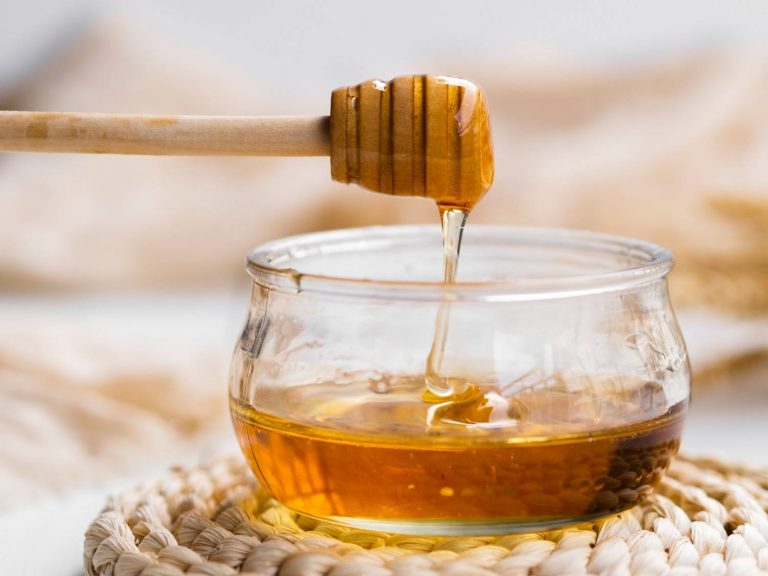
Strain and Enjoy: If using loose herbs, strain the tea before sipping. You can add honey or lemon for extra flavor, but it’s optional.
Personal Tip
I’ve often experimented with blending different herbs. For instance, combining ginger and lemon can create a refreshing digestive aid that’s both soothing and invigorating.
Cultural Context
Herbal teas have deep roots in various cultures. In Traditional Chinese Medicine, for example, different herbs are prescribed based on an individual’s constitution and current health status. Similarly, Ayurvedic practices emphasize the use of herbs to balance the body’s doshas.
Observational Note
While herbal teas are widely accepted as beneficial, the science behind them can be mixed. Some studies support their use, while others show limited evidence. This highlights the importance of personal experience and open-mindedness when exploring herbal remedies.
Addressing Skepticism
Common Myths vs. Facts
Myth: Herbal teas are a cure-all for digestive issues.
Fact: While they can provide relief, they are not a substitute for medical treatment.
Myth: All herbal teas are safe for everyone.
Fact: Some herbs can interact with medications or may not be suitable for certain individuals.
Encouraging Critical Thinking
As someone who has spent years researching natural health remedies, I encourage readers to approach herbal teas with curiosity but also caution. It’s essential to listen to your body and consult healthcare professionals when necessary.
FAQs
1. Can herbal teas replace medical treatment for digestive issues?
Herbal teas can complement medical treatment but should not replace it. Always consult a healthcare provider for serious digestive concerns.
2. Are there any side effects associated with herbal teas?
While many herbal teas are safe, some can interact with medications or cause allergic reactions. Always check with a healthcare professional if unsure.
3. How often should I drink herbal teas for digestive health?
Moderation is key. Drinking 1-3 cups of herbal tea daily can be beneficial, but individual needs vary.
4. Can I combine different herbal teas?
Yes! Many people enjoy blending herbs for flavor and added benefits. Just be cautious about potential interactions.
5. Where can I find high-quality herbal teas?
Look for reputable brands that source organic herbs. Health food stores and specialty tea shops often have a good selection.
Conclusion
The journey into the world of gut-soothing herbal teas is as much about personal exploration as it is about health. Each cup offers comfort, a moment of tranquility amid life’s chaos, and the potential to ease digestive woes. I’ve come to appreciate the ritual of brewing a cup of tea, taking a moment to inhale its aroma, and savoring its warmth.
Herbal teas may not be a panacea, but they can certainly be part of a holistic approach to health. As we continue to explore the intersection of ancient wisdom and modern science, let’s remain curious about how these natural remedies can enhance our well-being.
Medical Disclaimer: This article is for educational purposes only and does not replace professional medical guidance. Always speak with a qualified healthcare provider before making changes to your health routine.
References
- National Institutes of Health. (2020). The role of the gut microbiome in health and disease. NIH
- Harvard Health Publishing. (2021). The benefits of herbal teas. Harvard
- Cleveland Clinic. (2022). Herbal remedies: What you need to know. Cleveland Clinic
Get Your FREE Natural Health Guide!
Subscribe now and receive our exclusive ebook packed with natural health tips, practical wellness advice, and easy lifestyle changes, delivered straight to your inbox.