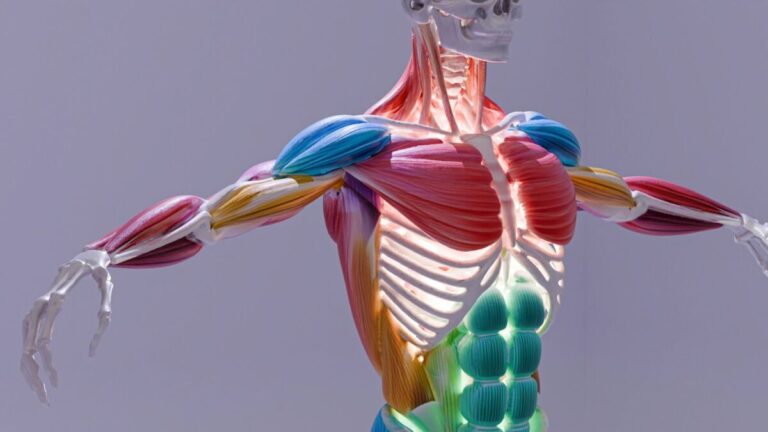
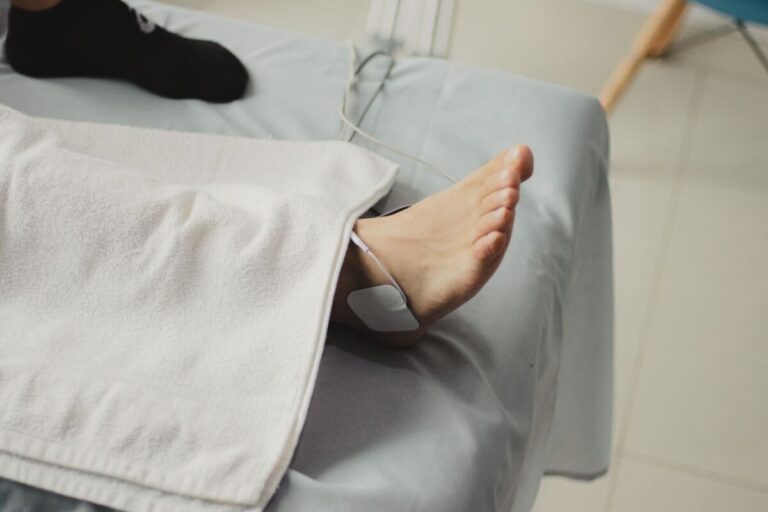
Stretching for Muscle Length: A Guide to Better Flexibility
I feel the tight restriction in my calves and hamstrings after a long afternoon spent at my desk. Many of us ignore the subtle pull in our connective tissue until movement becomes cumbersome or stiff. Prioritizing consistent lengthening sessions can shift how our bodies carry weight throughout the day.
Movement quality often hinges on the range of motion available at each joint. Static holding patterns allow nervous system regulation to dampen the signal that tells a muscle to remain tense. These small adjustments build a foundation for fluid motion that lasts well past the initial session.
Stretching for muscle length involves holding a position that elongates fibers to improve joint mobility and reduce tension. Research from the National Institutes of Health shows that regular elongation helps maintain functional range of motion in aging populations. Effective habits require consistency and gentle pressure rather than aggressive force.
Key Takeaways
- Regular elongation protocols improve functional reach by an average of 10 to 20 percent over twelve weeks.
- Healthy connective tissue maintains elasticity when internal temperatures rise by even two degrees during physical activity.
- The nervous system typically begins to permit further range of motion after 30 seconds of sustained, light tension.
Physiological Responses To Consistent Lengthening
Our bodies operate under a safety system that monitors how far we pull on our fibers. When we hold a position, the nervous system assesses whether the intensity is safe for the joints. If we approach the tension with calm breaths, the system lowers its resistance.
This process relies on the sensory organs located within the tendons. These organs signal the brain to allow the fibers to relax into a new position. Over time, the brain learns that this range is safe to inhabit.
Fluidity in the body requires a balance between engagement and release. Focusing only on tightening muscles leaves the system rigid. Incorporating deliberate elongation balances the workload and supports recovery.
The Mechanics Of Tissue Plasticity
Connective tissue behaves like a viscous fluid that reacts to heat and sustained pressure. Just as honey flows easier when warmed, our muscles respond to gentle heat generated by movement. Preparing the body with light activity before a session is essential.
Research from the U.S. National Library of Medicine highlights how warming up prepares structural proteins for physical change. Cold tissue is more prone to small tears if pushed too quickly. Always prioritize a light sweat before attempting to reach deeper angles.
| Protocol Type | Ideal Duration | Primary Outcome |
| Dynamic Warmup | Five Minutes | Increased Flow |
| Static Hold | Thirty Seconds | Tissue Adaptation |
| Post Activity | Ten Minutes | System Calming |
Building A Daily Lengthening Protocol
Structuring a routine helps create the consistency required for lasting results. Focus on major areas like the hips, lower back, and shoulders. Small daily investments yield higher dividends than sporadic, intense sessions.
- Hip Opener: Place one foot forward and lower the back knee to the floor while keeping the torso upright.
- Chest Release: Find a door frame and place forearms against it, then gently step forward to open the front of the shoulders.
- Hamstring Ease: Sit on the floor with one leg extended and keep the back flat while leaning forward from the hips.
Scientific Foundations Of Mobility
The study of how our bodies adapt to physical demands is a cornerstone of modern wellness. According to data from the Centers for Disease Control and Prevention, maintaining physical capability supports independent living throughout our lives. Developing better mobility is not about becoming a gymnast. It is about removing the obstacles that prevent us from moving with ease.
Many individuals find that their daily environment dictates their movement patterns. If we sit all day, our front side adapts to that shortened position. We must dedicate time to reverse these postural biases regularly.
Common Pitfalls In Mobility Training
Many people mistake discomfort for progress and push too hard. Pain is a signal that the system is not ready for the requested range of motion. Always listen to these cues to avoid setback.
- Overly Aggressive Pushing: Forcing a limb into a position usually triggers a protective reflex that causes muscles to tighten rather than release.
- Holding Breath: Breath is a signal of safety to the brain, so holding it during a stretch inhibits the relaxation response.
- Ignoring Symmetry: Focusing on one side of the body can lead to imbalances that eventually affect overall alignment and gait.
Calculations For Optimal Session Success
Success in mobility depends on managing the variables of frequency and intensity. Use this simple calculation to track your weekly progress. If you spend five minutes per day on targeted areas, you achieve thirty-five minutes of total time weekly.
Divide your total weekly duration by seven to ensure you hit at least five minutes daily. A consistent five-minute daily habit creates more structural change than one hour of work on a Sunday. Prioritize the daily, short exposure over long, infrequent sessions.
Frequently Asked Questions
How long does it take to see progress?
Most individuals start noticing a sense of ease within two to three weeks of consistent daily practice. The internal adaptations of the nervous system happen quickly, even if the physical structure takes longer to shift.
Tracking progress via simple bench marks like reaching toward the toes or rotating the shoulders helps maintain motivation. Consistency is the primary factor that determines the rate of improvement for any individual.
Can I lengthen my muscles while working at a desk?
Taking frequent breaks to stand and reach upward significantly reduces the impact of prolonged sitting. Simply moving the joints through their full range of motion prevents the accumulation of stiffness throughout the afternoon.
Setting a reminder to move every hour encourages better tissue health without requiring a dedicated gym environment. Use this time to perform slow, deliberate movements that wake up the legs and spine.
Is it better to work on mobility before or after a workout?
Dynamic movements are superior before exercise to warm up the tissue and prepare the joints for activity. Static holds are more effective after the muscles are warm and have reached a state of relative fatigue.
Never perform deep, static holds on cold muscles before beginning an intense routine. Focus on movement first and save the deep work for when the body is already warm and pliable.
Do I need specialized equipment to improve?
Very little equipment is necessary to achieve significant results in your range of motion. A simple mat or even a flat section of floor is enough to support your body weight during most movements.
Using props like straps or blocks helps maintain proper alignment if your current mobility makes reaching the floor difficult. These tools serve as extensions of your reach rather than replacements for effort.
What if I feel sharp pain during a session?
Sharp or stinging pain is a definitive signal to back off immediately. Never attempt to work through this sensation as it may indicate that the connective tissue or joint capsule is under extreme stress.
Ease the position until you feel only a mild pull or the sensation of tension. Deepening a movement should always feel like a gentle invitation for the tissue to relax, never a demand.
The Bottom Line
Stretching for muscle length is an accessible tool for anyone looking to move with more comfort and ease. By focusing on consistent, gentle, and intentional sessions, you provide your body the signal it needs to adapt safely.
Maintain this habit by choosing a time of day that fits your schedule naturally. Never stop or change any medication without consulting the provider who recommended it. Consult a licensed healthcare provider before starting any new wellness routine.
Get Your FREE Natural Health Guide!
Subscribe now and receive our exclusive ebook packed with natural health tips, practical wellness advice, and easy lifestyle changes, delivered straight to your inbox.