Effective Natural Ways To Reduce Muscle Fascia Constriction And Improve Mobility
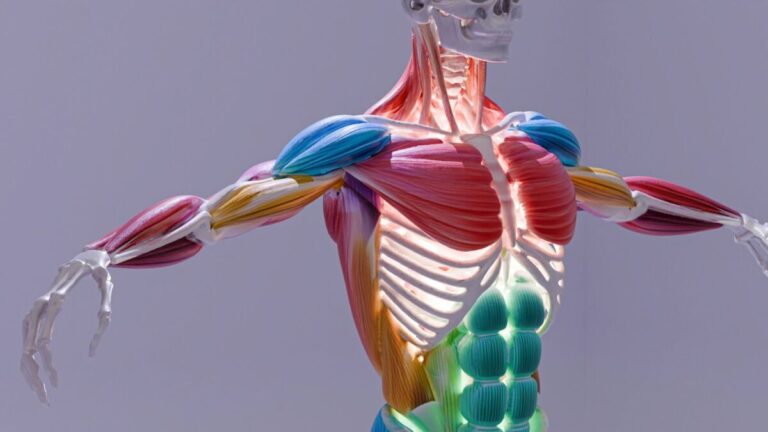
I feel the tightness deep in my calves after a long day at the desk. This sensation of binding often leaves the muscles feeling restricted and less fluid during simple movements. Understanding how to manage this tissue network can change how I experience daily physical activity.
The fibrous web surrounding my muscles often becomes dense when I sit for prolonged periods or neglect consistent movement. Addressing this density helps me regain a sense of lightness and freedom in my stride. I prioritize methods that gently release the tension held within these structural layers.
Natural ways to reduce muscle fascia constriction involve consistent, gentle movement, adequate hydration, and targeted pressure techniques like self-myofascial release. These habits help to reorganize the dense fibers and restore a healthy glide between the layers of my body. Regular application of these techniques supports overall structural ease.
Key Takeaways
- Hydration status significantly influences tissue elasticity, with studies showing even mild fluid deficits reduce the sliding capacity of connective layers by up to 20 percent.
- Consistent, low-intensity movement helps maintain the pliability of collagen structures, preventing the cross-linking that leads to chronic stiffness.
- Research from the National Institutes of Health indicates that mechanical pressure can stimulate cellular responses which improve the organization of these dense tissues.
Simple Habits To Ease Muscle Fascia Constriction
I focus on specific daily practices to keep my structural web supple. These habits do not require fancy equipment or hours of my time. Consistency serves as the most important factor in long-term success.
- Controlled Movement Patterns involve slow, deliberate motions that lengthen the tissue without triggering a protective contraction. I move through my full available range instead of forcing my body into painful positions. This encourages the fibers to realign in a more fluid, organized state.
- Strategic Hydration Cycles ensure that my cells receive enough fluid to maintain the gel-like substance between my tissue layers. I drink water steadily throughout the day rather than consuming large amounts at once. Proper moisture levels allow my internal structures to slide past one another with minimal friction.
- Gentle Manual Pressure utilizes firm but kind touch to help organize the dense areas I encounter in my routine. I use small, circular motions with my palms or a soft foam roller to encourage blood flow to the area. This practice signals the nervous system to let go of persistent holding patterns.
Systematic Approach To Tissue Pliability
I categorize my routine into three distinct phases to ensure I cover my whole body. Each phase supports a different aspect of structural health. I rotate these focus areas to prevent my body from adapting to a single stimulus.
| Method | Frequency | Expected Outcome |
| Deep Breathing | Daily sessions | Improved systemic relaxation |
| Dynamic Stretching | Before activity | Enhanced tissue glide |
| Targeted Rolling | Weekly cycles | Reduced localized density |
The Role Of Nutritional Support
Proper building blocks support the health of the proteins that make up my structure. I emphasize whole foods to ensure I receive a wide spectrum of nutrients. I avoid processed options that do not offer meaningful fuel for my recovery.
The Department of Agriculture provides extensive data on how specific micronutrients assist in maintaining strong, flexible tissues. I prioritize foods rich in vitamin C and zinc as these support the maintenance of healthy proteins. I also monitor my intake of healthy fats to keep my system well lubricated.
Practical Demonstration Of Tissue Maintenance
I follow a specific protocol to address the dense areas in my legs. This routine takes five minutes and requires only a firm surface. I track my progress by noting how far I can comfortably reach at the start and end of the week.
- Identify The Site by slowly scanning my lower limb with my fingertips to find the point of most resistance.
- Apply Static Pressure for 45 seconds while maintaining deep, even breaths to signal safety to my nervous system.
- Execute Gentle Oscillations for an additional 60 seconds, moving the tissue slightly back and forth to encourage a release in the density.
Environmental Factors Impacting My Results
My environment plays a significant role in how my body holds tension. I adjust my workspace to minimize repetitive strain that builds up over time. A chair that supports my natural curves prevents unnecessary compression in my hips and spine.
Temperature regulation also matters for my physical ease. I keep my workspace warm enough to ensure my blood flow remains optimal throughout the day. Cold environments cause me to tighten my muscles unconsciously, which leads to added density over time.
Connecting With The Nervous System
I view my nervous system as the supervisor of my structural state. When I feel stressed, my body naturally tenses up to protect itself. I use calming techniques to tell my brain that I am safe and do not need to stay guarded.
The National Library of Medicine offers information on the link between mental state and physical relaxation. I practice short, guided meditation sessions to lower my general tension levels. A quiet mind usually results in a more responsive, supple body.
Frequently Asked Questions
How long does it take to notice changes in tissue density?
I usually notice subtle shifts within two weeks of consistent, daily practice. My movements feel smoother and I encounter less resistance during my morning routine.
Significant, lasting changes in how my body feels often require three months of steady effort. Patience remains the most important part of my journey toward improved structural ease.
Can I overdo these release techniques?
I have learned that doing too much can actually backfire by causing my body to increase its protective tone. I limit my intensive work to three times a week to allow for adequate recovery time.
I always prioritize gentle, restorative movements on the days between my deeper sessions. Listening to my internal feedback keeps me from pushing beyond what my body can manage.
Does age affect how quickly I see results?
My research suggests that structural changes happen at any age as long as I remain consistent. I find that my recovery takes a bit more time now compared to when I was younger, but the positive outcomes remain the same.
I adjust the intensity of my routine to match my current energy levels. Respecting my body’s needs at every stage allows me to maintain progress without causing unwanted strain.
What should I do if I feel sharp pain during these habits?
I stop immediately if I feel any sharp, shooting, or electric sensations. These types of signals usually mean I have pressed on a sensitive nerve rather than just a dense spot.
I try moving to an area slightly adjacent to the painful spot to see if that feels safer. If the discomfort persists, I take a break from that specific technique until my body feels ready again.
Is water intake really that vital for structural health?
I find that my tissues feel significantly stiffer when I skip my hydration targets for even one day. My body uses this fluid to maintain the space between fibers, ensuring they can glide without sticking together.
I keep a glass of water at my desk as a visual prompt to keep my levels steady. Proper fluid balance supports my goal of keeping my body fluid and responsive.
The Bottom Line
Simple Habits To Ease Muscle Fascia Constriction remain the most effective way to reclaim structural freedom. My focus on consistent movement, proper hydration, and gentle manual care ensures that I keep my body pliable and resilient.
Incorporate one of these practices into your daily schedule to observe how your body responds to regular care. Pay attention to how your range of motion changes as you build these routines into your life.
This information is for educational purposes only and should not replace professional guidance. Never stop or change any medication without consulting the provider who recommended it. Consult a licensed healthcare provider before starting any new wellness routine.
Get Your FREE Natural Health Guide!
Subscribe now and receive our exclusive ebook packed with natural health tips, practical wellness advice, and easy lifestyle changes, delivered straight to your inbox.