

Natural Ways To Increase Bioavailable Leucine For The Elderly And Support Muscle Integrity
I observe many people in my community noticing a shift in physical vigor as they cross the threshold into their later years. Maintaining muscle mass often feels like a constant battle against natural physiological shifts that occur during the aging process. Prioritizing specific amino acid intake becomes a vital strategy for supporting independence and daily mobility.
Leucine acts as a primary trigger for muscle protein synthesis, yet the body becomes less efficient at utilizing it over time. Strategies focused on concentrated food sources and meal timing offer a practical approach for those looking to maintain their physical foundation. Understanding how to organize dietary choices can make a significant difference in long-term wellness.
Natural ways to increase bioavailable leucine for the elderly involve consuming high-quality animal or plant-based proteins distributed evenly across three main meals rather than one large portion. Focusing on leucine-rich foods such as whey, lean beef, or soy allows the body to reach the necessary threshold to stimulate muscle repair throughout the day. Consistent intake supports the metabolic demands of aging tissues effectively.
Key Takeaways
- Clinical data suggests that older adults require approximately 2.5 to 3 grams of leucine per meal to initiate muscle repair.
- Research from the National Institutes of Health indicates that higher protein distribution preserves lean mass better than skewed intake.
- Protein turnover rates decrease with age, making the specific amino acid profile of a meal more important than total daily volume.
Strategic Protein Distribution For Sustained Muscle Maintenance
Muscle tissues require a steady supply of nutrients to prevent atrophy. Many individuals focus solely on total daily intake, but the timing of these nutrients matters just as much. The body responds best when it receives consistent signals to build and repair.
Distributing protein portions evenly across the day creates a better internal environment for muscle preservation. This approach prevents the long periods of fasting that lead to muscle breakdown between meals. Planning a protein-forward breakfast, lunch, and dinner sets the stage for success.
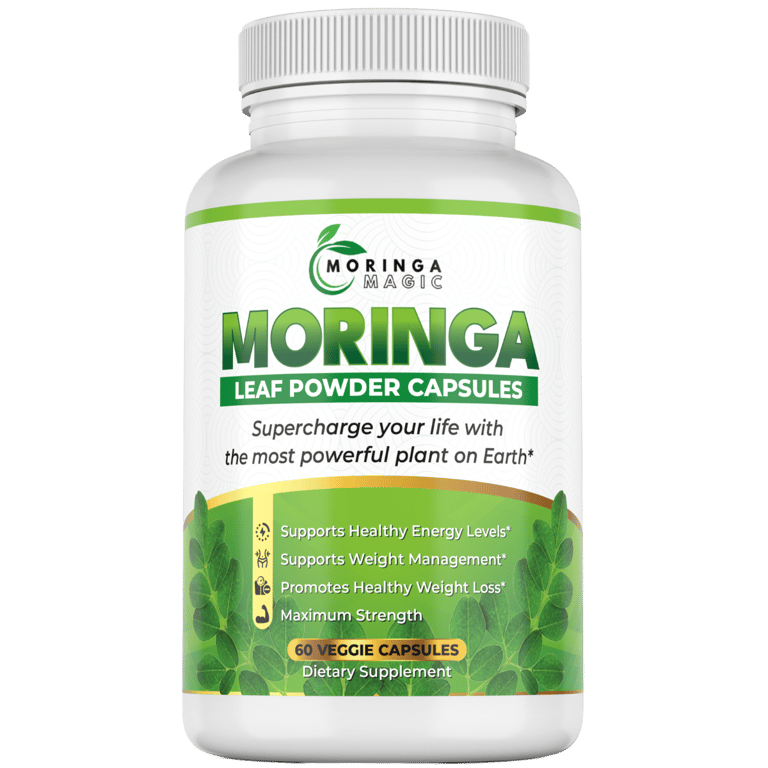
Moringa Magic™ Plant-Based Routine
- Highly bioavailable, plant-based routine designed to provide foundational nutritional support
- Helps your body optimize daily nutrient absorption and address hidden nutrient gaps
- Manufactured in a cGMP-compliant, FDA-registered facility without heavy stimulants
Each meal should contain at least 25 to 30 grams of high-quality protein to ensure the leucine content hits the needed range. This practice provides a steady stream of building blocks for the body. Small adjustments to daily habits provide meaningful benefits over time.
Optimal Food Selections For Amino Acid Density
Not all protein sources provide the same concentration of this essential branch-chain amino acid. Animal-derived options generally offer higher density per serving compared to vegetable sources. Integrating these foods regularly helps reach intake goals without relying on powders or pills.
The following list outlines common options known for their high leucine content per 100 grams of edible portion:
- Whey protein serves as the gold standard for rapid delivery and density.
- Lean beef provides substantial amounts alongside critical minerals like iron and zinc.
- Parmesan cheese acts as an excellent, calorie-dense way to add flavor and amino acids to meals.
- Soybeans function as a robust plant-based option for those seeking varied protein sources.
- Chicken breast offers a lean, versatile base for most lunch or dinner menus.
Evidence Based Comparison Of Protein Quality
| Source | Protein Efficiency | Leucine Concentration |
| Whey Isolate | High | Very High |
| Beef | High | High |
| Lentils | Moderate | Low |
The Role Of Digestive Support And Nutrient Absorption
Efficiently processing amino acids depends on the health of the digestive system. Aging can affect the secretion of digestive enzymes, which may hinder the breakdown of complex proteins. Ensuring proper hydration and fiber intake supports a more functional gut environment.
The Department of Agriculture highlights the importance of nutrient-dense choices for aging populations. Focusing on easily digestible proteins helps bypass potential bottlenecks in absorption. Mild exercise before meals can also improve metabolic throughput.
Consistency matters more than perfection when managing digestive health. Small portions that the body handles well are better than large amounts that cause discomfort. Paying attention to how the body reacts to specific foods provides the best feedback.
Calculating Your Daily Requirements
Determining the right amount of protein requires a look at individual activity levels. A simple formula helps ground the planning process in reality. Most experts suggest a range of 1.2 to 1.5 grams of protein per kilogram of body weight for healthy aging.
Consider a 70 kilogram individual who aims for 1.2 grams per kilogram. This person needs roughly 84 grams of total protein per day. Dividing this by three meals gives 28 grams per sitting, which aligns well with leucine requirements.
Keep a simple food journal for one week to track these numbers. Adjust the portion sizes of lean meats or plant-based proteins until the daily goal becomes habitual. Precision in the beginning leads to intuitive eating later.
Synergy Between Resistance Training And Nutrient Intake
Nutrients work best when paired with physical movement. Muscle tissues need a mechanical stimulus to initiate the repair process signaled by leucine. Light resistance movements effectively prime the body to utilize the amino acids consumed at meals.
Resistance bands or bodyweight movements offer safe ways to apply this stimulus. Research from the Centers for Disease Control supports the inclusion of strength-based activities for older adults. Even fifteen minutes of consistent effort per day makes a difference in metabolic response.
Avoid the trap of thinking that diet alone will maintain mass. The combination of targeted intake and physical stress creates the signal needed for growth. This dual approach maximizes the return on dietary investment.
Frequently Asked Questions
Does the body store protein for later use?
The body does not maintain a large reservoir of amino acids for muscle repair in the same way it stores fat. Muscles undergo constant turnover, meaning they require a regular influx of building blocks to maintain their structure. This is why distributing protein throughout the day is more effective than consuming a single large dose.
Without regular intake, the body may begin to draw from existing muscle mass to support essential functions. Keeping a steady supply through consistent meal planning prevents this catabolic state. Regular consumption serves as a constant signal for maintenance.
Are plant-based sources sufficient for meeting these needs?
Plant proteins can meet dietary requirements if one pays attention to total volume and variety. While many plant sources have a lower density of this specific amino acid compared to animal products, larger portion sizes or combining different sources can bridge the gap. Quinoa, soy, and hemp seeds offer decent profiles for those avoiding animal products.
Focusing on the total amino acid profile of the daily diet ensures that the body receives what it needs. Variety becomes the most important factor when relying on plants. Mixing legumes, grains, and seeds throughout the day provides a complete range of necessary building blocks.
How does hydration impact amino acid utilization?
Hydration levels play a quiet but significant role in overall metabolic function and the digestion of protein. Water acts as the medium through which nutrients travel to tissues and waste products exit the system. Dehydration can lead to fatigue and slower recovery after physical tasks.
Drinking water with meals supports the breakdown of food and helps the kidneys process the byproducts of protein metabolism. Staying hydrated keeps the internal systems running at capacity. Aim for consistent water intake throughout the day rather than drinking large amounts at once.
Can cooking methods affect the availability of amino acids?
High-heat cooking for extended periods can sometimes alter the structure of protein, making it slightly more difficult to digest. Methods like steaming, poaching, or slow-roasting preserve the integrity of the food better than charring. These gentler approaches keep the protein accessible to the body.
Preparing meals in a way that remains enjoyable ensures long-term adherence. Focus on methods that emphasize flavor without sacrificing quality. Gentle heat is often enough to prepare nutritious meals that provide excellent results.
When should I consult with a professional regarding my diet?
One should seek guidance if there are existing conditions related to kidney function or metabolic health. These conditions change the way the body processes protein, requiring a tailored approach that standard advice cannot address. A personalized plan is safer for anyone navigating complex health markers.
Never stop or change any medication without consulting the provider who recommended it. They can ensure that nutritional adjustments complement the current wellness plan. An expert perspective provides peace of mind while making meaningful lifestyle changes.
The Bottom Line
Better Muscle Health Through Natural Leucine Food Sources requires a strategic approach centered on meal distribution and protein quality. By focusing on whole food options that provide the right density of building blocks, individuals can support their physical integrity effectively. This process is about consistency rather than sudden shifts.
Start by identifying three protein-rich foods you enjoy and integrating them into every meal. Aim for a consistent distribution across your day to keep the body in a state of repair. Never stop or change any medication without consulting the provider who recommended it. Consult a licensed healthcare provider before starting any new wellness routine.
Get Your FREE Natural Health Guide!
Subscribe now and receive our exclusive ebook packed with natural health tips, practical wellness advice, and easy lifestyle changes, delivered straight to your inbox.