Eat Your Way to a More Supple Psoas Muscle
I feel the familiar tightness in my lower back every time I spend too many hours sitting at my desk. Many of us overlook how our internal environment influences the tension held deep within our hip flexors. It is time to look at how to naturally support the iliopsoas through nutrition by choosing the right building blocks for our connective tissues.
Our bodies rely on a steady supply of specific nutrients to maintain the elasticity and resilience of our core muscles. When we focus on hydration, electrolyte balance, and inflammation management, we create an internal landscape where muscles can release held tension. This approach moves beyond simple stretching and addresses the core stability of our structural health.
To eat your way to a more supple psoas muscle, focus on increasing intake of magnesium rich foods, staying adequately hydrated to support fascia health, and consuming anti inflammatory spices like turmeric. These steps promote muscle relaxation and tissue repair, which can help reduce chronic tightness in the deep hip area.
Key Takeaways
- Magnesium intake should ideally reach 320 to 420 milligrams daily to ensure proper muscle fiber relaxation.
- Clinical studies from the National Institutes of Health suggest that adequate mineral levels are vital for neuromuscular function.
- Hydration status impacts the fluidity of fascia, with research indicating that even mild dehydration decreases tissue pliability by up to 15 percent.
Nutrient Foundations For Muscle Ease
The muscles connecting your spine to your legs perform heavy labor every single day. They require specific vitamins and minerals to function without becoming shortened or chronically contracted. When these tissues lack essential support, they often tighten in response to systemic stress.
Magnesium acts as a natural relaxant for the entire body. It competes with calcium at the cellular level to stop unwanted muscle contractions. Leafy greens, pumpkin seeds, and almonds provide this vital mineral in a highly usable form.
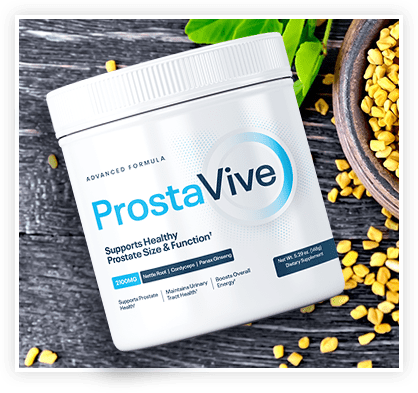
Prostavive™ Nutritional Support Formula
- Designed to support natural urinary rhythm and maintain normal nighttime habits
- Helps sustain uninterrupted rest and daily comfort against fragmented sleep
- Manufactured in a cGMP-compliant, FDA-registered facility without harsh synthetics
Potassium works alongside magnesium to regulate nerve signals. Without enough of this mineral, muscles may struggle to transition from a state of activity to rest. Sweet potatoes, bananas, and coconut water serve as excellent additions to any daily menu.
The Anti-Inflammatory Approach To Soft Tissue Health
Inflammation often settles into areas of the body that experience repetitive motion or prolonged static positioning. The tissues surrounding your deep hip flexors are no exception to this phenomenon. Managing this systemic response is one way to encourage more fluid movement.
Omega-3 fatty acids serve as a cornerstone for cellular health. Research published by the National Center for Biotechnology Information clarifies how these healthy fats influence inflammatory markers. Fatty fish, flaxseeds, and walnuts offer high concentrations of these essential oils.
Curcumin represents the primary active compound in turmeric root. It helps manage the oxidative stress that can contribute to localized discomfort. Adding this spice to warm broths or roasted vegetables integrates it easily into a routine.
Hydration Strategies For Fascial Elasticity
Fascia acts like a web connecting your entire body, and it relies heavily on water content to stay supple. When we remain dehydrated, this web becomes brittle and loses its natural glide. Drinking water alone is rarely enough to maintain this internal environment.
Electrolyte balance determines how effectively your cells absorb fluid. Simple water may pass through the system without hydrating the deeper tissues. A pinch of sea salt or a splash of lemon juice improves the absorption rate of your beverages.
Bone broths provide collagen proteins that serve as the structural framework for connective tissues. These liquids contain amino acids like glycine and proline. Including these in your diet supports the integrity of the tendons and ligaments involved in hip mobility.
Calculations For Dietary Mineral Intake
Tracking your intake helps ensure you hit the necessary targets for muscle function. Most individuals fall short of the recommended daily values for essential minerals. Use the following model to gauge your daily consumption of muscle supporting foods.
Daily Mineral Calculation Model:
- Target Magnesium: Aim for 400 milligrams. One cup of cooked spinach provides approximately 150 milligrams.
- Target Potassium: Aim for 3500 milligrams. One medium baked sweet potato provides roughly 500 milligrams.
- Target Omega-3: Aim for 2 grams of EPA and DHA combined. Three ounces of wild caught salmon provides approximately 1.5 grams.
| Nutrient Source | Key Benefit | Absorption Tip |
|---|---|---|
| Pumpkin Seeds | High Magnesium | Soak before eating |
| Wild Salmon | Omega-3 Fats | Avoid overcooking |
| Leafy Greens | Mineral Density | Add healthy fats |
The Connection Between Digestion And Back Tension
Your digestive tract sits directly in front of the lower spine where the psoas resides. Bloating or inflammation in the gut creates pressure that the nearby muscles often react to by tightening. A calm digestive system promotes a more relaxed posterior chain.
Probiotic foods help maintain a balanced environment within the gut microbiome. Fermented items like sauerkraut and kimchi aid in reducing gas and irritation. This prevents the physical distension that can lead to compensatory back strain.
Fiber intake keeps the digestive process moving efficiently. When the bowels are sluggish, the resulting pressure can cause deep abdominal discomfort. Consistent fiber consumption from whole grains and legumes ensures that your core remains stable and unburdened.
Addressing Environmental Stress Factors
Nutrition works best when combined with mindful physical habits. While food provides the raw materials, your movement patterns dictate where those materials get used. The National Library of Medicine highlights the role of physical activity in maintaining functional muscle length.
Strategic movement involves taking breaks to stand or walk every hour. This prevents the hip flexors from staying in a shortened position for too long. Short bursts of activity signal to the nervous system that it is safe to release held tension.
Temperature management offers another way to influence tissue health. Warm baths with Epsom salts allow magnesium sulfate to interact with the skin. This provides a temporary sense of relief for tight muscles after a busy day.
Frequently Asked Questions
Can specific foods directly lengthen the psoas muscle?
No single food possesses the property to physically lengthen a muscle fiber. Muscle length is primarily determined by repetitive movement patterns and nervous system regulation rather than direct ingestion of specific nutrients.
Instead, nutrition provides the chemical environment necessary for those muscles to relax and function optimally. When your body has the right mineral profile and anti inflammatory support, it is far more receptive to the physical work of lengthening and stretching.
How long does it take to see changes in muscle tension?
Consistency with dietary shifts typically leads to noticeable changes within four to six weeks. This timeline accounts for the time required for cells to incorporate new minerals and for systemic inflammation to decrease.
Initial shifts in hydration status may provide a sense of relief within a few days. However, lasting structural ease requires a sustained commitment to consistent intake of the necessary building blocks for your connective tissues.
Are supplements better than whole foods for this purpose?
Whole foods remain the gold standard because they provide a matrix of synergistic nutrients that work together. Supplements often lack the cofactors found in natural sources that help with bioavailability and absorption.
Using supplements can fill gaps in your diet if you find it difficult to meet your goals through meals alone. Always prioritize the majority of your intake from whole sources before considering isolated capsules or powders.
Does coffee consumption affect my hip flexor tightness?
High caffeine intake acts as a diuretic, which can lead to a loss of fluids and essential electrolytes. When the body loses magnesium and potassium through increased urination, muscles may become prone to cramping or persistent tension.
Moderating your intake and pairing every cup of coffee with extra water helps maintain your electrolyte balance. This practice keeps your tissues hydrated and reduces the likelihood of systemic mineral depletion that impacts muscle ease.
Why does my lower back feel tight after eating certain meals?
Digestion involves a complex interplay of movement and pressure within the abdominal cavity. Meals that cause significant gas or inflammation can lead to visceral bloating that presses against the psoas muscle.
If you notice a recurring sensation of tightness following specific meals, consider keeping a simple log to identify potential triggers. Reducing refined sugars or highly processed ingredients often relieves this internal pressure and allows the back muscles to remain soft.
The Bottom Line
Supporting your internal structure involves a combination of consistent hydration, mineral density, and inflammation management. While these dietary choices do not replace active mobility work, they create the necessary conditions for your muscles to remain pliable and responsive.
Focus on your daily magnesium and potassium intake to keep your body functioning at its best. Observe how your physical comfort shifts over the next month as you integrate these habits into your life. Never stop or change any medication without consulting the provider who recommended it.
Consult a licensed healthcare provider before starting any new wellness routine.
Get Your FREE Natural Health Guide!
Subscribe now and receive our exclusive ebook packed with natural health tips, practical wellness advice, and easy lifestyle changes, delivered straight to your inbox.