Understanding The Nutritive Potential Of An Avocado Mask For Hair Damage
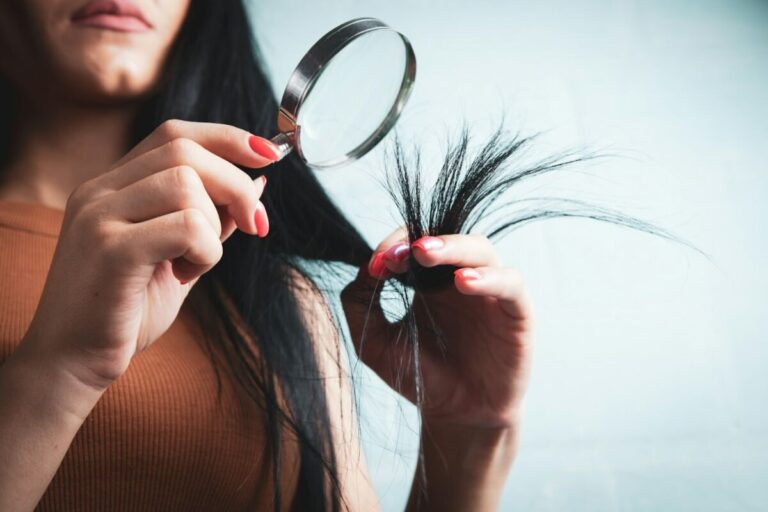
Most of us feel that familiar frustration when glancing in the mirror to see dull, brittle strands staring back. It feels like a constant battle to maintain natural shine when the environment and daily styling routines pull moisture away from every follicle. We search for simple ways to bring life back to our manes without relying on harsh chemicals or expensive salon visits.
My interest in botanical lipids stems from years of research into how natural fats influence keratin integrity. I spend my time examining how plant-based oils and fruit extracts provide structural support to the outer cuticle layer. It is fascinating to see how basic kitchen staples often outperform synthetic conditioners in laboratory settings.
An avocado mask for hair damage serves as a topical application of fatty acids and vitamins that hydrate parched strands. Applying this fruit paste directly to the scalp and lengths allows essential nutrients to coat the surface and seal in moisture. This process helps to soften coarse texture and improve overall manageability for many individuals.
Key Takeaways
- Avocados contain approximately 15 grams of monounsaturated fat per 100 grams, which assists in moisture retention for dry strands.
- Research from the National Institutes of Health indicates that topical botanical oils can effectively reduce protein loss during wash cycles.
- Regular application of plant-derived lipids may help close cuticle scales, leading to a measurable increase in hair surface reflectivity.
Fatty Acid Profiles In Botanical Hair Care
The primary benefit of using green fruit pastes lies in their high concentration of oleic acid. This specific monounsaturated fat has a unique ability to penetrate the hair shaft rather than simply sitting on top of the surface. It provides deep hydration for individuals who struggle with structural dryness or weather-related brittle segments.
We look to resources like the National Library of Medicine for data on how various lipids impact cellular health. These findings confirm that maintaining a moisture barrier is vital for preventing breakage during daily styling. When you apply these dense fats, you give the hair a temporary shield against friction.
| Lipid Type | Absorption Speed | Primary Benefit |
| Oleic Acid | High | Internal Hydration |
| Linoleic Acid | Moderate | Cuticle Smoothing |
| Palmitic Acid | Slow | Surface Protection |
Step By Step Application For Optimal Results
Effective conditioning requires a consistent methodology to ensure even coverage across the entire head. You should prepare your mixture by blending one ripe fruit until the texture reaches a creamy consistency without large lumps. Add one tablespoon of a carrier oil like jojoba or almond to improve the slip of the paste.
- Sectioning Hair: Divide your clean hair into four equal parts using clips to manage the volume.
- Root Application: Apply the smooth paste starting at the roots and work downward toward the ends.
- Setting Time: Cover your head with a warm towel or reusable cap for thirty minutes to allow the heat to assist absorption.
- Rinsing Process: Use cool water to remove the excess oil while gently massaging the scalp to ensure no residue remains.
Addressing The Structural Integrity Of Strands
When hair experiences high levels of environmental stress, the protective layers begin to lift. This condition makes the inner core vulnerable to further moisture loss. Using a dense fruit-based treatment provides a temporary seal that mimics the natural sebum produced by your scalp.
Guidance from the Centers for Disease Control emphasizes the importance of understanding surface contact with various natural substances. While we prioritize plant-based solutions, recognizing your specific skin sensitivity remains a priority. Always conduct a small patch test on your inner arm before applying any mask to the entire scalp area.
Variables That Impact Conditioning Success
Not every hair type responds the same way to heavy lipid applications. Fine hair often requires a lighter touch to avoid being weighed down by dense fruit fats. Conversely, thick or curly textures benefit from more frequent treatments to maintain bounce and definition.
You must consider the porosity of your hair before committing to a weekly schedule. High porosity hair drinks up these oils quickly and thrives on frequent moisture. Low porosity hair might experience product buildup if you apply these treatments too often.
Frequently Asked Questions
How often should I use this natural treatment?
Most individuals see the best results when applying a botanical mask once per week. This frequency allows the hair to absorb beneficial fats without causing excessive buildup that leads to limp strands. You can adjust this schedule based on how your hair feels after the first month of consistent use.
Can I leave the mask on overnight?
Leaving any heavy organic material on your head for an entire night is generally not recommended. It creates an environment that may encourage unwanted bacteria growth on the scalp surface. Stick to a duration of thirty to sixty minutes for the most effective outcome without risking scalp health.
What if my hair feels greasy after washing?
Greasy residue usually indicates that the mask was not fully rinsed from the hair strands. Ensure you use a gentle cleanser after the treatment to remove any lingering heavy fats from the surface. You might also reduce the amount of added carrier oil in your next batch to see if that improves the texture.
Does this method work for color treated hair?
Plant-based treatments are typically safe for hair that has been exposed to chemical color services. These masks help replace the moisture that often escapes during the dyeing process. Monitor your hair carefully to see how the color holds up after the application of fresh fruit lipids.
Can I add other ingredients to the mixture?
Many people enjoy incorporating honey or plain yogurt to provide additional humectant properties. Honey attracts moisture from the air to the hair, while yogurt contains proteins that support structural strength. Start with one extra ingredient at a time to determine which combination works best for your specific needs.
The Bottom Line
Using an avocado mask for hair damage offers a simple and reliable way to provide essential lipids to your locks. By focusing on consistency and proper application techniques, you support the natural strength of your hair. This botanical approach brings life back to dry strands through natural hydration and cuticle protection.
Select a ripe fruit and blend it into a smooth paste for your next weekend self care session. Observe how your hair responds over the next few weeks to refine your routine. Never stop or change any medication without consulting the provider who recommended it. Consult a licensed healthcare provider before starting any new wellness routine.
Individuals with known allergies to latex or specific fruit proteins should exercise caution with topical applications. Consult a licensed healthcare provider before starting any new wellness routine.
Get Your FREE Natural Health Guide!
Subscribe now and receive our exclusive ebook packed with natural health tips, practical wellness advice, and easy lifestyle changes, delivered straight to your inbox.