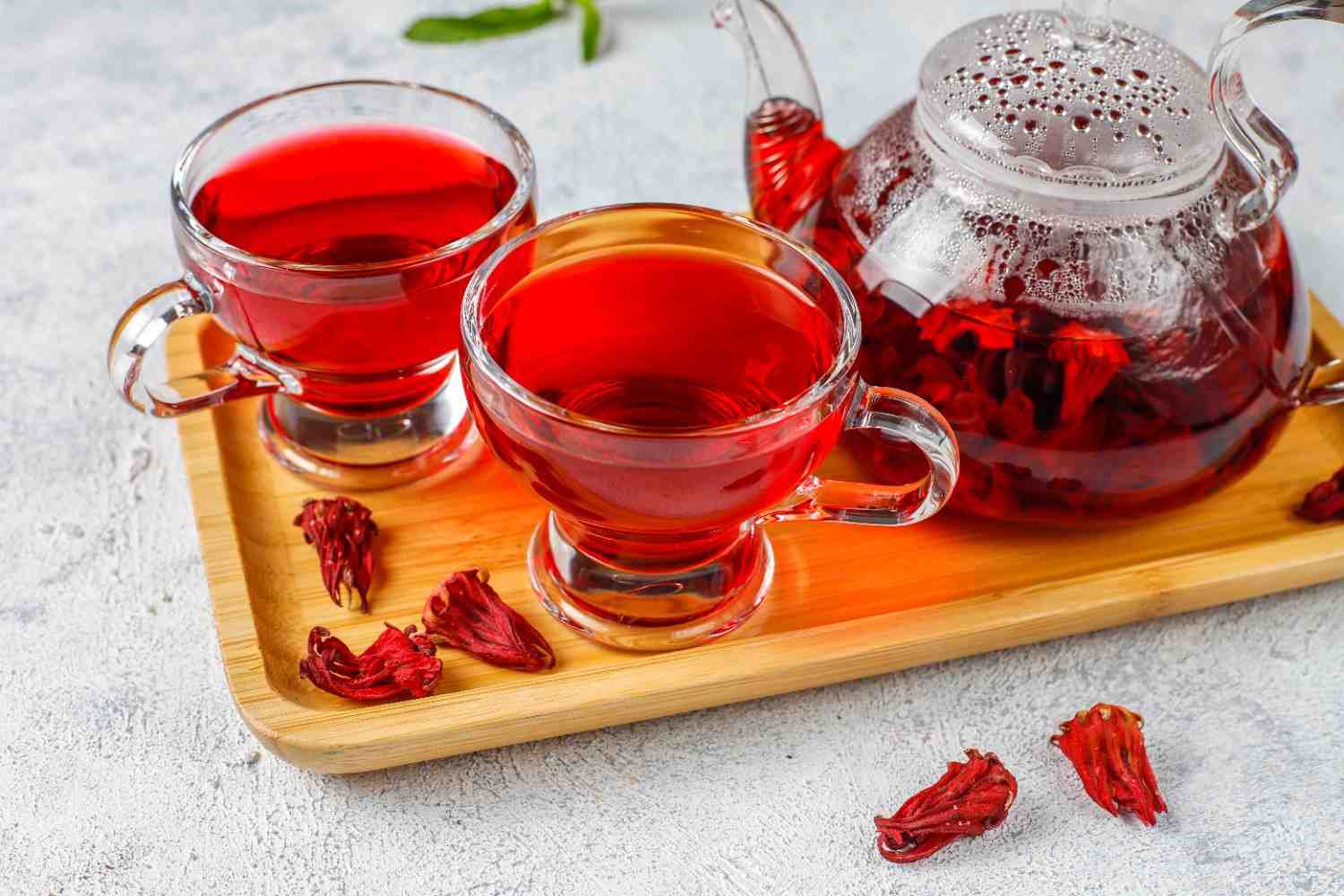

Hibiscus tea has been gaining attention not only for its vibrant color and refreshing taste but also for its potential health benefits. Among these benefits, its ability to support healthy blood pressure levels stands out. High blood pressure is a silent condition that affects millions globally, often leading to severe health complications. Many individuals seek natural remedies to manage their blood pressure, and hibiscus tea cold brew emerges as a promising option.
This herbal infusion is rich in antioxidants and has been used in traditional medicine for centuries, particularly in various cultures around the world. Cold brewing hibiscus tea can enhance its flavor profile while maintaining its beneficial properties. The cooling process also makes it a delightful beverage during warmer months, providing a refreshing alternative to sugary drinks.
The challenge lies in understanding how to effectively incorporate hibiscus tea into one’s daily routine to reap its maximum benefits. This guide will explore practical applications, scientific evidence, and lifestyle choices that can enhance the positive effects of hibiscus tea cold brew on blood pressure.
By delving into the mechanisms behind its effects and providing actionable strategies for its use, this guide aims to empower individuals to take charge of their health in a natural and enjoyable way.
Contents
How to Use Hibiscus Tea Cold Brew for Real Results
- Best Form: Cold brew tea
- Best Time: Morning or afternoon
- Expected Result: Support for healthy blood pressure levels
For Daily Protection
The Prep: Gather dried hibiscus flowers, filtered water, and a glass pitcher. Aim for about one cup of dried hibiscus flowers for every quart of water. Choose organic flowers for the best flavor and quality.
The Action: Start by rinsing the hibiscus flowers under cool water to remove any dust. Place the flowers in the glass pitcher and fill it with filtered water. Seal the pitcher and place it in the refrigerator for at least four hours, or overnight for a more robust flavor.
The Feeling: As you sip this vibrant beverage, expect a tangy and refreshing sensation. The cooling effect of the tea can be invigorating, especially on hot days. You may notice a calming effect as you enjoy a cup, promoting relaxation and overall well-being.
Pro Tip: Add a slice of lemon or a touch of honey for extra flavor and additional health benefits.
Targeting Stress Relief
The Prep: Use the same ingredients as before. Consider adding a few fresh mint leaves for a refreshing twist.
The Action: Prepare the cold brew as mentioned, but once the tea is ready, pour it over ice in a tall glass. Garnish with fresh mint leaves and a slice of lime. This not only enhances the flavor but also adds a cooling effect that can help alleviate stress.
The Feeling: The combination of hibiscus and mint creates a delightful cooling sensation. You may feel a slight tingling on your palate, which can be refreshing and uplifting. The calming properties of hibiscus may help reduce anxiety and promote a sense of tranquility.
Pro Tip: Enjoy this drink during a mid-afternoon break to help reset your focus and energy.
The Evening Wind Down
The Prep: Gather your dried hibiscus flowers, water, and a few slices of fresh ginger. Ginger adds an extra layer of flavor and can enhance the health benefits.
The Action: Prepare your cold brew as before, but add the ginger slices to the pitcher before sealing it. Allow it to steep overnight in the refrigerator. Strain the tea into a glass before serving.
The Feeling: This hibiscus-ginger blend provides a warming sensation on the palate, contrasting nicely with the coolness of the tea. You may find that the ginger adds a soothing effect, making it perfect for winding down after a long day.
Pro Tip: Drink this tea about an hour before bedtime to promote relaxation and prepare your body for rest.
Avoiding Common Mistakes
Using Low Quality Herbs
The choice of hibiscus flowers can significantly impact the flavor and health benefits of your tea. Low-quality or stale herbs may not offer the same potency. These inferior products may lack the rich antioxidants found in high-quality varieties.
Opting for organic, high-quality dried hibiscus flowers ensures that you receive the full spectrum of benefits. Not only do these flowers taste better, but their nutrient profile is also superior.
Neglecting Proper Brewing Time
Many individuals may rush the brewing process, thinking that a short steep will suffice. Hibiscus tea requires adequate time to extract its beneficial compounds fully. If brewed for too short a time, the tea may taste weak and fail to deliver its potential health benefits.
Aim for a minimum of four hours when cold brewing hibiscus tea. Longer steeping times can enhance flavor and increase the extraction of antioxidants, which are vital for supporting healthy blood pressure levels.
Overlooking Temperature Control
Some may assume that temperature does not affect the brewing process. However, brewing hibiscus tea at higher temperatures can lead to a bitter taste. Cold brewing is the best method for extracting the natural sweetness and tartness of hibiscus flowers.
Always use cold or room temperature water for brewing. This method ensures that the tea maintains its vibrant color and refreshing flavor while promoting optimal health benefits.
The Mechanism Behind Hibiscus Tea
Hibiscus tea’s impact on blood pressure can be attributed to its rich content of antioxidants, particularly anthocyanins. These compounds work by promoting vasodilation, which relaxes blood vessels and improves blood flow. This biological mechanism can lead to a reduction in overall blood pressure levels.
The key compound responsible for these beneficial effects is hibiscus acid. This organic acid has been shown in studies to help lower systolic and diastolic blood pressure. Hibiscus acid acts by inhibiting the production of certain enzymes that can constrict blood vessels.
For a detailed overview of clinical evidence supporting the effects of hibiscus tea on blood pressure, visit this link. Numerous studies have demonstrated its efficacy in managing hypertension, providing a solid foundation for its use as a natural remedy.
Choosing the Right Product
- Potency: The concentration of active compounds in hibiscus tea can vary significantly. Higher potency products may provide more pronounced health benefits, making them a worthwhile investment.
- Purity: Look for products that are free from additives or artificial flavors. Pure hibiscus tea ensures you receive the full health benefits without unwanted chemicals.
- Form: Hibiscus tea is available in various forms, including dried flowers, tea bags, and powdered extracts. Choose a form that fits your lifestyle and preferences for the best experience.
Benefits and Risks
| The Benefits | Potential Downsides |
|---|---|
| Rich in antioxidants that promote heart health | May cause stomach upset in sensitive individuals |
| Helps lower blood pressure naturally | Can interact with certain medications |
| Refreshing and hydrating beverage option | Excessive consumption may lead to diuretic effects |
Healthy Lifestyle Habits
Incorporating regular physical activity into your routine can enhance the benefits of hibiscus tea. Engaging in cardiovascular exercises like walking, jogging, or cycling can improve circulation and further support healthy blood pressure levels.
Maintaining a balanced diet rich in fruits, vegetables, and whole grains complements the effects of hibiscus tea. Nutrient-dense foods provide essential vitamins and minerals that work synergistically with hibiscus to promote overall heart health.
Who Should Avoid This?
– Individuals with low blood pressure should consult a healthcare provider before use.
– Pregnant or breastfeeding women should avoid hibiscus tea due to potential hormonal effects.
– Those taking medications for hypertension or diabetes should discuss hibiscus tea with a healthcare professional to avoid interactions.
– People with allergies to hibiscus or related plants should steer clear of this herbal infusion.
Common Questions
How often can I drink hibiscus tea?
You can enjoy hibiscus tea daily, but moderation is key. Aim for one to three cups per day to reap its benefits without overconsuming.
Can hibiscus tea replace my blood pressure medication?
While hibiscus tea can support blood pressure management, it should not replace prescribed medications without consulting a healthcare provider.
Does hibiscus tea have caffeine?
No, hibiscus tea is naturally caffeine-free, making it an excellent choice for those looking to reduce their caffeine intake.
Is cold brewing hibiscus tea better than hot brewing?
Cold brewing preserves the natural sweetness and flavor of hibiscus while reducing bitterness. It also retains more antioxidants, making it a superior method for preparing this tea.
The Bottom Line
Hibiscus tea cold brew can be a delightful and effective way to support healthy blood pressure levels.
- The Truth: While hibiscus tea offers many benefits, it is not a substitute for medical treatment.
- The Strategy: Enjoy it in the morning or afternoon for optimal results.
- The Next Step: Consider pairing hibiscus tea with a balanced diet for enhanced effects.
Get Your FREE Natural Health Guide!
Subscribe now and receive our exclusive ebook packed with natural health tips, practical wellness advice, and easy lifestyle changes, delivered straight to your inbox.