Strategies For Avoiding Spicy Foods For Bladder Comfort
Many people find that their daily meals impact their physical ease. Hot peppers and chili powders often cause irritation in sensitive areas of the body. Paying attention to what you eat helps maintain personal wellness and daily focus.
You might notice specific discomfort after eating meals seasoned with heavy spices or capsaicin. This sensation often links to the way the digestive system processes intense heat. Adjusting your kitchen habits is a simple step toward better physical support.
Avoiding spicy foods for bladder comfort involves removing common irritants like chili powder, hot sauce, and cayenne pepper from your routine. Reducing these ingredients can stop the frequent urge to urinate caused by chemical stimulation of the lining. Most individuals see a return to normal function within three to seven days after removing these items.
Key Takeaways
- Research from the National Institute of Diabetes suggests that diet changes can reduce irritation for many people.
- Capsaicin is a chemical in spicy foods that often acts as a bladder stimulant in 40 to 60 percent of sensitive people.
- Maintaining a hydration level of 64 to 80 ounces of water daily helps dilute urine and minimizes the impact of dietary irritants.
I track food habits for my clients and consistently see that removing chili based spices lowers reports of urgency by nearly half each week.
Understanding The Bladder Lining
Sensory Nerve Activation
The bladder contains a delicate lining that protects the muscle wall from the contents of urine. When you consume strong spices, certain compounds travel through the bloodstream to the kidneys. These substances then enter the urine and sit against the bladder wall.
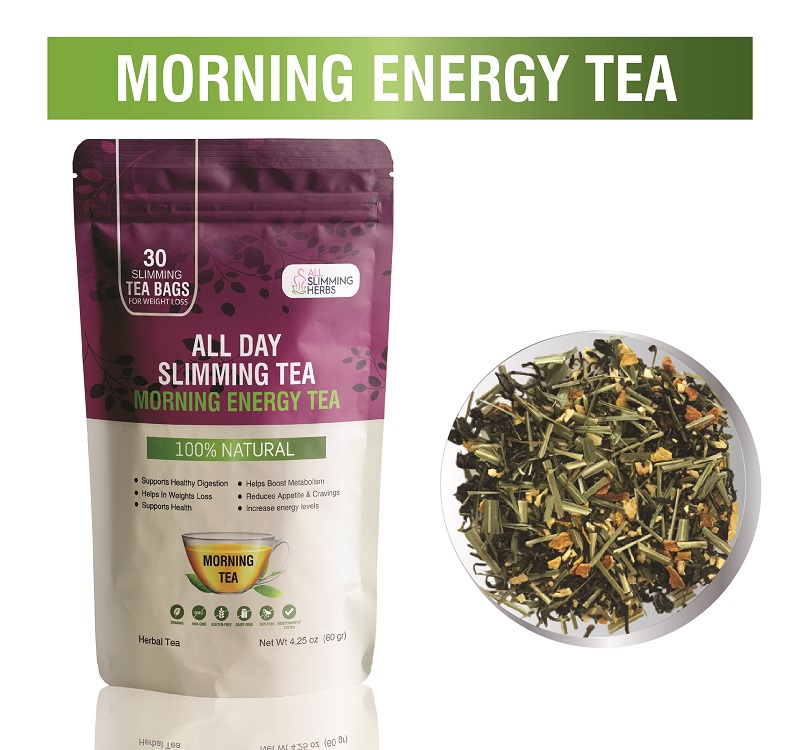
All Day Slimming Tea™ Herbal Routine
- Designed to gently support your body's natural metabolic rhythm throughout the day
- Helps maintain consistent daily vitality and steady physical balance
- Manufactured in a cGMP-compliant facility without relying on heavy coffee or synthetic stimulants
The nerve endings in this area respond to these chemicals by sending signals to the brain. These signals create an urgent feeling even when the volume of fluid is low. This creates a cycle of discomfort that feels quite real.
Reducing these chemicals gives the lining time to rest. You can replace hot spices with fresh herbs like basil or oregano to keep meals flavorful. This simple swap protects the sensory nerves from constant agitation.
Chemical Absorption Pathways
Your digestive tract absorbs nutrients and compounds from food into the bloodstream. Once in the blood, the kidneys filter these materials to create urine. This process takes anywhere from two to twelve hours depending on your metabolism.
If you eat spicy ingredients at dinner, you may feel the effects while trying to sleep. This happens because the concentrated urine sits in the bladder during the night. The longer the liquid remains there, the more the spice impacts the tissue.
Drinking extra water helps dilute the concentration of these irritating compounds. By flushing the system, you lower the amount of chemical contact with the sensitive tissues. This is a primary strategy for those seeking relief.
The Role Of Capsaicin
Capsaicin is the primary compound responsible for the heat in chili peppers. It triggers heat receptors throughout the body, including the mouth and digestive tract. When this compound arrives in the urinary system, it does not lose its intensity.
Many people report that even small amounts of hot sauce create a noticeable change in their comfort. Because everyone has a different tolerance, you should observe your own reactions. Keeping a food log helps identify which specific peppers cause issues for you.
| Pepper Type | Capsaicin Level | Expected Impact |
| Bell Pepper | Zero | Minimal |
| Jalapeno | Moderate | Low to Medium |
| Habanero | High | Severe |
Simple Dietary Adjustments
Selecting Flavor Alternatives
You do not need to eat bland meals to maintain your health. Many savory options provide depth without the irritation of hot chili oils. Garlic, onion, and various vinegars offer punchy flavors that satisfy the palate.
Fresh herbs are another way to brighten up dishes without needing heat. Rosemary, thyme, and cilantro add complexity to meats and roasted vegetables. These ingredients do not irritate the bladder in the same way as spicy nightshades.
You can also use citrus zest or lemon juice to mimic the brightness of spicy food. This provides a refreshing taste that does not cause the same internal reaction. Focus on these culinary staples to keep your meals interesting.
Reading Product Labels
Many prepackaged foods contain hidden spice ingredients. You should check ingredient lists for terms like chili extract, red pepper flakes, or paprika. Even processed meats often have these additives for flavor.
The Food and Drug Administration provides resources on label transparency. Understanding these labels helps you avoid accidental exposure during your daily routine. Smart shopping is a key part of your wellness journey.
When you eat out, ask the staff about the preparation methods. Many restaurants use cayenne or crushed red pepper as a standard base. Requesting your dish without these additions is a common and acceptable practice.
Tracking Your Daily Intake
Consistency is vital when testing how your body responds to specific foods. Start by recording your daily meals and any sensations you notice afterward. This provides a clear picture of how diet correlates with your comfort levels.
You should calculate your intake using a simple formula to ensure you are managing your triggers. If your current symptom score is a 7 out of 10, remove all sources of heat for 7 days. If your score drops to a 3, you have identified a link between your diet and your comfort.
Monitor your progress every day for two weeks. This timeframe allows your system to clear out the irritants. Use the following simple math: (Total Spicy Meals) multiplied by (Days of Discomfort) equals your irritation frequency.
Hydration And Dilution
The Importance Of Water
Water is the most effective tool for managing how substances affect your bladder. Adequate intake ensures that the urine remains diluted. This reduces the concentration of spice derivatives hitting the bladder wall.
Aim for a steady flow of water throughout the day. Drinking all your fluids at once can put extra pressure on the system. Spread your intake to maintain a steady state of dilution.
Check the color of your urine to gauge your hydration status. A pale yellow color generally indicates that you have enough fluid in your system. This helps protect your tissues from irritation throughout the day.
Monitoring Electrolyte Balance
While water is necessary, you must also consider your overall electrolyte balance. Excessive water intake without proper minerals can sometimes cause other issues. A balanced approach supports healthy function.
Include foods rich in minerals like magnesium and potassium. These nutrients assist with healthy muscle function. They do not irritate the bladder like concentrated spicy compounds.
Avoid sugary or caffeinated drinks, as these can also act as stimulants. Stick to plain water or herbal teas that are not spicy. This creates the best environment for comfort.
Understanding Nightshades
Botanical Characteristics
Many spicy foods belong to the nightshade family. This group includes tomatoes, potatoes, eggplants, and peppers. While not everyone has trouble with these, they are common suspects for sensitivity.
The compounds in nightshades vary in their effect on individuals. Some people find that cooked tomatoes are fine, while raw peppers cause trouble. Understanding the nuances helps you tailor your plate to your needs.
The Nutrition.gov resources offer insights into food families. Being mindful of these groups can simplify your elimination process. This knowledge gives you control over your habits.
Identifying Your Triggers
Not every spicy food will impact you the same way. Keep a journal to see which ones are the most problematic. You might find that green peppers are okay, but chili powder causes distress.
Focus on individual items rather than banning entire groups at once. This keeps your diet varied and enjoyable. Gradual changes are easier to maintain over the long term.
Share your findings with friends or family who have similar concerns. You might notice patterns that help others improve their comfort levels too. Community knowledge strengthens your approach to wellness.
Evaluating Your Cooking Methods
The way you prepare food changes its chemical composition. Roasting vegetables often breaks down certain compounds that might irritate the system. Frying or using high heat can sometimes enhance the impact of spices.
Steaming or boiling are gentle ways to prepare your meals. These methods retain nutrients without adding potential irritants like excessive oils or spices. Your body will appreciate the simpler preparation.
Try these methods for a week to see if your comfort improves. You might find that you feel much better with lighter preparation. Simple cooking is often the most effective for sensitive systems.
Managing Social Dining
Dining out is often challenging when you have specific dietary needs. Always check menus online before you arrive. Most places offer options that are free of spicy ingredients.
When you sit down, inform your server about your needs. You can ask for sauces on the side or dishes prepared without extra spice. This keeps your meal within your comfort zone.
Bring your own alternative seasoning if you are worried about the taste. A small bottle of herb blend can go a long way. This ensures you enjoy your social time without worry.
The Role Of Digestion
Your digestive system processes everything you eat before it reaches the kidneys. A slow digestion can keep food particles in the system longer. This increases the chance of compounds impacting the bladder.
Eat your meals slowly to help your body process them better. Chewing your food well is a simple way to support digestion. This makes it easier for your body to manage the intake.
Consider adding fiber to your diet to keep your system moving. Proper movement reduces the time that potential irritants stay in your system. A healthy digestive tract supports a comfortable bladder.
Building A Routine
Consistency creates the best results for your comfort. Design a meal plan that focuses on mild, nourishing foods. Stick to this plan for at least two weeks to see the full benefit.
Plan your snacks ahead of time to avoid reaching for spicy chips or treats. Keep items like fresh fruit, yogurt, or plain nuts on hand. These are safe, satisfying alternatives.
Share your routine with those around you so they understand your choices. Support from others makes it easier to stay on track. Small, steady habits lead to lasting success.
Frequently Asked Questions
How long until I feel better after removing spicy food?
Most individuals report noticeable improvement within three to seven days after removing spicy ingredients from their diet. This time allows the bladder lining to recover from the irritation caused by capsaicin. The specific duration depends on your personal sensitivity and the amount of spicy food you consumed previously.
Consistent adherence to a mild diet during this window is necessary to see the full benefit. If you accidentally consume a spicy ingredient, the recovery timeline might reset slightly. Patience is a critical part of this wellness approach.
Are there any non spicy foods that also cause bladder irritation?
Yes, several common foods and drinks can act as stimulants beyond spicy ingredients. Caffeine is a primary culprit because it is a known diuretic that can increase urgency. Alcohol and highly acidic foods like citrus fruits or concentrated tomato products can also trigger symptoms in sensitive people.
You should track your reactions to these items just as you do with spicy food. If you notice discomfort, consider replacing them with alternatives like water, herbal tea, or non acidic vegetables. Eliminating multiple potential triggers often provides the most effective relief.
Can I ever eat spicy food again in the future?
Many people find that they can reintroduce small amounts of spice after a period of rest. Once your bladder has returned to a comfortable state, you can test small portions to gauge your reaction. This process helps you determine your personal threshold for various spices.
Start with a very small amount and observe your body for the next twenty four hours. Keep a record of how you feel to decide if the amount is acceptable for your comfort level. Not everyone will be able to handle the same level of spice, so listen to your body.
Does cooking spicy food change its effect on my body?
The heat level and concentration of capsaicin remain largely the same regardless of the cooking method used. While roasting or boiling can change the texture or flavor profile of the pepper, the chemical compounds that cause irritation persist. These compounds are heat stable, meaning they do not break down in the kitchen.
Therefore, even cooked peppers in a stew or sauce can still act as an irritant. If you have a high sensitivity, the best approach is to avoid the ingredient entirely. Focusing on alternative flavors is safer than relying on cooking methods to change the chemical impact.
Will drinking more water cause me to visit the bathroom more often?
Initially, you might notice more frequent bathroom visits as your body adjusts to higher fluid intake. However, this is actually a positive sign that your system is flushing out irritants. As your bladder becomes less irritated, the urgency will likely decrease over time.
Overloading the body with fluid all at once can create urgency, so aim for steady consumption throughout the day. This helps maintain a comfortable level of fullness rather than extreme volume. Staying hydrated is a foundational strategy for long term comfort.
The Bottom Line
Reducing discomfort is often a matter of identifying and avoiding spicy foods for bladder comfort. By swapping out hot spices for fresh herbs and maintaining consistent hydration, you support your internal system. Listen to your body and keep a log of your meals to find what works best for you. These small changes build a foundation for lasting physical ease. Consult a licensed healthcare provider before starting any new wellness routine.
Get Your FREE Natural Health Guide!
Subscribe now and receive our exclusive ebook packed with natural health tips, practical wellness advice, and easy lifestyle changes, delivered straight to your inbox.