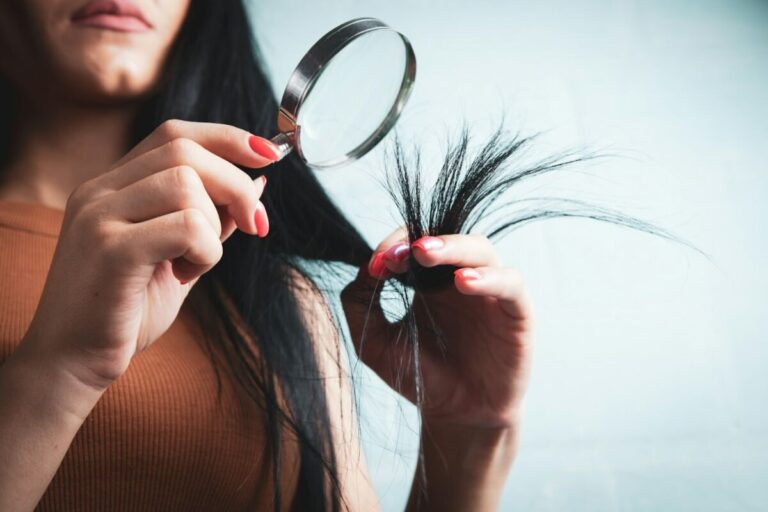
Simple Strategies For Reversing Hormonal Hair Loss After 40
The mirror often tells a story we did not expect to read in our early middle years. Hair thinning happens to many women as they transition through the decades following age forty. This shift relates to internal changes that influence how follicles behave on the scalp.
You might notice a wider part or more shedding in your hairbrush. These indicators point toward shifts in internal balance rather than external damage. Understanding these internal rhythms allows for better management of your mane.
Reversing hormonal hair loss after 40 requires stabilizing nutrient intake and managing daily stress to support follicle longevity. Focus on protein density and iron levels to maintain hair growth cycles. Consistent habits often yield better results than quick fixes.
Key Takeaways
- Daily intake of 50 grams of protein supports the structural integrity of keratin strands.
- Serum ferritin levels below 40 nanograms per milliliter often correlate with increased hair thinning.
- Managing cortisol through rhythmic sleep patterns can reduce the duration of the resting phase for follicles.
In my work with women navigating these shifts, I notice that prioritizing bioavailable iron and amino acids often stabilizes shedding within three full growth cycles.
Biological Roots Of Follicle Shifts
Hair follicles possess their own internal clock that dictates when hair grows and when it rests. As internal environments change around the age of forty, the active growth phase tends to shorten. This leads to strands that fall out sooner than they did in younger years.
The Role Of The Growth Cycle
The anagen phase represents the time hair spends actively growing from the scalp. When internal chemical signals shift, this phase narrows significantly. You may find that your hair reaches a certain length and then seems to stall or thin out.
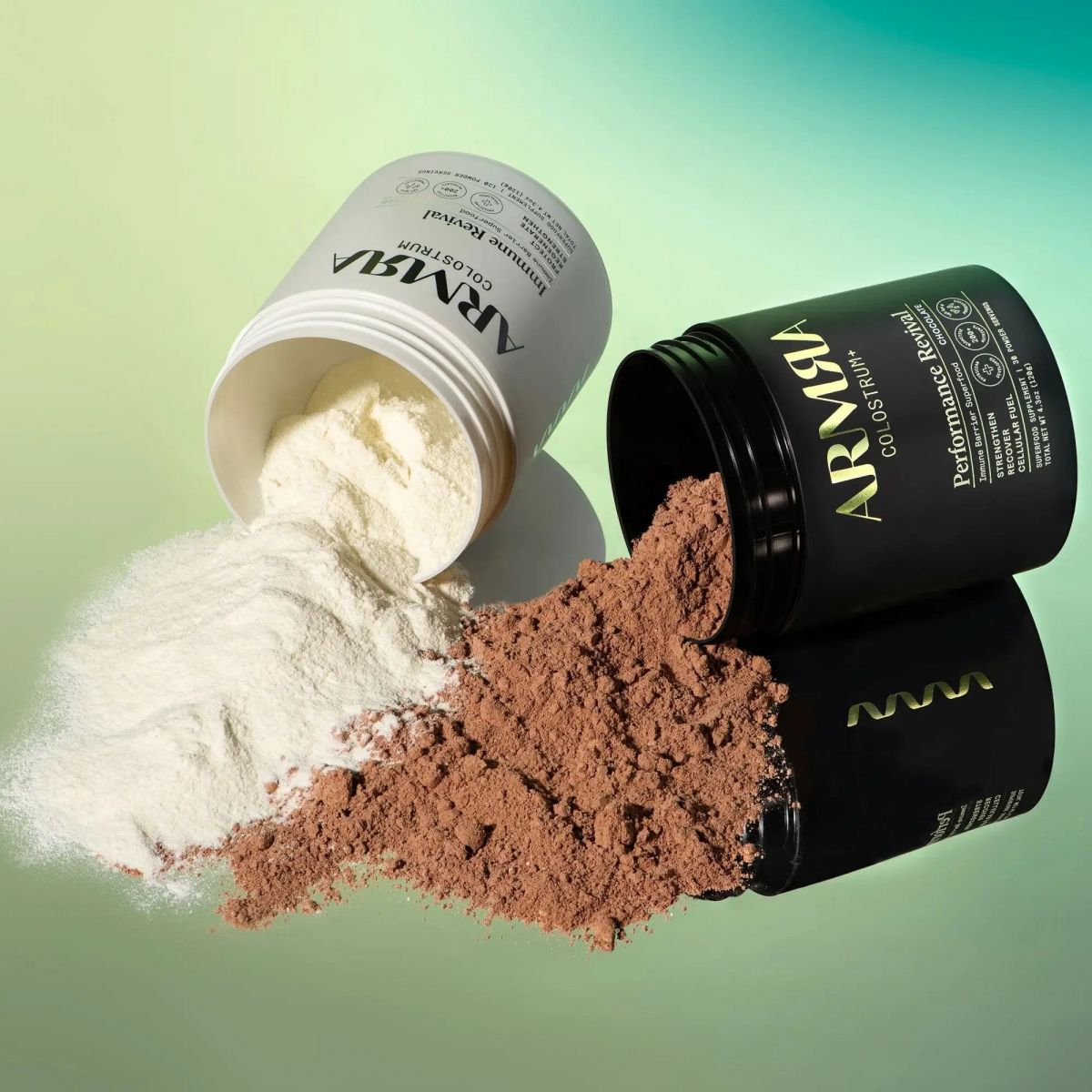
ARMRA Colostrum™ Foundational Support
- Designed to provide foundational nutritional support for overall bodily wellness and daily vitality
- Helps fortify the body's natural mucosal barriers against everyday environmental stressors
- Responsibly sourced and manufactured to optimize nutrient absorption without synthetic additives
Impact Of Circulatory Patterns
Follicles need a steady supply of oxygenated blood to perform their work. Poor circulation at the scalp level contributes to weaker strands. Movement and scalp massage encourage the flow of nutrients to the base of every single hair.
1. Prioritizing High Quality Protein Intake
Hair consists mostly of a structural protein known as keratin. Without enough amino acids in your daily diet, the body redirects proteins to essential internal organs. This leaves hair follicles lacking the building blocks they need for density.
- Eggs: These provide a complete amino acid profile including cysteine which links protein chains together.
- Legumes: Lentils and chickpeas offer plant based protein paired with zinc for scalp health.
- Collagen Sources: Bone broth supplies the specific building blocks used to reinforce the hair shaft.
2. Monitoring Essential Mineral Levels
Iron deficiency remains a primary contributor to thinning hair in women entering their forties. Research from the National Institutes of Health indicates that iron serves as a catalyst for energy production in follicle cells. Without sufficient stores, the hair enters a dormant state prematurely.
| Nutrient | Primary Function | Common Source |
|---|---|---|
| Iron | Oxygen transport | Spinach |
| Zinc | Tissue repair | Pumpkin seeds |
| Vitamin D | Follicle cycle | Fatty fish |
3. Managing Stress Responses Through Rhythms
High tension levels cause the body to release cortisol consistently. This chemical presence signals the body to prioritize immediate survival over non essential tasks like growing hair. Long term elevation of this stress response forces follicles into a resting state.
The Connection Between Sleep And Shedding
Deep sleep is the time when the body repairs cells and balances chemistry. Skipping sleep disrupts the natural cycle of growth and rest for your hair. Aim for seven to nine hours of consistent rest to allow for these natural maintenance periods.
Practical Calming Habits
You can use daily practices to signal safety to your nervous system. Gentle movement like yoga or walking reduces the chemical impact of daily pressures. These habits create a foundation where the body feels safe enough to focus energy on hair health.
4. Optimizing Scalp Microcirculation
The scalp is a dense network of vessels that carry fuel to the roots. Over time, these vessels can become constricted or less efficient at moving blood. You can manually encourage this flow to ensure that follicles receive necessary nutrients.
Methods For Manual Stimulation
Daily massage using your fingertips helps loosen tension in the scalp skin. This motion improves the elasticity of the tissue and invites more blood flow to the surface. Spend three minutes each evening focusing on the crown where thinning often appears.
Temperature And Texture
Cold showers provide a brief jump start to circulatory systems after a warm wash. Avoiding tight hairstyles that pull on the roots prevents physical damage to the hair bulb. Keeping the scalp skin clean and free of buildup allows follicles to emerge without obstruction.
5. Evaluating Nutrient Absorption
Eating well does not matter if your digestive system fails to extract the nutrients. Digestion often slows as we age, making it harder to absorb minerals like zinc and B12. Focus on fermented foods to improve the internal environment of your gut.
- Sauerkraut: This fermented cabbage provides natural probiotics that aid in the breakdown of heavy proteins.
- Kefir: This drinkable dairy or water based culture offers a diverse range of beneficial bacteria.
- Ginger Root: Adding fresh ginger to meals helps settle the digestive tract and encourages nutrient uptake.
6. Understanding The Vitamin D Connection
Vitamin D acts more like a hormone than a vitamin in the way it regulates cells. Studies from the National Institutes of Health highlight its role in creating new hair follicles. Deficiency is common in northern climates or for those who spend most days indoors.
You can check your levels through standard blood work during a yearly physical. Most people require consistent exposure to natural light or specific food sources to maintain baseline levels. If your levels sit at the low end of the spectrum, consider how you might invite more sun into your morning routine.
7. Balancing Daily Caloric Requirements
Rapid changes in body weight or restrictive diets trigger a warning signal in the body. When energy intake drops too low, the body views hair as a luxury expense. It cuts off the supply to ensure the brain and heart receive what they need to function.
Calculation of your needs involves looking at your height and activity levels. If you expend 1800 calories a day, you must consume at least that amount to maintain current tissue health. Dropping below your maintenance level for extended periods will likely result in visible shedding after several weeks.
8. Leveraging Botanical Support
Nature offers many plants that contain fatty acids and antioxidants. These substances protect the scalp from environmental stressors that lead to thinning. Research from the National Center for Complementary and Integrative Health suggests that certain plant oils may soothe the scalp skin. Always perform a patch test on your arm before applying any plant extract to your scalp.
Frequently Asked Questions
Can I stop hair thinning simply by changing my shampoo?
External products like shampoos can clean the scalp and provide temporary volume, but they do not address the internal drivers of hair cycle changes. The roots of your hair reside deep beneath the skin where topical products cannot reach.
Focusing on internal nutrition and stress management is more effective than expensive topical solutions. Use mild, sulfate free shampoos to protect the delicate hair shaft while you address the internal causes of shedding. This dual approach covers both the aesthetic appearance and the underlying physiology of your hair growth.
How long does it take to see results after changing my habits?
Hair growth follows a slow, deliberate schedule that moves in cycles of months rather than days. When you change your habits, it takes approximately three to six months for the hair that was affected by your previous habits to shed completely. This cycle is known as the telogen phase, which is the resting period before a new strand emerges.
You will likely see less hair in your brush after the first ninety days of consistent support. True density improvements often take a full year to become visible to the eye. Patience with this biological timeline is essential for success.
Are supplements necessary for supporting hair health?
Whole foods should always be your first choice for acquiring vitamins and minerals. Food provides a complex mix of fibers and cofactors that isolates cannot replicate. Supplements are intended to fill minor gaps rather than replace a nutritious diet.
If blood tests show a clear deficiency in iron or vitamins, a focused supplement can help you catch up quickly. Use these only under the guidance of a professional who can monitor your levels. Reliance on synthetic vitamins without addressing the diet often leads to imbalances.
What is the impact of styling tools on hair density?
High heat from irons and dryers damages the protective outer layer of the hair shaft. Once this layer breaks, the hair becomes brittle and snaps off near the root. This can create the appearance of thinning even if the follicles themselves remain active.
Limit the use of heat tools to special occasions to keep your strands resilient. Air drying or using low heat settings significantly reduces the physical toll on your hair. Protecting the length you have is just as important as growing new strands.
Does exercise intensity influence my hair growth?
Moderate exercise improves your overall health by supporting circulation and hormonal balance. However, excessive training without adequate food intake puts massive strain on the body. This creates an internal environment where hair growth becomes a low priority.
Choose movement that makes you feel energized rather than drained. If you find your hair shedding increases after starting a rigorous program, consider lowering the intensity and increasing your caloric intake. Balancing exertion with recovery is the key to maintaining a healthy growth cycle.
The Bottom Line
Reversing hormonal hair loss after 40 is a journey of supporting your body from the inside out. Focus on high quality proteins, mineral sufficiency, and stress management to provide the best environment for your follicles. Consistency over time produces the most stable results for your hair density. Pregnant women or those with chronic health conditions should avoid changing their wellness routines without professional oversight. Consult a licensed healthcare provider before starting any new wellness routine.
Get Your FREE Natural Health Guide!
Subscribe now and receive our exclusive ebook packed with natural health tips, practical wellness advice, and easy lifestyle changes, delivered straight to your inbox.