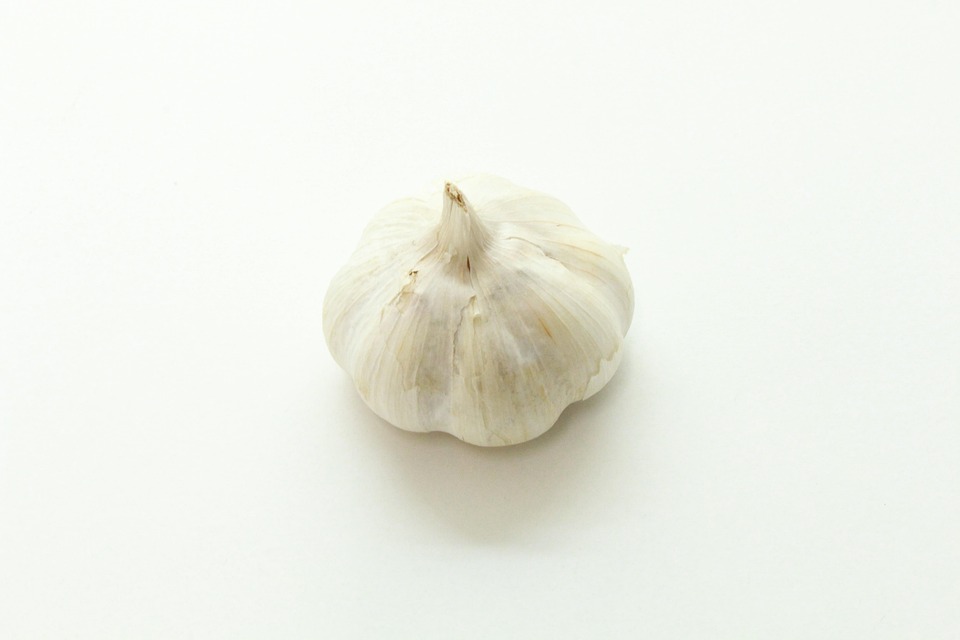

Raw Garlic for Glucose Levels: A Traditional Ingredient’s Potential
The kitchen holds many simple yet powerful ingredients. Among them, raw garlic stands out for its unique flavor and historical applications in supporting general wellness. It’s a staple in cuisines worldwide and often merits discussion in natural health circles.
This guide explores the properties of raw garlic. We’ll examine its components and how people often consider them within the context of metabolic balance. The information provided here is for educational purposes only.
People with underlying conditions often work with a qualified healthcare professional for personalized guidance. This information is educational and not a substitute for medical advice.
Garlic’s Ancient Roots in Wellness
Garlic, or Allium sativum, boasts a history spanning thousands of years. Ancient civilizations in Egypt, Greece, Rome, China, and India valued it not just as a food item but also for its perceived health attributes. Records from these cultures detail its inclusion in various traditional practices.
Its use wasn’t limited to culinary arts. Historical texts depict garlic as a fundamental component in early wellness traditions. People cultivated it across diverse climates, demonstrating its adaptability and widespread acceptance as a significant plant. This rich past underscores its enduring presence in human diets and natural health approaches.
The reverence for garlic in these societies was profound. They incorporated it into daily life and specific rituals, acknowledging its distinct properties. This deep historical connection provides context for modern interest in its potential contributions to well-being.
- Historical Use: Documented in ancient Egyptian papyri and traditional Chinese medicine texts.
- Geographic Origin: Believed to originate in Central Asia.
- Cultural Significance: Valued across diverse ancient civilizations for both food and wellness.
Cultivation and Harvesting Insights
For optimal potency, many traditional growers emphasized specific cultivation practices. People often harvested garlic after its leaves began to yellow, allowing the bulb to mature fully underground. This careful timing was thought to maximize the concentration of its active compounds.
Understanding Garlic’s Potent Compounds
Raw garlic contains a complex array of sulfur containing compounds. The most extensively discussed are alliin and allicin. When raw garlic is crushed, chopped, or chewed, an enzyme called alliinase is released. This enzyme converts alliin into allicin.
Allicin is often considered the primary bioactive compound responsible for many of garlic’s characteristic properties. However, allicin is quite unstable and quickly transforms into other organosulfur compounds. These derivatives include diallyl disulfide DADS and diallyl trisulfide DATS. These compounds are also thought to contribute to garlic’s overall profile.
The unique pungent aroma of garlic is largely due to this rapid enzymatic conversion. These sulfur compounds are extensively studied for their interactions within the body. Their presence distinguishes garlic from many other plant foods.
| Compound | Precursor | Activation | Key Aspect |
|---|---|---|---|
| Alliin | Sulfur amino acid | Present in intact bulb | Odorless, stable |
| Alliinase | Enzyme | Released upon damage | Catalyzes conversion |
| Allicin | Alliin | Enzymatic reaction | Pungent, unstable |
| DADS/DATS | Allicin | Degradation product | More stable derivatives |
- Primary Compound: Alliin is the precursor to most active forms.
- Conversion Process: Alliinase enzyme converts alliin to allicin upon mechanical damage.
- General Action: Organosulfur compounds contribute to garlic’s metabolic profile.
Enzymatic Activation Protocol
To initiate the formation of allicin, raw garlic must be physically broken down. Crushing or mincing garlic and allowing it to sit for 5-10 minutes before cooking or consumption often supports this enzymatic process effectively.
Exploring Raw Garlic’s Influence on Glucose Metabolism
Raw garlic is a subject of interest regarding its potential to support metabolic wellness. The active compounds within garlic may interact with various biological processes that contribute to overall glucose balance. People often explore these interactions as part of a lifestyle approach.
These interactions are discussed in the context of cellular health and systemic equilibrium. Garlic’s compounds might play a role in supporting the body’s natural ways of managing energy. This does not imply a medical effect, but rather a general dietary contribution to feeling well.
The focus remains on promoting a sense of internal balance through dietary choices. Including raw garlic can be part of a broader strategy for individuals interested in supporting their metabolic health through food. It’s about complementary dietary inputs, not specific interventions.
- Area of Influence: Supports general metabolic equilibrium.
- Related Mechanism: Compounds may influence cellular processes.
- Wellness Focus: Contributes to a balanced lifestyle and dietary patterns.
Dietary Integration Guidance
Many individuals find that incorporating raw garlic into a varied diet complements efforts towards metabolic well-being. This might involve adding it to salads, dressings, or as an aromatic base for meals.
Integrating Raw Garlic into Your Daily Routine
Incorporating raw garlic into your diet is straightforward. Its strong, pungent flavor can elevate many dishes. For maximum effect regarding its active compounds, it’s generally recommended to consume garlic raw or lightly cooked.
Crushing, mincing, or chopping garlic releases the alliinase enzyme, initiating the conversion of alliin to allicin. Allowing the crushed garlic to sit for several minutes before adding it to other ingredients can help this conversion occur more fully. This simple step can enhance the garlic’s properties.
Consider adding raw garlic to salad dressings, salsas, guacamole, or pestos. It also works well in marinades or mixed into dips. The key is to balance its potent flavor with other ingredients to suit your palate.
- Preparation Method: Crushing or mincing garlic releases key enzymes.
- Activation Tip: Let garlic sit for 5-10 minutes after chopping to maximize allicin formation.
- Flavor Profile: Pungent and spicy, best balanced with other strong flavors.
Flavor Combination Technique
Pairing raw garlic with citrus juice, olive oil, or herbs like parsley and cilantro can help mellow its intensity while enhancing overall dish complexity.
Important Considerations When Using Raw Garlic
While raw garlic offers interesting properties, it’s important to be mindful of its potent nature. Some individuals may experience digestive discomfort, such as heartburn, gas, or bloating, especially when consuming larger quantities. Starting with small amounts helps assess individual tolerance.
Garlic has also been discussed for its potential effects on blood clotting. People who are taking medications that affect blood coagulation often discuss their dietary choices with a healthcare professional. This includes individuals considering significant increases in garlic consumption.
It is always wise to inform your healthcare provider about any significant dietary changes or the regular use of potent natural ingredients like raw garlic. This ensures all aspects of your health plan are coordinated. Research from the NCCIH overview emphasizes careful consideration.
- Primary Concern: Digestive sensitivity in some individuals.
- Digestive Effect: May cause heartburn or gas.
- General Interaction Note: Discuss significant dietary changes with a healthcare professional.
Tolerance Assessment Method
Begin by incorporating a very small amount, perhaps half a clove, into your diet and gradually increase if tolerated well.
Frequently Asked Questions
Does cooking garlic destroy its beneficial compounds?
Cooking garlic, especially with high heat or for extended periods, can reduce the concentration of allicin and its related sulfur compounds. However, different cooking methods have varied effects. Light sautéing or adding garlic towards the end of cooking may preserve more of these compounds than prolonged boiling or roasting.
Can I take garlic supplements instead of raw garlic?
Garlic supplements often aim to provide standardized amounts of specific garlic compounds. These can include aged garlic extract or enteric coated garlic oil, which may offer different compound profiles than raw garlic. The choice between raw garlic and supplements often depends on individual preference and specific wellness goals. It’s important to understand that supplements are not a direct replacement for whole foods.
How much raw garlic is typically consumed for general wellness?
There is no universally recommended amount for general wellness. Culinary uses typically involve one to two cloves per dish. For those exploring its traditional benefits, starting with a small amount, like half a clove to one clove per day, and observing personal tolerance is a common approach. Always remember to discuss dietary changes with a qualified healthcare professional.
The Bottom Line
Raw garlic is a culinary and traditional health powerhouse, rich in unique sulfur compounds. Its historical use and biochemical profile make it a compelling subject for those interested in natural approaches to wellness. While it holds intriguing potential to support metabolic balance, integrating it into your diet requires mindful consideration of personal tolerance and interactions.
Embrace a curious approach to incorporating this kitchen staple into your lifestyle. Work with your healthcare professional to ensure raw garlic complements your overall health strategy.
Get Your FREE Natural Health Guide!
Subscribe now and receive our exclusive ebook packed with natural health tips, practical wellness advice, and easy lifestyle changes, delivered straight to your inbox.