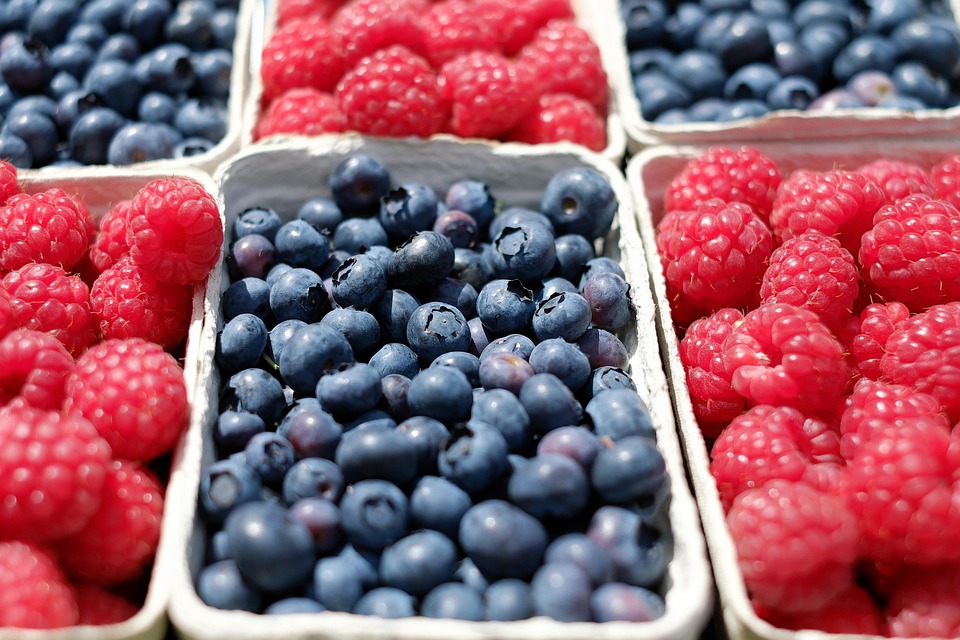

Berries for Antioxidant Metabolism: A Dietary Foundation
The human body constantly manages an intricate balance of cellular activities. This includes processes that naturally generate certain reactive molecules. A balanced approach to nutrition, especially with whole foods, can support these internal mechanisms.
Incorporating specific berries into your diet is a practical way to support the body’s natural antioxidant systems. These vibrant fruits offer a spectrum of compounds that work synergistically. They provide valuable nutritional components without making medical claims.
Understanding how these berries generally contribute to wellness empowers informed dietary choices. It shifts the focus from isolated compounds to the broader benefits of integrated nutrition. This perspective is vital for overall health and vitality.
Understanding Antioxidant Support Within the Body
Cells continually undertake various metabolic tasks, some of which produce byproducts. The body has inherent systems designed to manage these naturally occurring reactive species. These systems are essential for maintaining cellular integrity.
Antioxidant metabolism refers to the body’s internal processes for neutralizing these reactive molecules. It involves a complex network of enzymes and non-enzymatic compounds. These work together to maintain cellular homeostasis.
Dietary choices play a significant role in supporting these intrinsic processes. Specific nutrients found in foods can act as cofactors or direct participants in the body’s antioxidant defenses. This support is crucial for long term wellness.
Key Antioxidant Compounds in Berries
Berries are renowned for their rich content of various bioactive compounds. These often include polyphenols, flavonoids, and vitamin C. Each class contributes uniquely to supporting the body’s general cellular health.
**Flavonoids** represent a large group of plant compounds. They contribute to the vibrant colors seen in many berries. Their role in supporting various physiological functions has been extensively studied for general health.
**Anthocyanins** are a specific type of flavonoid responsible for red, purple, and blue hues. These compounds are particularly abundant in darker berries. They are widely discussed for their ability to support cell protection and overall vitality.
**Vitamin C** is a well-known essential nutrient. It functions as a water soluble antioxidant within the body. Many berries offer substantial amounts of this vitamin, aiding in numerous bodily processes beyond just antioxidant support.
| Compound Type | Primary Dietary Source (Berries) | General Wellness Aspect |
|---|---|---|
| Anthocyanins | Blueberries, Blackberries, Elderberries | Supports cellular defense mechanisms |
| Flavonols (e.g., Quercetin) | Strawberries, Cranberries | Contributes to overall cellular well-being |
| Ellagic Acid | Raspberries, Strawberries | Supports various metabolic pathways |
| Vitamin C | Strawberries, Raspberries, Blackcurrants | Essential for immune system support and general health |
| Resveratrol | Lingonberries, Blueberries (trace) | Associated with diverse physiological support |
Blueberries: A Staple for Cellular Support
Blueberries are perhaps the most recognized berries for their nutritional density. Their deep blue pigment comes primarily from **anthocyanins**. These specific flavonoids are widely studied for their general support of cellular processes.
Beyond anthocyanins, blueberries contain other beneficial compounds like **quercetin** and **myricetin**. These contribute to the overall complex phytochemical profile of the fruit. This complexity is often more beneficial than isolated compounds.
The historical use of blueberries spans centuries, valued by indigenous cultures for both food and traditional wellness practices. Their widespread availability today makes them a convenient dietary addition. They fit easily into most eating plans.
- Active Compounds: Anthocyanins, Quercetin, Myricetin
- General Support: Cellular integrity, metabolic balance
- Mechanism of Action (Reframed): Contributes to the body’s natural processes for managing reactive molecules
Incorporation Guidance
Consider adding a handful of fresh or frozen blueberries to your morning oatmeal, yogurt, or a smoothie for an easy daily addition.
Strawberries: Vitamin C and Ellagic Acid Power
Strawberries are beloved for their sweet taste and vibrant red color. They are an excellent source of **Vitamin C**, an essential nutrient for countless bodily functions. This vitamin acts as a robust water soluble antioxidant.
These berries also contain **ellagic acid**, a powerful phenolic compound. Ellagic acid is often discussed for its role in supporting various cellular pathways. It works synergistically with other phytonutrients in the fruit.
Historically, strawberries were cultivated for their flavor and believed wellness properties. Their seasonal availability in many regions makes them a welcome spring and summer treat. They offer a refreshing burst of flavor.
- Active Compounds: Vitamin C, Ellagic Acid, Anthocyanins (Pelargonidin)
- General Support: Immune system function, skin health, general cellular wellness
- Mechanism of Action (Reframed): Provides essential nutrients that participate in the body’s overall protective processes
Dietary Inclusion Tip
Enjoy sliced strawberries in salads, on whole-grain toast, or simply as a refreshing snack to enhance your daily intake.
Raspberries: Fiber and Phenolic Diversity
Raspberries are tender, flavorful berries known for their rich texture and complex nutritional profile. They are notably high in **dietary fiber**, which is crucial for digestive health. Fiber aids in maintaining regular bowel function.
Like strawberries, raspberries are also rich in **ellagic acid**. This compound, along with a range of other flavonoids and phenolic acids, contributes to the fruit’s wellness properties. They offer a diverse array of plant compounds.
The delicate nature of raspberries means they are often enjoyed fresh during their peak season or frozen for year-round convenience. Their distinct taste makes them a popular ingredient in both sweet and savory dishes. They pair well with many flavors.
- Active Compounds: Ellagic Acid, Anthocyanins, Quercetin, Fiber
- General Support: Digestive regularity, overall cellular wellness, metabolic support
- Mechanism of Action (Reframed): Supplies beneficial plant compounds that support the body’s internal antioxidant systems
Usage Instructions
Blend frozen raspberries into smoothies or sprinkle fresh ones over cereal and desserts for a nutritious addition.
Cranberries: Unique Proanthocyanidins
Cranberries are distinctively tart and are particularly known for their unique class of compounds called **proanthocyanidins (PACs)**. These A-type PACs are often discussed for their specific interactions within the body.
Beyond PACs, cranberries also contain **quercetin**, **myricetin**, and **ursolic acid**. This combination contributes to their well documented health-supporting profile. They are more than just a seasonal fruit.
Cranberries have a long history of use in North America, both as food and in traditional remedies. Their tartness often leads to their consumption in juices, sauces, or dried forms. Careful selection of unsweetened versions is often advised.
Research from the National Institutes of Health highlights the diverse compounds found in cranberries. This demonstrates their value in a balanced diet.
- Active Compounds: Proanthocyanidins (A-type PACs), Quercetin, Ursolic Acid
- General Support: Urinary tract wellness, cellular protection
- Mechanism of Action (Reframed): Provides specific plant compounds that interact with the body’s surface cells
Recommended Protocol
Opt for unsweetened cranberry juice or add fresh/frozen cranberries to baking and cereals to mitigate added sugars.
Blackberries: Deep Pigment and Diverse Phenolics
Blackberries are characterized by their deep, almost black color, indicative of a high concentration of **anthocyanins**. These pigments are a strong indicator of the berry’s robust plant compound profile.
These berries also contain **ellagic acid**, **quercetin**, and **gallic acid**. This rich array of phenolic compounds contributes to their overall ability to support cellular health. They offer comprehensive nutritional benefits.
Historically, blackberries have been consumed for millennia, valued for their taste and perceived wellness properties. They are versatile in culinary applications, from desserts to savory dishes. They add depth to many recipes.
- Active Compounds: Anthocyanins, Ellagic Acid, Gallic Acid, Quercetin
- General Support: Cellular defense, digestive health (due to fiber), overall vitality
- Mechanism of Action (Reframed): Delivers a wide spectrum of plant compounds that assist the body’s natural protective functions
Administration Advice
Add fresh or frozen blackberries to smoothies, use them in fruit salads, or incorporate them into homemade jams and preserves.
Elderberries: Traditional Wellness Support
Elderberries, particularly the dark purple varieties, are celebrated for their long standing use in traditional wellness practices. Their deep color reflects a significant concentration of **anthocyanins** and other flavonoids.
These small berries also contain **quercetin**, **rutin**, and various phenolic acids. The combination of these compounds contributes to their widely recognized properties. They are often used seasonally for general well being.
Historically, elderberries have been part of European and Native American folk traditions for generations. They are commonly consumed as syrups, teas, or extracts. Proper preparation is key, as raw elderberries are not typically recommended for consumption.
- Active Compounds: Anthocyanins, Quercetin, Rutin, Phenolic Acids
- General Support: Immune system wellness, general cellular vitality
- Mechanism of Action (Reframed): Offers plant compounds that contribute to the body’s normal defensive processes
Preparatory Guidance
Focus on properly prepared elderberry products like cooked jams, syrups, or standardized extracts, avoiding raw berries.
Acai Berries: Amazonian Powerhouse
Acai berries, originating from the Amazon rainforest, have gained global recognition for their distinct nutritional profile. They are particularly rich in a type of anthocyanin called **cyanidin-3-glucoside**. This contributes to their deep purple hue.
Beyond anthocyanins, acai contains other flavonoids, **polyphenols**, and a unique fatty acid profile. The combination of these elements distinguishes acai from many other berries. It offers a broad spectrum of compounds.
Indigenous communities have consumed acai for centuries as a vital part of their diet. It is often consumed as a pulp or juice. Its increasing popularity means it is now widely available in various forms, including frozen purees.
- Active Compounds: Anthocyanins (Cyanidin-3-glucoside), Flavonoids, Polyphenols, Healthy Fats
- General Support: Cellular health, metabolic balance, energy support (due to fat content)
- Mechanism of Action (Reframed): Provides a unique blend of plant compounds and healthy fats that support overall cellular function
Consumption Method
Incorporate acai as a frozen pulp into smoothies or create acai bowls with other fruits and toppings for a nutritious meal.
Beyond Berries: Holistic Support for Antioxidant Pathways
While berries offer a concentrated source of beneficial compounds, a broader approach supports the body’s antioxidant systems effectively. Lifestyle choices play a crucial role in complementing dietary intake.
Engaging in regular physical activity, managing daily stress, and ensuring adequate sleep are fundamental. These practices help the body maintain its natural equilibrium. They provide a foundational level of support for all bodily functions.
A diet rich in diverse fruits, vegetables, whole grains, and healthy fats provides a wide array of nutrients. This variety ensures the body receives all necessary cofactors for optimal metabolic function. Relying solely on one food group is not ideal.
People with underlying conditions often work with a qualified healthcare professional for personalized guidance. This information is educational and not a substitute for medical advice.
Frequently Asked Questions
Do all berries boost antioxidant metabolism equally?
No, different berries contain varying concentrations and types of plant compounds. While all berries offer general wellness benefits, their specific phytochemical profiles differ. Some may emphasize certain pathways more than others.
Can freezing berries reduce their beneficial compounds?
Freezing generally preserves the nutritional integrity of berries quite well. In some cases, freezing might even make certain compounds more bioavailable. This occurs due to cell wall disruption, which can release stored nutrients.
How much fruit should someone eat daily to support antioxidant metabolism?
General dietary guidelines often suggest consuming several servings of fruits and vegetables daily. Incorporating a variety of berries within these guidelines can contribute to overall wellness. This provides broad nutritional support.
Are berry supplements as effective as whole berries?
Whole berries offer a complex matrix of fiber, vitamins, minerals, and various plant compounds that work synergistically. Supplements may isolate specific compounds, but they often lack this holistic matrix. Whole foods are generally preferred for comprehensive nutrition.
The Bottom Line
Integrating a variety of berries into your daily diet is a practical and delicious strategy to support the body’s natural antioxidant systems. These small fruits offer a complex array of beneficial plant compounds that contribute to overall cellular wellness and metabolic balance. A balanced approach to nutrition, alongside healthy lifestyle choices, forms the strongest foundation for sustained vitality.
Focus on consistently including a diverse selection of whole berries in your daily meals for optimal support.
Get Your FREE Natural Health Guide!
Subscribe now and receive our exclusive ebook packed with natural health tips, practical wellness advice, and easy lifestyle changes, delivered straight to your inbox.