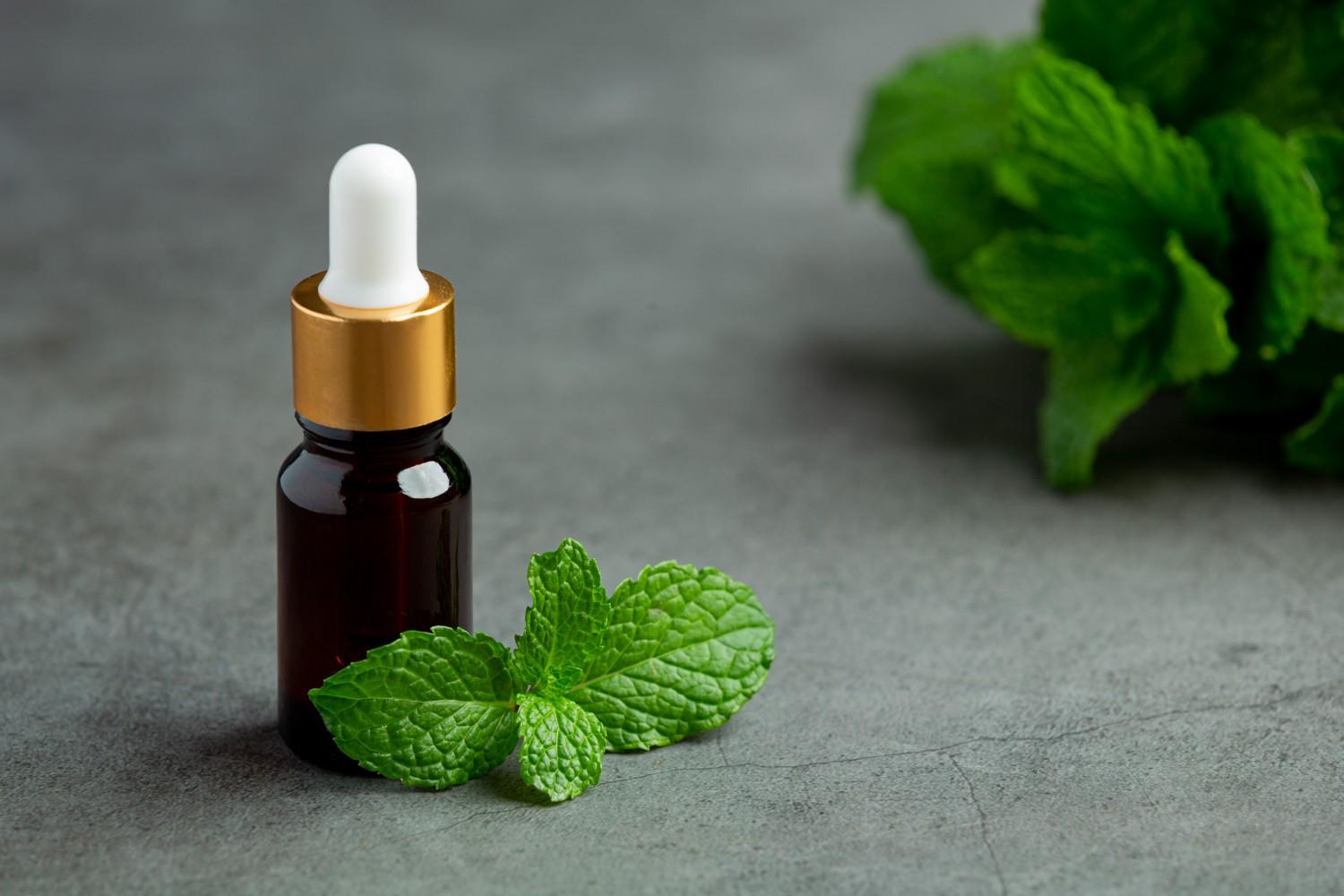

Peppermint oil has gained attention for its potential benefits beyond just aromatic properties. Many people are seeking natural solutions to enhance hair growth and health. With the increasing prevalence of hair loss and thinning hair, the quest for effective remedies has become more urgent. Peppermint oil stands out as a compelling option due to its unique properties that may stimulate hair follicles and promote growth.
The natural world offers a plethora of solutions, and peppermint oil is no exception. Its invigorating scent is often associated with freshness and vitality, but its benefits extend far beyond mere fragrance. Packed with menthol and various bioactive compounds, peppermint oil may provide a multi-pronged approach to hair health. The combination of its stimulating effects and nourishing properties makes it an intriguing candidate for those looking to improve hair vitality.
Incorporating peppermint oil into your hair care routine can be both simple and effective. The challenge lies in understanding how to use it properly to achieve the best results. From dilution to application techniques, knowing the right steps can significantly enhance the effectiveness of this essential oil.
The focus of this guide is to explore how peppermint oil can serve as a natural boost for hair growth. By delving into practical applications, scientific mechanisms, and common pitfalls, readers will uncover the full potential of this versatile oil for enhancing hair follicles and promoting a healthier mane.
Contents
How to Use Peppermint Oil for Real Results
- Best Form: Essential oil diluted with carrier oil
- Best Time: After washing hair
- Expected Result: Improved circulation and hair growth
Daily Scalp Massage
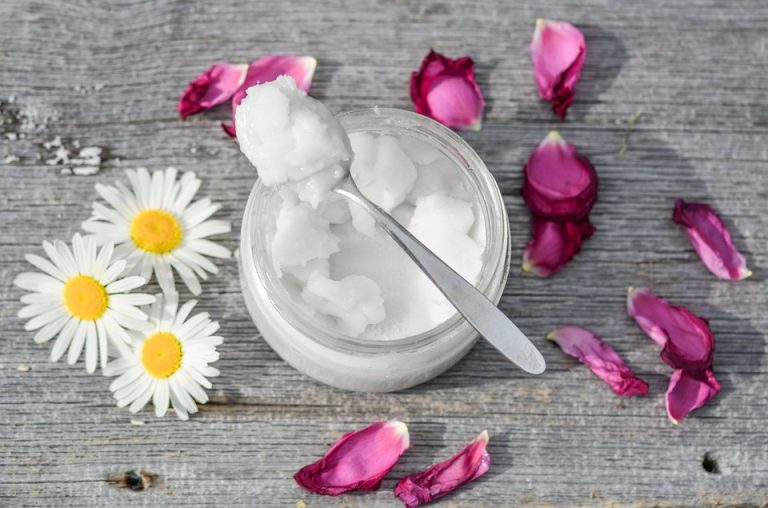
The Prep: Start by gathering your ingredients. You will need a few drops of peppermint oil and a carrier oil such as coconut or jojoba oil. Mix about three drops of peppermint oil into one tablespoon of the carrier oil. This dilution is important to ensure that the peppermint oil does not irritate the scalp.
The Action: Apply the mixture directly to your scalp using your fingertips. Begin at the crown and work your way down to the nape of your neck. Use circular motions to massage the oil into your scalp for about five to ten minutes. Focus on areas where hair is thinning for maximum impact.
The Feeling: As you massage, you will likely feel a cooling sensation from the peppermint oil. This tingling effect indicates increased blood flow to the scalp. The sensation can last for several minutes, leaving your scalp feeling refreshed and invigorated.
Pro Tip: Consistency is key. Aim for this scalp massage at least three times a week for optimal results.
Hair Growth Treatment
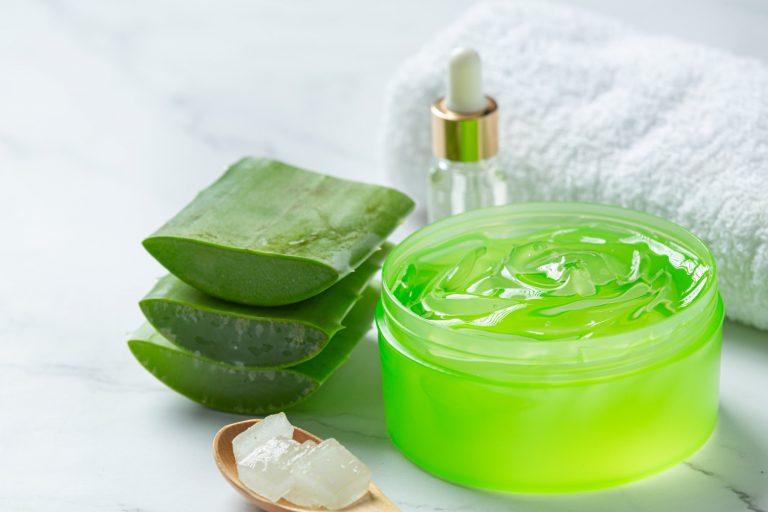
The Prep: For a more intensive treatment, combine peppermint oil with aloe vera gel. Mix two tablespoons of aloe vera gel with five drops of peppermint oil in a bowl. This combination not only nourishes the hair but also provides hydration to the scalp.
The Action: Apply the mixture throughout your hair, focusing on the roots and scalp. Leave it on for about 30 minutes before washing it out with a gentle shampoo. This treatment can be performed once a week for the best results.
The Feeling: You may experience a refreshing cooling effect as the peppermint oil penetrates the scalp. The aloe vera will provide a soothing sensation, making this treatment feel both refreshing and calming.
Pro Tip: For added benefits, consider using this treatment during a warm shower to enhance absorption.
Invigorating Hair Rinse
The Prep: Prepare a hair rinse by mixing two cups of water with five drops of peppermint oil in a spray bottle. Shake well to ensure the oil is evenly distributed. This rinse can be used after shampooing to enhance hair health.
The Action: After washing your hair, spray the peppermint oil rinse onto your scalp and hair. Massage it in gently, allowing it to sit for a few minutes before rinsing with cool water. This rinse can be used once a week to refresh and invigorate your hair.
The Feeling: The rinse will leave your hair feeling clean and revitalized. The cooling sensation will also linger, providing a refreshing experience that can uplift your mood.
Pro Tip: Experiment with adding other essential oils like rosemary or lavender for additional benefits.
Avoiding Common Pitfalls
Using Low-Quality Oils
Using low-quality peppermint oil can significantly diminish its effectiveness. Many products on the market contain synthetic additives or fillers that can irritate the scalp. Always opt for pure essential oils that are labeled as therapeutic grade to ensure you receive the full benefits.
To avoid this mistake, research brands and read reviews. Look for oils that have been third-party tested for purity. Investing in high-quality peppermint oil will provide better results and enhance the overall experience.
Neglecting Dilution
Applying peppermint oil directly to the scalp without dilution can lead to irritation and discomfort. The concentrated nature of essential oils means they can be potent and potentially harmful if not used correctly. Dilution with a carrier oil is essential for safe application.
Always follow the recommended dilution ratios. Typically, three to five drops of peppermint oil per tablespoon of carrier oil is a safe guideline. This practice will maximize the benefits while minimizing any adverse reactions.
Inconsistent Application
Inconsistency in application can hinder the effectiveness of peppermint oil in promoting hair growth. Treating your scalp with peppermint oil once in a while will not yield the desired results. It is crucial to establish a routine to see significant improvements.
Set reminders for your applications. Whether it’s a weekly treatment or a daily massage, creating a schedule can help you stay committed. Consistent use is key to maximizing the potential benefits of peppermint oil for hair growth.
The Science Behind Hair Growth
Peppermint oil exhibits biological mechanisms that can stimulate hair growth. The primary action occurs through increased blood circulation in the scalp. When applied, peppermint oil enhances blood flow, delivering essential nutrients to hair follicles. This boost in circulation can lead to healthier hair growth and improved follicle activity.
Menthol, a key compound in peppermint oil, plays a significant role in its effectiveness. Menthol works by activating certain receptors in the skin that facilitate vasodilation. This process widens blood vessels, improving circulation and nutrient delivery to the scalp. As a result, hair follicles receive the support they need to thrive.
Clinical evidence supports the efficacy of peppermint oil in promoting hair growth. A study published in the journal PubMed demonstrated that peppermint oil significantly increased hair growth in mice after four weeks of treatment. This finding is promising and suggests that peppermint oil may have a similar effect in humans, warranting further exploration.
Choosing the Right Product
– **Potency:** Higher potency oils tend to have more active compounds that can enhance effectiveness. Look for oils with a high menthol concentration for optimal benefits.
– **Purity:** Pure essential oils without additives are crucial for safety and effectiveness. Always check for quality certifications or third-party testing to ensure you are getting a pure product.
– **Form:** Peppermint oil is available in various forms, including pure essential oil and blends. Choose the form that best suits your application method for maximum convenience and effectiveness.
Benefits vs Risks
| The Benefits | Potential Downsides |
|---|---|
| Stimulates hair follicles and promotes growth. | May cause irritation if not diluted properly. |
| Improves blood circulation to the scalp. | Can lead to allergic reactions in sensitive individuals. |
| Provides a refreshing and invigorating sensation. | Overuse can lead to dryness or discomfort. |
Healthy Habits to Enhance Results
Incorporating a balanced diet rich in vitamins and minerals can significantly boost hair health. Foods high in omega-3 fatty acids, like salmon and walnuts, can support scalp health. Additionally, staying hydrated is essential for maintaining hair moisture and vitality.
Regular exercise also contributes to improved circulation, which benefits hair follicles. Engaging in physical activity helps to oxygenate the blood and deliver nutrients more effectively to the scalp.
Who Should Avoid This?
– Pregnant or nursing women
– Individuals with sensitive skin or allergies to mint
– Those with certain medical conditions, such as epilepsy
Common Questions
Can peppermint oil cause hair loss?
No, peppermint oil is generally used to promote hair growth. However, improper use can lead to scalp irritation, which may contribute to hair loss.
How often should I use peppermint oil on my hair?
Using peppermint oil three times a week is recommended for optimal results.
Can I mix peppermint oil with other essential oils?
Yes, peppermint oil can be effectively combined with other essential oils like rosemary or lavender for enhanced benefits.
Is peppermint oil safe for all hair types?
Peppermint oil is typically safe for most hair types. However, individuals with sensitive scalps should perform a patch test before full application.
Final Thoughts on Peppermint Oil for Hair Growth
Peppermint oil has the potential to serve as an effective natural remedy for enhancing hair growth.
- The Truth: Results may vary based on individual hair types and conditions.
- The Strategy: Regular application and proper dilution are essential for maximizing benefits.
- The Next Step: Incorporate other hair-healthy habits like a balanced diet and regular exercise.
Get Your FREE Natural Health Guide!
Subscribe now and receive our exclusive ebook packed with natural health tips, practical wellness advice, and easy lifestyle changes, delivered straight to your inbox.