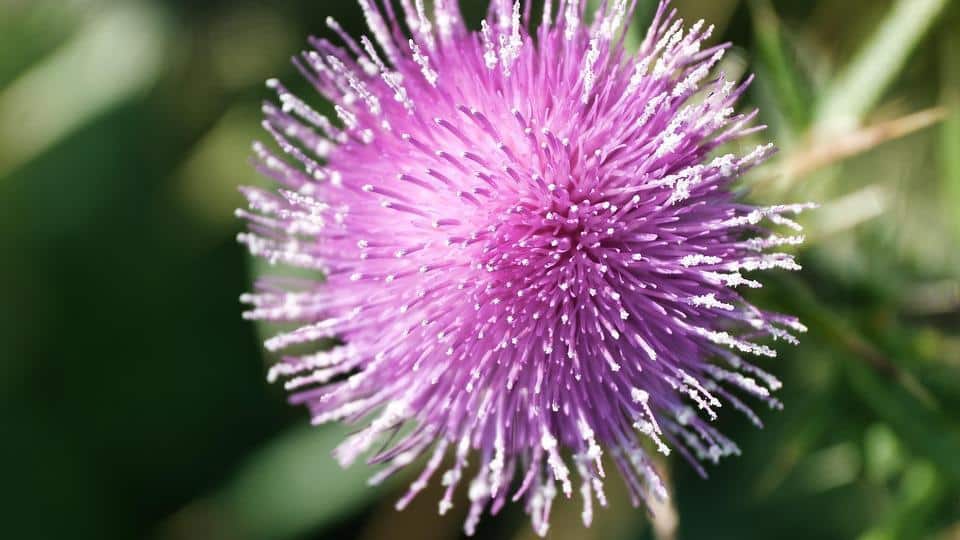

Unveiling Milk Thistle for Liver Cleanse: A Natural Approach
The liver performs numerous essential functions, acting as a central hub for metabolic processes and nutrient distribution. Maintaining its health is fundamental for overall wellness.
Many individuals explore natural methods to support this vital organ. Among the botanicals often discussed, milk thistle for liver cleanse stands out as a subject of widespread interest, celebrated for its historical use.
This comprehensive guide delves into milk thistle’s properties, its primary active compounds, and how it may gently support liver function, offering insights into its traditional and contemporary applications.
The Enduring Legacy of Milk Thistle in Wellness Practices
Milk thistle, scientifically known as Silybum marianum, has a rich history tracing back over two millennia. Ancient Roman and Greek naturalists documented its use, often highlighting its connection to supporting liver and gallbladder health.
For centuries, traditional herbalists in Europe primarily relied on milk thistle’s seeds and leaves. They prepared tinctures, teas, and poultices, believing these preparations offered broad supportive qualities for various bodily systems.
The plant’s distinctive purple flowers and thorny leaves made it easily recognizable. Its use transcended geographical boundaries, becoming a staple in diverse traditional health systems, from Mediterranean regions to more northern European traditions.
This extensive historical application forms the foundation for modern scientific exploration. Researchers today investigate the specific compounds responsible for milk thistle’s long lauded attributes.
The consistent appearance of milk thistle in historical texts as a liver-supportive herb underscores its established reputation. It reflects a long-held understanding of its potential benefits, passed down through generations.
- Key Historical Uses: General liver support, digestive aid, promoting overall vitality.
- Traditional Applications: Decoctions from seeds, leaf preparations, herbal teas.
- Geographical Spread: Widely used across Europe and parts of Asia.
Understanding Traditional Use
Traditional practices often focused on whole plant synergy, where all parts of the plant were believed to contribute to its overall efficacy.
Silymarin: The Core Constituent of Milk Thistle’s Potential
The primary active component responsible for much of milk thistle’s reputation is a complex of compounds known as silymarin. This isn’t a single substance but a group of closely related flavonoid lignans.
Within the silymarin complex, silybin is typically the most abundant and biologically active component. Other important compounds include silychristin and silydianin, all working in concert.
These compounds are concentrated in the fruit and seeds of the milk thistle plant. Modern extraction techniques focus on isolating and standardizing silymarin content to ensure consistent potency in wellness products.
Standardized milk thistle extracts typically specify a certain percentage of silymarin, often ranging from 70% to 80%. This standardization ensures that each serving delivers a consistent amount of the key active compounds.
The intricate chemical structure of these flavonoid lignans provides the basis for their potential interactions within the body. Their unique configuration is a subject of ongoing scientific interest regarding how they may support various physiological processes.
- Primary Active Compound: Silymarin, a complex of flavonolignans.
- Key Flavonolignans: Silybin (most active), silychristin, silydianin.
- General Function: Believed to contribute to cellular protection and overall liver wellness.
Exploring Bioavailability
Optimizing the absorption of silymarin is a frequent discussion point among natural health professionals, as some forms may be more readily utilized by the body.
How Milk Thistle May Offer Support for Liver Wellness
Milk thistle is widely recognized for its potential in supporting the liver’s natural capacities. It is often associated with properties that help maintain cellular integrity, particularly in the face of oxidative challenges.
The compounds within silymarin are frequently discussed for their characteristics that help balance cellular processes. This support contributes to the liver’s ability to maintain its normal functions, which are critical for processing various substances in the body.
One area of focus involves supporting the stability of cell membranes. Maintaining strong cell membranes is a foundational aspect of cellular health and function, especially for cells as active as those in the liver.
Furthermore, discussions sometimes involve milk thistle’s potential to assist in the body’s natural antioxidant defense systems. Antioxidants help protect cells from environmental stressors, supporting long term cellular well-being.
This educational information is not a substitute for medical advice. People with underlying conditions often work with a qualified healthcare professional for personalized guidance.
- Key Supportive Actions: Supports cellular integrity, contributes to antioxidant defense.
- Associated Benefits: Helps maintain balanced cellular processes, supports liver’s natural functions.
- Area of Focus: Promoting overall liver wellness and cellular resilience.
Daily Integration Considerations
Consistent, mindful integration of milk thistle into a wellness routine can be a valuable part of supporting the liver over time.
| Component | Description | General Focus of Support |
|---|---|---|
| Silybin | Often the most abundant and extensively studied flavonolignan in milk thistle. | Strongly associated with supporting cellular integrity and natural antioxidant processes. |
| Silychristin | Another significant flavonolignan, contributing to the overall complex. | Works in conjunction with other silymarin components to support general liver health. |
| Silydianin | A third prominent flavonolignan found in the milk thistle seed extract. | Adds to the broad spectrum of supportive properties attributed to the silymarin complex. |
| Isosilybin | An isomer of silybin, present in smaller quantities but still active. | Contributes to the diverse array of beneficial compounds in the extract. |
Exploring Different Forms of Milk Thistle
Milk thistle is available in various forms, each offering different characteristics and potential advantages for absorption and convenience. The most common form is a standardized extract derived from the seeds.
Standardized extracts are formulated to contain a specific concentration of silymarin, ensuring consistency in potency. This allows for a more predictable intake of the active compounds compared to whole, unstandardized plant material.
Some preparations utilize advanced delivery systems, such as liposomal forms. These formulations aim to enhance the bioavailability of silymarin, potentially increasing the amount of the compound that the body can utilize.
Other forms include raw milk thistle seeds, which can be ground and added to foods, or teas brewed from the leaves and seeds. These traditional methods offer a gentler, less concentrated approach.
When selecting a milk thistle product, it’s beneficial to consider the standardization of silymarin and the overall quality of the extract. Understanding the form helps individuals align their choice with their personal wellness goals.
- Common Forms: Standardized seed extracts, liposomal formulations, whole seeds, teas.
- Standardization Details: Extracts often standardize to 70-80% silymarin content.
- Absorption Considerations: Liposomal forms are sometimes discussed for potentially enhanced bioavailability.
Selecting a Suitable Form
Choosing the right milk thistle form involves considering individual preferences for convenience, perceived effectiveness, and desired concentration.
Addressing Common Misconceptions About Liver Support
The concept of a “liver cleanse” or “detox” often carries misconceptions, particularly regarding rapid or aggressive interventions. It’s important to approach liver support with a grounded, informed perspective.
One common misunderstanding is the belief in a quick fix for liver issues. The liver is a resilient organ, and true support often involves consistent, long term lifestyle choices rather than sudden, dramatic protocols.
Aggressive “detox” products sometimes claim to flush toxins rapidly, but the liver already possesses sophisticated, built in mechanisms for processing substances. Supporting these natural processes is usually a gentle, ongoing effort.
Another misconception suggests that only specific, elaborate diets can “cleanse” the liver. While nutrition is vital, a balanced diet and healthy lifestyle habits are more impactful than short term, restrictive plans.
Real liver wellness stems from a combination of prudent dietary choices, regular physical activity, adequate hydration, and limiting exposure to environmental stressors, not solely from a single supplement or quick program. This information is educational and not a substitute for medical advice.
- Myth 1: Rapid, aggressive “liver cleanses” are necessary for health.
- Reality 1: The liver has natural filtering systems; consistent lifestyle support is key.
- Myth 2: A single product can “detoxify” the liver entirely.
- Reality 2: Overall wellness, diet, and lifestyle are primary drivers of liver health.
Embracing a Holistic Perspective
A comprehensive approach that incorporates milk thistle alongside balanced nutrition and an active lifestyle typically yields the most supportive outcomes for liver wellness.
The Role of Antioxidants and Cellular Health
The liver is constantly working, processing nutrients, filtering substances, and managing metabolic byproducts. This intense activity can sometimes generate reactive oxygen species, leading to what is known as oxidative stress.
Antioxidants are compounds that help mitigate the effects of oxidative stress by neutralizing these reactive species. Maintaining a robust antioxidant defense system is crucial for cellular health, especially in an active organ like the liver.
Silymarin, the active complex in milk thistle, is frequently discussed for its potential to contribute to the body’s natural antioxidant network. This characteristic aligns with its historical use in supporting overall vitality.
By helping to maintain cellular stability, milk thistle may indirectly support the liver’s extensive array of functions. This includes the various enzymatic pathways involved in its daily operations.
Research, such as that highlighted by the National Center for Complementary and Integrative Health, explores how milk thistle interacts with these biological processes, underscoring its relevance in discussions of natural health support.
- Primary Function: Contributes to the body’s natural antioxidant defense.
- Cellular Impact: Helps maintain cellular integrity and stability within the liver.
- Overall Benefit: Supports the liver’s capacity to perform its various functions effectively.
Supporting Daily Functions
Incorporating milk thistle can be part of a broader strategy to support the liver’s continuous and demanding daily functions.
Frequently Asked Questions
Is milk thistle effective for everyone seeking liver support?
Individual responses to milk thistle can vary, as with any natural compound. Many people find it a beneficial addition to their wellness routine, while others may experience different outcomes. It’s always beneficial to discuss any new supplement with a qualified healthcare professional, especially if you have existing health considerations.
How long should someone use milk thistle for general wellness?
The duration for incorporating milk thistle into a wellness regimen depends on individual goals and preferences. Some individuals choose to use it consistently over extended periods, while others may opt for shorter, periodic use. People with underlying conditions often work with a qualified healthcare professional for personalized guidance on such matters.
Can milk thistle be combined with other lifestyle wellness practices?
Yes, milk thistle is often viewed as a complementary component within a broader healthy lifestyle. It pairs well with practices such as maintaining a balanced diet, engaging in regular physical activity, ensuring adequate hydration, and prioritizing restful sleep. These holistic approaches collectively contribute to overall liver and body wellness.
What are some considerations when choosing a milk thistle supplement?
When selecting a milk thistle supplement, consider products that are standardized to a specific percentage of silymarin, often 70-80%. This ensures a consistent and known concentration of the active compounds. Looking for forms that may enhance bioavailability, such as liposomal preparations, can also be a consideration for some individuals.
The Bottom Line
Milk thistle, with its primary active complex silymarin, holds a respected position in natural health for its historical and contemporary associations with liver wellness. Its properties, particularly its potential to support cellular integrity and contribute to antioxidant defense, make it a compelling subject for those interested in gentle, consistent liver support.
Consider discussing milk thistle with your healthcare provider to understand if it aligns with your personal wellness objectives and health profile.
Get Your FREE Natural Health Guide!
Subscribe now and receive our exclusive ebook packed with natural health tips, practical wellness advice, and easy lifestyle changes, delivered straight to your inbox.