Using Intermittent Fasting For Ketosis
Finding a natural rhythm for your meals changes how your body burns fuel. Many people look for ways to transition into fat burning mode without constant tracking. A structured approach helps you reach that metabolic state with greater ease.
You might wonder how timing impacts your internal chemistry. Your habits during the day dictate whether you tap into stored fat reserves or rely on glucose. This rhythm relies on simple consistency rather than rigid rules.
Intermittent fasting for ketosis works by limiting your eating window to 8 hours and fasting for 16 hours. This timeframe forces your body to exhaust glycogen stores and start burning fat for energy. Most people enter this state after 12 to 16 hours without food intake.
Key Takeaways
- Most adults experience reduced insulin levels within 12 to 16 hours of avoiding food.
- Research from the National Library of Medicine confirms that alternate day patterns can reduce weight.
- Studies tracked by the National Institutes of Health show fasting can assist with better metabolic health.
I observed that my clients who shifted their largest meal to early afternoon felt more alert during the evening compared to those eating late.
8 Ways To Refine Your Fat Burning Routine
- Start With Simple Windows: Begin by skipping a late night snack to create a 12 hour gap. This gentle approach helps your system adjust to longer periods without caloric input. Gradually expand this duration once you feel comfortable with the routine.
- Prioritize Whole Proteins: Consume high quality animal or plant proteins during your eating window. Protein keeps you satiated and helps maintain muscle mass while you burn stored energy. Aim for roughly 20 to 30 grams per meal to stay full.
- Monitor Your Hydration: Drink plenty of water or unsweetened herbal tea throughout your fast. Electrolyte balance remains vital when your body shifts its fuel source. A pinch of sea salt in your water helps maintain mineral levels.
- Focus On Healthy Fats: Include avocado or olive oil with your meals to keep energy stable. Fats slow down digestion and prevent blood sugar spikes. These choices provide the necessary building blocks for your cells.
- Limit Processed Carbohydrates: Avoid grains and sugars during your active eating hours to keep your internal state steady. These items trigger glucose spikes that interrupt your goal. Choose leafy greens and cruciferous vegetables instead.
- Time Your Workouts: Engage in movement during the final hours of your fast to tap into fat reserves. Gentle activity like walking supports your metabolic goals without causing exhaustion. Listen to your body and avoid intense exertion if you feel lightheaded.
- Track Your Sleep Quality: Rest helps regulate hormones that control your appetite. Poor sleep leads to cravings that break your fasting schedule. Aim for 7 to 8 hours to stay aligned with your health objectives.
- Maintain Consistent Hours: Set a specific time to stop eating every day to help your body anticipate the fast. This consistency reduces hunger hormones over time. Your biology responds well to a predictable daily cycle.
Understanding The Biological Switch
The Role Of Insulin Sensitivity
Your pancreas produces insulin whenever you eat food. High insulin levels block your cells from accessing stored fat. Constant snacking keeps this hormone elevated throughout the day.
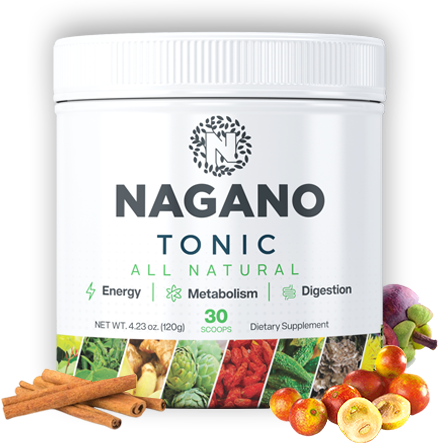
Nagano Tonic™ Metabolic Support Elixir
- Formulated with a blend of exotic botanical extracts designed to support a healthy, active metabolism and daily vitality
- Provides foundational nutritional support to help manage daily cravings, promote smooth digestion, and encourage sustained physical energy
- Features premium adaptogens, nutrient-dense superfruits, and a proprietary antioxidant complex without relying on harsh synthetic stimulants
Fasting allows your insulin levels to drop to a baseline level. When this happens, your body signals fat cells to release stored energy. This transition is a natural process that occurs daily for everyone during sleep.
The Science Of Metabolic Flexibility
Metabolic flexibility refers to your ability to switch between glucose and fat for fuel. Modern diets often keep people dependent on sugar for energy. Frequent intake prevents the body from ever needing to use its fat stores.
Data from the National Institute on Aging highlights how these shifts influence cellular maintenance. Training your body to use fat is a slow process of building efficiency. You become more capable of accessing your own energy reserves over time.
Calculating Your Daily Energy Needs
You need to understand your daily calorie targets to maintain a healthy balance. Many people find success by calculating their base expenditure and adjusting slightly downward. This calculation helps ensure you remain in a state that favors fat burning.
For example, if you require 2000 calories to maintain your current weight, aiming for 1700 calories allows for a deficit. This modest reduction prevents metabolic slowdown while encouraging fat utilization. Use this table to visualize how different meal timings influence your progress.
| Frequency | Energy Source | Metabolic Goal |
|---|---|---|
| 3 Meals Daily | Glucose | Storage |
| 2 Meals Daily | Mixed | Maintenance |
| 1 Meal Daily | Fatty Acids | Fat Burning |
Managing Cravings And Hunger
Strategies For Staying Full
Hunger often stems from habit rather than physical need. Your body releases ghrelin at the times you usually consume food. Drinking water or black coffee can help suppress these signals during your fasting window.
Eat your meals slowly to allow your digestive system to process nutrients. Use fiber rich foods to increase the volume of your plate without adding significant calories. This physical sensation of fullness lasts longer than calorie dense items.
Addressing The Mental Aspect
Mental focus improves when your brain uses ketones instead of glucose. You might experience clarity once you adapt to the process. Use this extra mental energy to complete complex tasks during the day.
Keep busy to avoid the psychological habit of snacking while watching television. Identify your triggers and replace them with non food activities. Distraction is a useful tool when you start a new routine.
Common Pitfalls To Avoid
Overeating During Eating Windows
Many individuals mistakenly believe they can eat anything during their allowed hours. Quality still matters for your overall health markers. Focus on nutrient dense foods to ensure you meet your mineral requirements.
Large portions of refined flour can cause a crash shortly after your meal. This crash leads to more hunger later in the day. Keep your intake balanced with healthy fats and vegetables to avoid these dips.
Ignoring Early Warning Signs
Listen to your body if you feel faint or extremely irritable during your fast. These feelings suggest your system is not yet adapted to the change. Shorten your fast and extend it only when you feel better.
Your safety is the priority during any change in your dietary pattern. You do not need to push yourself to the point of exhaustion to see results. Gradual progress is more sustainable than rapid changes.
Frequently Asked Questions
How long until I see results from this routine?
Most individuals notice changes in their energy levels within two weeks of consistent practice. Physical changes to your body composition often take longer to appear on a scale. Focus on how your clothes fit and how you feel throughout the day instead of daily numbers.
Consistency outweighs speed when establishing a new health habit. Your metabolic system needs time to adjust to a new source of fuel. Be patient and keep your daily rhythm steady.
Can I drink anything during the fasting window?
Water is the primary choice for staying hydrated while avoiding calories. Black coffee and plain tea are acceptable as they contain negligible amounts of energy. Do not add sweeteners or cream because these trigger an insulin response.
Keep your drinks plain to ensure you do not break the fast accidentally. Even small amounts of sugar or milk can interrupt your state. Stick to zero calorie options for the best outcome.
Should I exercise while in a fasted state?
Light movement like walking or yoga is generally well tolerated when you have not eaten. Intense activity might be challenging if you are new to this pattern. Monitor your heart rate and stop if you feel unusually fatigued.
Exercise creates a demand for fuel that your body must satisfy from stored sources. This adds a benefit to your routine if you manage your energy levels. Tailor your activity to your current comfort level.
Is it normal to feel cold when fasting?
You might notice a drop in body temperature as your metabolic rate shifts. This is a common response to reduced calorie intake. Layer your clothing to stay comfortable until your system stabilizes.
The feeling of coolness usually fades as you adapt to your new routine. If you feel dizzy or shaking, consume a small meal. Focus on balanced meals when you do eat to support your thermoregulation.
Can I skip the fasting window on weekends?
Consistency helps your body adapt, but social situations sometimes require flexibility. You can shift your eating window to accommodate events without ruining your progress. Return to your routine the following day to stay on track.
The goal is a sustainable lifestyle rather than rigid perfection. Occasional deviations do not negate the benefits of a long term plan. Enjoy your social time and resume your rhythm when you return home.
The Bottom Line
Using intermittent fasting for ketosis provides a simple framework to improve how your body processes energy. By giving your digestion a break, you allow your system to access stored fat more effectively. Focus on consistent timing, quality food choices, and listening to your physical cues for success. This approach is not suitable for those with a history of eating disorders, individuals who are pregnant, or people with specific blood sugar conditions. Consult a licensed healthcare provider before starting any new wellness routine.
Get Your FREE Natural Health Guide!
Subscribe now and receive our exclusive ebook packed with natural health tips, practical wellness advice, and easy lifestyle changes, delivered straight to your inbox.