
Understanding How The Vagus Nerve Controls Your Digestive Speed And Gut Rhythms
I feel a sense of relief when my body finds its natural rhythm after a heavy meal. We often overlook the silent conductor orchestrating the movement of nutrients through our system from the moment we take the first bite.
The intricate link between the brain and the belly serves as a primary driver for metabolic efficiency. This complex network communicates via chemical signals to ensure that everything flows at the correct tempo for optimal absorption.
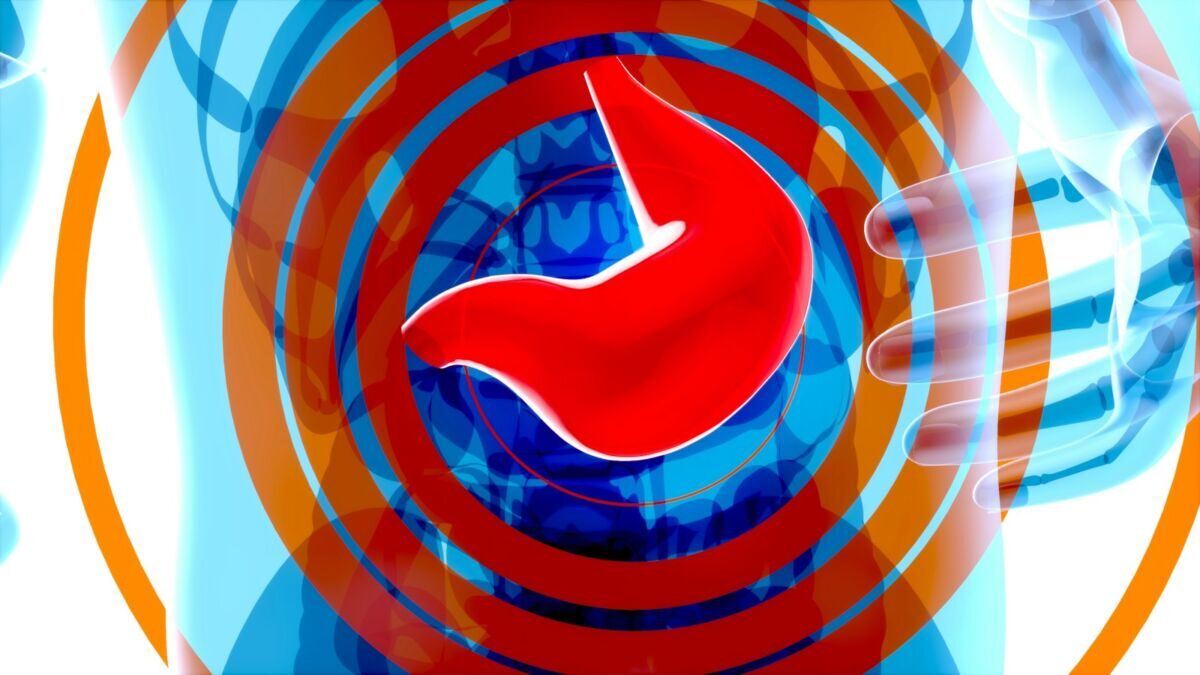
How the vagus nerve controls your digestive speed involves sending electrical pulses from the brainstem to the smooth muscles of the stomach and intestines. These signals trigger the release of gastric juices and coordinate the rhythmic contractions known as peristalsis that push food through the tract.
Key Takeaways
- Nerve signaling pathways operate at a frequency that directly dictates the velocity of gastric emptying within a normal 2 to 4 hour window.
- Autonomic balance shifts can alter transit time by up to 30 percent during periods of prolonged mental strain or nervous system dysregulation.
- Neurotransmitter regulation accounts for the release of crucial enzymes that break down macros into usable cellular fuel.
The Anatomy Of Gut Brain Communication
The cranial nerve responsible for these functions travels extensively throughout the torso. It acts as a bidirectional superhighway carrying sensory data back to the central nervous system.
When you consume a meal, the stomach stretches and sends an immediate report to the brain. This feedback loop ensures that the brain releases the appropriate amount of acid to match the incoming volume of food.
Research from the National Institutes of Health indicates that this pathway is essential for maintaining a stable internal environment. Without this constant dialogue, the digestive process would lack the necessary coordination to avoid stagnation.
Identifying Signs Of Sluggish Transit Times
Many people notice that their energy levels fluctuate based on the timing and quality of their food intake. A slower pace of movement through the gut often results in a feeling of fullness that lasts long after a meal.
You might notice bloating or discomfort when the communication between your brain and gut slows down. This creates a bottleneck that prevents nutrients from reaching the bloodstream efficiently.
| Metric | Optimal State | Sluggish State |
|---|---|---|
| Transit duration | Stable timing | Delayed pacing |
| Gastric pressure | Minimal sensation | Increased tension |
| Absorption rate | Efficient uptake | Reduced efficiency |
Factors That Influence Nerve Signaling Consistency
The environment in which you eat plays a massive role in how these signals propagate. Eating while distracted or stressed creates an adversarial state for the nervous system.
The body naturally prioritizes survival over nutrient breakdown during high pressure scenarios. This shift diverts energy away from the digestive organs and toward the skeletal muscles.
Simple habits like sitting down to eat and taking deep breaths can signal safety to the brain. This allows the system to focus its resources on mechanical and chemical breakdown of food.
Practical Strategies For Supporting Gut Pacing
You can encourage better communication by incorporating specific movements into your routine. Gentle stretching helps to physically massage the abdominal area and stimulate the nerve endings located in the gut lining.
The following list provides items that support a healthy rhythm:
- Mindful mastication involves chewing every bite until it reaches a liquid consistency to reduce the workload on the stomach.
- Diaphragmatic breathing creates a gentle internal movement that stimulates the nerve branches supplying the digestive organs.
- Regular hydration ensures the mucosal lining of the tract stays supple enough to facilitate smooth passage of material.
Academic sources from UCLA Health emphasize that the gut contains a vast network of neurons capable of operating independently. Supporting this local intelligence remains a priority for long term wellness.
Calculating Your Meal To Energy Timeline
Understanding the tempo of your own biology requires tracking the time between eating and the onset of energy spikes. You can use a simple log to identify your personal patterns.
Calculate your transit efficiency by recording the following values:
- Start time of the meal consumption.
- Initial satiety signal arrival time.
- Energy peak observation point.
If the gap between eating and feeling a sustained energy lift exceeds four hours regularly, consider adjusting your fiber intake or hydration. Monitoring these figures over one week reveals how responsive your internal rhythms are to specific food choices.
The Role Of Nutrient Density In Nerve Function
The nerve cells rely on specific minerals to fire accurately. Magnesium and B vitamins play a central role in maintaining the integrity of the nerve pathways involved in gut motility.
Inadequate intake of these building blocks can lead to a communication breakdown. This often manifests as inconsistent feelings of hunger or fullness.
Data provided by Harvard University suggests that the diversity of your diet directly shapes the health of the nervous system. A wide range of whole foods provides the necessary cofactors for smooth signal transmission.
Frequently Asked Questions
Can I improve how my gut communicates with my brain?
Improving the connection involves simple lifestyle adjustments that signal safety to your nervous system. By prioritizing calm meal environments and consistent sleep patterns, you help regulate the signals traveling between your midsection and your brain.
Focusing on slow, rhythmic breathing before you begin your meal is a gentle method to nudge your system into a state of rest and repair. This shift makes it easier for the nervous system to coordinate the complex movements required for healthy digestion.
Does exercise change the speed of digestion?
Physical activity acts as a regulator for internal transit by stimulating the muscles involved in movement. Light movement like walking after a meal assists in the mechanical process of food passage through the intestines.
High intensity exertion, however, may temporarily slow things down as the body redirects blood flow to the limbs. Finding a balance that keeps you active without causing internal stress is the best way to support your natural rhythm.
What role does hydration play in gut pacing?
Water is essential for the lubrication and movement of contents through the long winding path of the digestive tract. Adequate fluid levels allow for the formation of a soft, consistent bolus that moves through the system without obstruction.
Dehydration forces the muscles to work much harder to push contents along, which can result in feelings of sluggishness or localized discomfort. Keeping a consistent water intake throughout the day helps maintain the fluidity required for optimal performance.
Are there specific foods that speed up the process?
Fiber rich foods provide the bulk necessary to trigger the stretch receptors that initiate contraction signals. Vegetables, legumes, and whole grains create the internal pressure needed to keep the system moving forward at a steady pace.
Pairing these fibrous foods with sufficient water intake is the most effective way to encourage a smooth and timely exit. Sudden changes to your fiber intake can cause temporary issues, so increase your portions gradually over a few weeks.
How do sleep patterns affect gut timing?
Your internal clock, which regulates wakefulness and rest, is intrinsically linked to the pacing of your digestion. Poor sleep disrupts the hormonal release that keeps the gut moving in sync with your daily activities.
When you maintain a consistent schedule for sleeping and waking, you provide the nervous system with the stability it needs to function well. Aligning your meals with your natural energy peaks supports a more predictable and efficient transit time.
The Bottom Line
How your vagus nerve sets the pace of digestion is a testament to the elegant complexity of the human body. By paying attention to the signals your gut sends, you can cultivate a more harmonious relationship with your internal rhythms.
Start your journey toward better awareness by keeping a simple log of your meal timing and subsequent physical feelings. Observing these patterns provides the clarity needed to make adjustments to your routine. Consult a licensed healthcare provider before starting any new wellness routine.
Never stop or change any medication without consulting the provider who recommended it.
Get Your FREE Natural Health Guide!
Subscribe now and receive our exclusive ebook packed with natural health tips, practical wellness advice, and easy lifestyle changes, delivered straight to your inbox.