
Turmeric, often hailed as a golden spice, has been a staple in kitchens around the world, particularly in South Asian cuisine. However, its benefits extend far beyond culinary applications. As someone who has spent years researching natural health remedies, I’ve discovered that turmeric can play a significant role in promoting hair health. In this article, we’ll explore how to harness the power of turmeric for your hair, share practical applications, and dive into the science behind its benefits.
Contents
The Golden Spice: A Brief Overview
A Cultural Context
Turmeric (Curcuma longa) has been used for thousands of years in traditional medicine, particularly in Ayurveda and Traditional Chinese Medicine. Its vibrant yellow hue comes from curcumin, a compound known for its anti-inflammatory, antioxidant, and antimicrobial properties. In many cultures, turmeric is not just a spice but a symbol of health and wellness, often used in rituals and celebrations.
Surprising Statistics
Did you know that hair loss affects approximately 50% of women by age 50? This statistic highlights a growing concern for many women worldwide. With increasing interest in natural remedies, turmeric has emerged as a promising contender for promoting hair health.
The Science Behind Turmeric and Hair Health
Curcumin’s Role
Curcumin, the active ingredient in turmeric, has been linked to numerous health benefits. A peer-reviewed study published in the Journal of Cosmetic Dermatology found that curcumin may help stimulate hair growth and combat hair loss by enhancing blood circulation to the scalp. This increased blood flow can promote the delivery of nutrients to hair follicles, which is essential for healthy hair growth.
Antimicrobial Properties
Turmeric’s antimicrobial properties can also help combat dandruff and scalp infections. A healthy scalp is crucial for maintaining hair health, and turmeric can help create an environment that fosters growth and vitality.
Anti-inflammatory Effects
Inflammation can be a significant contributor to hair loss and scalp issues. Turmeric’s anti-inflammatory effects can soothe the scalp, reduce irritation, and create a balanced environment for hair growth.
How to Use Turmeric for Hair Health
Using turmeric for hair health can be done in various ways, from topical applications to dietary inclusion. Here are some practical methods:
1. Turmeric Hair Mask
One of the most effective ways to apply turmeric is through a hair mask. Here’s a simple recipe:
Ingredients:
- 2 tablespoons of turmeric powder
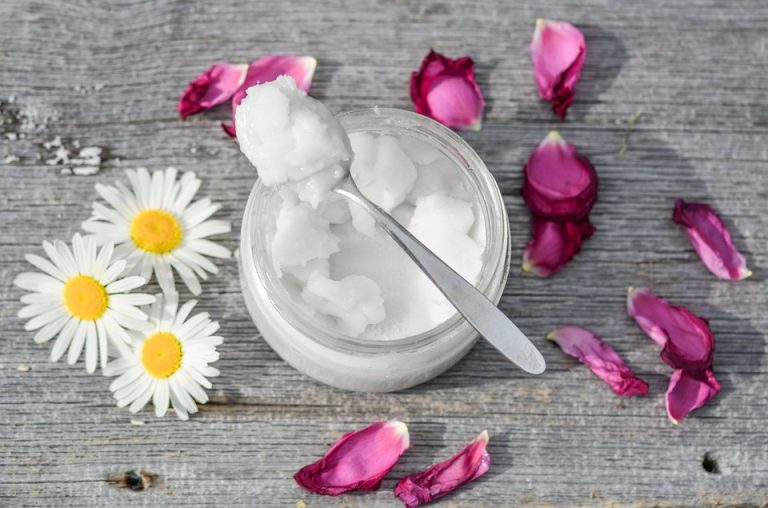
- 2 tablespoons of coconut oil (or olive oil)
- 1 tablespoon of honey (optional)
Instructions:
- Mix turmeric powder and coconut oil in a bowl until you achieve a smooth paste.
- Add honey for extra moisture if desired.
- Apply the mixture to your scalp and hair, focusing on the roots.
- Leave it on for 30 minutes to an hour.
- Rinse thoroughly with a mild shampoo.
Personal Observation: I’ve noticed that using this mask once a week not only nourishes my hair but also gives it a lovely shine.
2. Turmeric Oil Infusion
Infusing oils with turmeric can create a potent hair oil that you can use for massages.
Ingredients:
- 1 cup of coconut oil or olive oil
- 2 tablespoons of turmeric powder
Instructions:
- In a small saucepan, heat the oil over low heat.
- Add turmeric powder and let it simmer for about 20 minutes, stirring occasionally.
- Strain the mixture to remove the turmeric residue.
- Allow the oil to cool before storing it in a dark glass bottle.
Tip: Use this infused oil for a relaxing scalp massage to improve circulation and promote hair growth.
3. Turmeric in Your Diet
Incorporating turmeric into your diet can also benefit your hair from the inside out. You can start your day with a warm cup of turmeric tea or add it to your meals.
Simple Turmeric Tea Recipe:
- 1 teaspoon of turmeric powder
- 1 cup of water
- Honey and lemon to taste
Instructions:
- Boil water and add turmeric powder.
- Let it steep for 10 minutes.
- Strain and add honey and lemon if desired.
Caveat: While turmeric is generally safe, consuming it in excessive amounts can lead to digestive issues. Moderation is key.
4. Turmeric Rinse
A turmeric rinse can help maintain a healthy scalp and enhance shine.
Ingredients:
- 1 tablespoon of turmeric powder
- 2 cups of water
Instructions:
- Boil water and add turmeric powder.
- Let it cool and strain the mixture.
- Use it as a final rinse after shampooing.
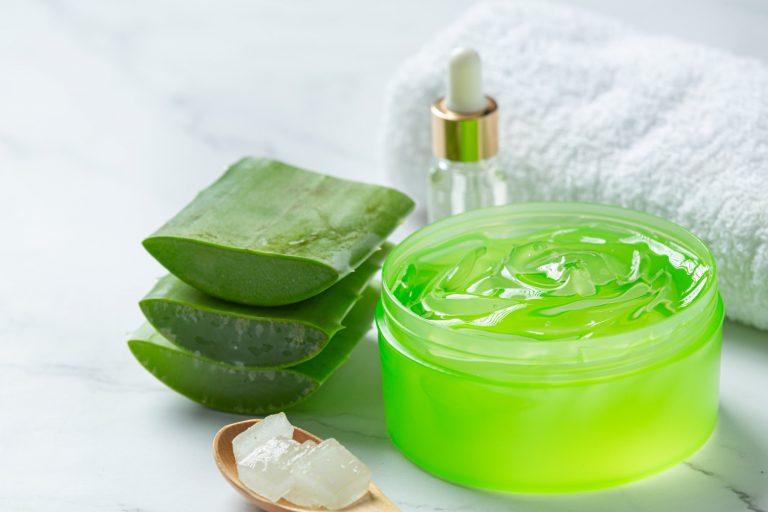
5. Turmeric and Aloe Vera Gel
Aloe vera is known for its soothing properties, and when combined with turmeric, it can create a powerful hair treatment.
Ingredients:
- 2 tablespoons of aloe vera gel
- 1 tablespoon of turmeric powder
Instructions:
- Mix the ingredients until you have a smooth paste.
- Apply it to your hair and scalp, leaving it on for 30 minutes.
- Rinse thoroughly.
Common Mistakes to Avoid
While turmeric is beneficial for hair health, there are a few common mistakes to watch out for:
1. Using Too Much Turmeric
More isn’t always better. Excessive amounts can lead to staining of the skin and hair. A little goes a long way.
2. Not Conducting a Patch Test
Before applying turmeric masks or oils, it’s essential to conduct a patch test to check for allergic reactions. Apply a small amount on your wrist and wait 24 hours.
3. Neglecting to Rinse Thoroughly
Turmeric can stain, so ensure you rinse thoroughly after application. Using a clarifying shampoo can help remove any residue.
Real-Life Examples
Case Study: Sarah’s Journey
Sarah, a 35-year-old mother of two, struggled with thinning hair after her pregnancies. Frustrated with commercial products, she turned to natural remedies. After incorporating turmeric masks and oil infusions into her routine, she noticed a significant improvement in her hair’s thickness and shine within a few months.
“I was skeptical at first, but now I can’t imagine my routine without turmeric,” she says. “It’s made a world of difference.”
Cultural Observations
In many cultures, particularly in India, turmeric is a common ingredient in hair care rituals. Local women often use it in combination with other natural ingredients like yogurt and fenugreek to enhance hair health. This age-old practice highlights turmeric’s versatility and efficacy.
Counterpoints and Caveats
While turmeric is celebrated for its benefits, it’s essential to recognize that results can vary. Some individuals may not experience the same level of improvement in their hair health. Additionally, the scientific research, while promising, is still limited.
For instance, while a study on curcumin’s effects on hair follicles shows potential, more extensive research is necessary to establish definitive conclusions.
FAQs
1. Can turmeric change hair color?
Turmeric has a natural yellow pigment that can stain hair, especially lighter shades. Use it cautiously if you have blonde or light-colored hair.
2. How often should I use turmeric for hair health?
Using turmeric masks or treatments once a week is generally recommended for optimal results.
3. Are there any side effects to using turmeric on hair?
While turmeric is safe for most, some individuals may experience allergic reactions. Always conduct a patch test before full application.
4. Can I use turmeric if I have colored hair?
Yes, but be cautious as it may affect the color. It’s best to consult with a hair care professional if you’re unsure.
5. Is it necessary to combine turmeric with other ingredients?
While turmeric can be effective on its own, combining it with other natural ingredients can enhance its benefits, such as adding moisturizing properties or additional nutrients.
A Holistic Perspective on Hair Health
While turmeric can be a fantastic addition to your hair care routine, it’s essential to take a holistic approach. A balanced diet, proper hydration, and stress management also play crucial roles in hair health. Consider integrating other natural remedies and practices, such as regular scalp massages and maintaining a healthy lifestyle.
Conclusion
In the quest for beautiful, healthy hair, turmeric offers a natural, effective solution. From masks to dietary inclusion, there are numerous ways to harness its benefits. As you embrace this golden spice, remember to stay patient; natural remedies often take time to show results.
So, why not give turmeric a try? You might just find that this humble spice becomes your hair’s new best friend.
Disclaimer: This article is for educational purposes only and does not replace professional medical guidance. Always speak with a qualified healthcare provider before making changes to your health routine.
References
-
Gupta, A., et al. (2020). “Curcumin: A Review of Its Effects on Hair Growth.” Journal of Cosmetic Dermatology. Link
-
National Institutes of Health. (2021). “Turmeric.” Link
-
Harvard Health Publishing. (2019). “The Health Benefits of Turmeric.” Link
Get Your FREE Natural Health Guide!
Subscribe now and receive our exclusive ebook packed with natural health tips, practical wellness advice, and easy lifestyle changes, delivered straight to your inbox.