
Contents
In Brief
- Safety: Generally safe when using natural remedies, but individual sensitivities may vary.
- Effectiveness: Many natural methods promote hair growth by enhancing circulation and providing essential nutrients.
- Key Benefit: Strengthening hair roots can lead to healthier, fuller hair over time.
You’ve spent countless hours researching solutions for hair loss, trying every product that promises miraculous results. Frustration mounts as you realize that many commercial options may contain harsh chemicals or fail to deliver on their promises. Fortunately, there are natural methods that can effectively bolster hair roots, promoting stronger growth and overall hair health.
Studies show that lifestyle choices and certain natural ingredients can significantly impact hair growth. By focusing on nutrition, scalp care, and specific herbal remedies, you can nurture your hair from the roots up. This approach not only supports hair strength but can also enhance your overall well-being.
The good news is that incorporating these natural strategies into your routine doesn’t have to be complicated. Simple dietary changes, topical applications, and mindful practices can all contribute to revitalizing your hair. Let’s explore the science behind these methods and how they can benefit you.
Understanding the underlying causes of hair thinning is the first step toward effective treatment. Stress, hormonal imbalances, and nutritional deficiencies are frequently involved. Addressing these factors holistically can create a more supportive environment for hair growth.
What the Research Says
The relationship between natural remedies and hair growth has been explored in various studies. Ingredients such as rosemary oil and biotin have been shown to stimulate circulation and nourish hair follicles. For example, a study published in the Journal of Dermatology found that rosemary oil was as effective as minoxidil in promoting hair growth after six months of use.
| Natural Remedies | Commercial Alternatives | Effectiveness |
|---|---|---|
| Rosemary Oil | Minoxidil | Comparable growth |
| Biotin Supplements | Hair Growth Shampoos | Nutrient support |
| Scalp Massages | Hair Treatments | Improves circulation |
| Coconut Oil | Chemical Treatments | Moisturizes |
| Aloe Vera | Hair Gels | Soothes scalp |
Research consistently supports the idea that natural treatments can provide a gentle, effective way to encourage hair growth. Many of these remedies work by improving blood flow to the scalp or supplying essential vitamins and minerals to hair follicles.
Effective Ways to Use This
-
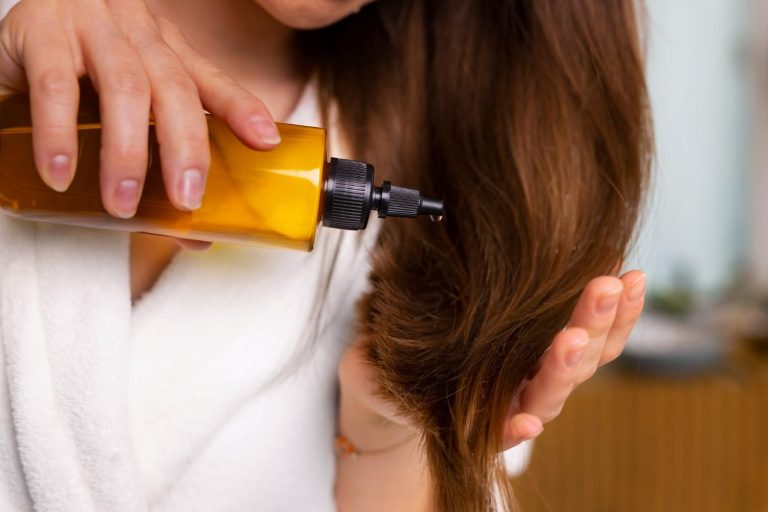
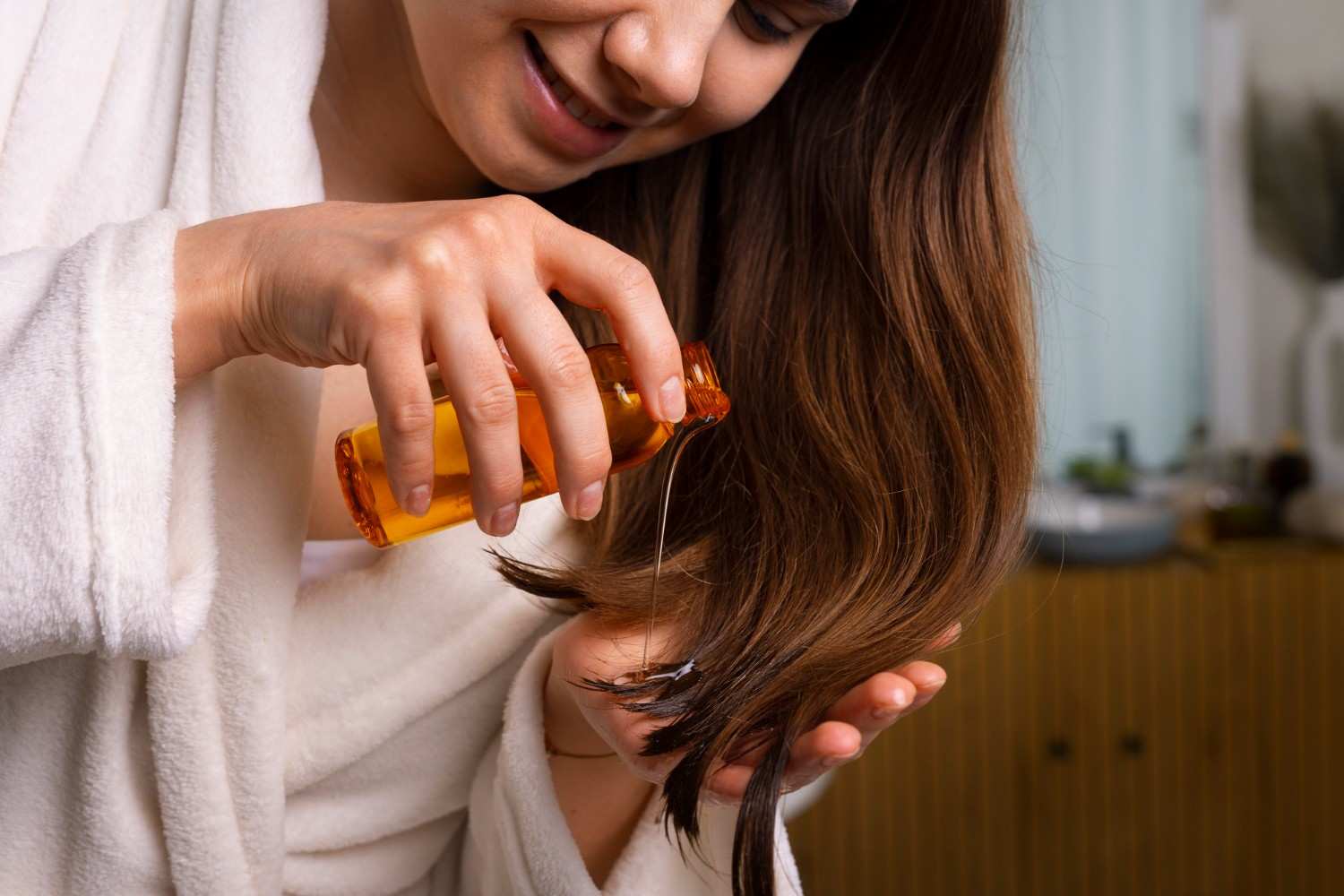
Rosemary Oil Treatment: Known for its stimulating properties, rosemary oil can enhance circulation in the scalp. To use, mix a few drops with a carrier oil like coconut or jojoba and massage it into your scalp. Leave it on for at least 30 minutes before washing it out. Regular application can lead to noticeable improvements in hair density.
-
Biotin-Rich Foods: Including foods high in biotin, such as eggs, nuts, and leafy greens, can support hair health. Biotin plays a critical role in keratin production, which is essential for hair strength. Aim for a balanced diet that includes these foods to nourish your hair from within.
-
Scalp Massages: Not only do scalp massages feel good, but they also promote blood flow to hair follicles. Use your fingertips to gently massage your scalp for 5-10 minutes daily. This simple practice can help stimulate hair growth and relax tension.
-
Coconut Oil Application: Coconut oil is renowned for its moisturizing properties. Apply it to your hair and scalp, focusing on the roots. Leave it on for a few hours or overnight before washing out. This can help prevent protein loss and keep hair strong.
-
Aloe Vera Gel: Aloe vera contains enzymes that promote hair growth and soothe the scalp. Apply fresh aloe vera gel directly to the scalp and hair, leaving it on for about 30 minutes before rinsing. This can help reduce dandruff while nourishing the hair.
-
Pumpkin Seed Oil: Rich in zinc and fatty acids, pumpkin seed oil can help enhance hair growth. Take it as a supplement or massage it into your scalp. Research indicates that it may block the action of hormones that contribute to hair loss.
-
Nutrient Supplements: Consider taking supplements that include vitamins and minerals known to support hair health, such as vitamin D, iron, and zinc. Consult with a healthcare provider for tailored recommendations based on your specific needs.
Best Time & Dosage
Optimal timing for applying these natural remedies can vary. For topical applications like oils or gels, early morning or evening before bed are ideal, as they allow for prolonged absorption. Aim for at least 2-3 times a week for treatments like rosemary oil or coconut oil.
Dietary changes should be integrated gradually. Incorporate biotin-rich foods into your meals regularly, aiming for a balanced diet that includes a variety of nutrients. Supplements should be taken as directed on the packaging or as advised by a healthcare professional, ensuring you don’t exceed recommended dosages.
Safety & Precautions
-
Patch Test New Products: Always conduct a patch test before applying a new natural remedy to avoid allergic reactions.
Safety Note: Apply a small amount to your forearm and wait 24 hours to see if any irritation occurs. -
Consult with a Healthcare Provider: If you have underlying health conditions or are pregnant, consult a healthcare provider before starting any new treatment.
Safety Note: This ensures that the chosen remedies are safe and appropriate for your situation. -
Avoid Overuse of Oils: While oils can be beneficial, excessive use may lead to clogged pores or scalp irritation.
Safety Note: Stick to recommended amounts and frequency for best results. -
Monitor for Side Effects: Pay attention to any changes in your scalp or hair after starting a new treatment.
Safety Note: Discontinue use if you experience significant irritation or adverse reactions. -
Maintain a Balanced Diet: Relying solely on topical treatments without a nutritious diet may limit effectiveness.
Safety Note: Ensure you’re eating a variety of foods to support overall hair health.
5 Common Myths vs. Facts
-
Myth: Cutting Hair Makes It Grow Faster
Fact: Hair growth occurs from the roots, and cutting does not affect the speed of growth. -
Myth: Oily Scalp Means You Don’t Need Moisture
Fact: An oily scalp can still be dehydrated and may benefit from proper hydration. -
Myth: Hair Products Can Fix Hair Loss
Fact: While some products can improve appearance, they cannot treat underlying causes of hair loss. -
Myth: Natural Remedies Are Always Safe
Fact: Not all natural products are suitable for everyone; individual sensitivities exist. -
Myth: Stress Doesn’t Affect Hair Growth
Fact: High stress levels can lead to hair thinning and loss by disrupting hormonal balance.
The Final Verdict
Investing in the health of your hair doesn’t have to be complicated or expensive. By adopting natural methods to strengthen hair roots, you can promote healthier, fuller hair over time. Focus on a combination of dietary changes, topical treatments, and mindful practices to create a holistic approach that nurtures your hair. With patience and consistency, you can achieve the vibrant hair you desire.
Get Your FREE Natural Health Guide!
Subscribe now and receive our exclusive ebook packed with natural health tips, practical wellness advice, and easy lifestyle changes, delivered straight to your inbox.