Contents
In Brief
- Safety: Natural methods are generally safe when used correctly.
- Effectiveness: Many natural remedies have scientific backing for hair growth.
- Key Benefit: Promotes overall scalp health and boosts confidence.
You notice your hair thinning and wonder if there is a way to restore its former glory. This concern is common among women over 30, as various factors can influence hair density and health. The good news is that there are natural methods to help boost hair growth, providing a holistic approach to this issue.
Research shows that lifestyle changes, dietary adjustments, and certain natural treatments can significantly impact hair growth. Women often seek safe and effective alternatives to invasive procedures or pharmaceutical solutions. Exploring these options can empower you to take control of your hair health.
Incorporating evidence-based practices into your routine can lead to noticeable improvements. By focusing on nutrition, scalp care, and stress management, you can create a supportive environment for hair growth. This article will delve into various natural methods to enhance hair growth specifically for women over 30.
The journey to healthier hair begins with understanding what works. By prioritizing natural remedies and lifestyle adjustments, you can foster an environment where your hair can thrive.
What the Research Says
Studies indicate that certain natural ingredients can stimulate hair follicles and promote growth. For instance, rosemary oil has been shown to be as effective as minoxidil, a common hair growth treatment, according to research published in the journal “Skinmed.” Similarly, a balanced diet rich in vitamins and minerals can support hair health by providing essential nutrients.
Here is a comparison of natural remedies versus a common alternative:
| Natural Remedy | Effectiveness | Common Alternative |
|---|---|---|
| Rosemary Oil | Promotes circulation, stimulates hair growth | Minoxidil |
| Biotin Supplements | Strengthens hair, reduces shedding | Prescription Hair Growth Drugs |
| Scalp Massage | Increases blood flow to hair follicles | Hair Transplant Surgery |
Research consistently highlights the importance of a multi-faceted approach to hair health. This includes not only topical applications but also internal health factors. The combination of these elements can lead to optimal results.
Effective Ways to Use This
-
Scalp Massage: Regular scalp massages can enhance blood circulation, promoting hair growth. Use your fingertips to gently massage your scalp in circular motions for about 5 to 10 minutes daily. This practice not only stimulates the hair follicles but also helps reduce stress, which can be a contributing factor to hair loss.
-
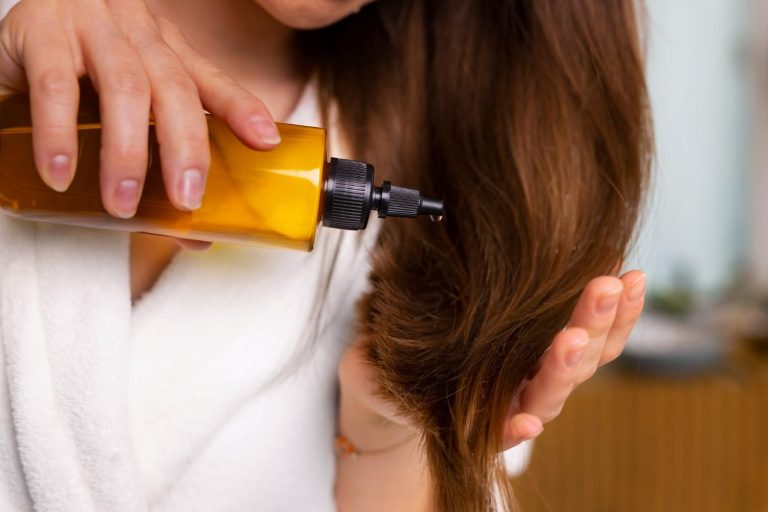
Rosemary Oil: This essential oil is renowned for its ability to stimulate hair growth. Dilute a few drops of rosemary oil with a carrier oil like coconut or jojoba oil and apply it to your scalp. Leave it on for at least 30 minutes before washing your hair. Research suggests that rosemary oil may improve cellular generation and circulation.
-
Biotin-Rich Foods: Incorporating foods rich in biotin, such as eggs, nuts, and seeds, can strengthen hair and reduce breakage. Biotin plays a crucial role in the production of keratin, the protein that makes up hair. Aim to include these foods in your diet regularly for the best results.
-
Aloe Vera: Known for its soothing properties, aloe vera can also promote hair growth. Apply fresh aloe vera gel directly to your scalp and hair, leaving it on for an hour before rinsing. Its enzymes can help unblock hair follicles and nourish the scalp.
-
Balanced Diet: A diet rich in vitamins A, C, D, and E, as well as zinc and iron, supports healthy hair. Foods like spinach, sweet potatoes, and citrus fruits can provide these essential nutrients. Consider consulting with a nutritionist for personalized dietary advice to enhance hair health.
-
Hydration: Staying well-hydrated is vital for overall health, including hair health. Aim to drink at least 8 cups of water daily. Proper hydration helps maintain the moisture balance in your scalp and hair, reducing dryness and brittleness.
-
Stress Management: Chronic stress can lead to hair loss. Engage in stress-reducing activities such as yoga, meditation, or deep-breathing exercises. Prioritizing mental well-being can significantly impact your hair’s health and growth.
Best Time & Dosage
Optimal timing for these natural methods can enhance their effectiveness. For scalp massages, integrating them into your nightly routine can be beneficial. Aim for 5 to 10 minutes before bedtime to relax and stimulate hair growth.
When using essential oils like rosemary, applying them two to three times a week is recommended. For dietary changes, gradual incorporation is best; aim to include biotin-rich foods daily while maintaining a balanced diet. Staying consistent with hydration throughout the day is essential for overall hair health.
Safety & Precautions
-
Patch Test for Oils: Always perform a patch test before applying essential oils to your scalp.
Safety Note: This helps to identify any allergic reactions that may occur. -
Consult a Doctor: If you have underlying health conditions, consult a healthcare provider before starting any new supplements or treatments.
Safety Note: This ensures that your chosen methods are safe and suitable for you. -
Avoid Overuse: While natural remedies are beneficial, overuse can lead to scalp irritation.
Safety Note: Follow recommended doses and usage guidelines. -
Monitor Changes: Keep track of any changes in your hair growth or scalp health.
Safety Note: Reporting these changes to a healthcare provider can help in adjusting your approach. -
Use Quality Products: When selecting oils or supplements, choose high-quality products from reputable sources.
Safety Note: This minimizes the risk of contamination or harmful additives.
5 Common Myths vs. Facts
-
Myth: Hair growth products work overnight.
Fact: Most natural remedies take time to show results, often requiring consistent use over weeks or months. -
Myth: Shaving hair makes it grow back thicker.
Fact: Shaving does not change the thickness or rate of hair growth; it merely cuts hair at the surface level. -
Myth: Only men experience hair loss.
Fact: Women also experience hair thinning and loss due to various factors, including hormonal changes. -
Myth: Hair can grow back if you stop using products.
Fact: Stopping products without addressing underlying issues may halt progress and lead to further loss. -
Myth: Stress does not affect hair health.
Fact: Chronic stress is a known factor in hair loss, affecting the hair growth cycle.
The Final Verdict
Natural methods to boost hair growth can be effective and empowering for women over 30. By adopting a holistic approach that includes dietary changes, topical treatments, and stress management, you can foster a healthier environment for your hair. Embracing these strategies not only promotes hair growth but also enhances overall well-being.
Get Your FREE Natural Health Guide!
Subscribe now and receive our exclusive ebook packed with natural health tips, practical wellness advice, and easy lifestyle changes, delivered straight to your inbox.