
Contents
In Brief
- Safety: Generally safe for topical use, but patch tests are recommended.
- Effectiveness: Many studies support the benefits of natural oils for hair health.
- Key Benefit: Nourishes hair, promotes growth, and reduces hair fall.
You notice more hair strands on your brush than ever before. This can be alarming, especially when you have tried various products without success. Natural oils have emerged as a promising alternative that may help in transforming your hair care routine.
Research highlights the nourishing properties of oils like coconut, argan, and jojoba. These oils are rich in vitamins and fatty acids that can rejuvenate your hair and scalp. Incorporating these natural remedies into your regimen could be the solution you need.
Imagine your hair feeling softer, shinier, and healthier. Natural oils can penetrate the hair shaft, providing moisture and essential nutrients. This can lead to reduced breakage and improved overall hair quality.
As you explore the world of natural oils, it is essential to understand how they work and the best ways to utilize them. With the right knowledge, you can effectively enhance your hair care routine and combat hair fall.
What the Research Says
Many studies have examined the benefits of using natural oils for hair health. Coconut oil, for example, has been shown to reduce protein loss in hair, which leads to stronger strands. Argan oil is rich in antioxidants and has anti-inflammatory properties that can promote a healthy scalp.
| Natural Oils | Common Alternatives | Benefits |
|---|---|---|
| Coconut Oil | Silicone-based Products | Reduces protein loss, moisturizes hair |
| Argan Oil | Mineral Oil | Rich in antioxidants, promotes shine |
| Jojoba Oil | Petroleum Jelly | Balances scalp oil, prevents dryness |
The science behind these oils shows their ability to penetrate hair shafts better than many synthetic alternatives. Coconut oil, in particular, has been widely studied and found to be effective for reducing damage from styling. Argan oil has been noted for its ability to enhance the elasticity of hair, making it less prone to damage.
In addition, jojoba oil mimics the natural sebum produced by our scalp, which means it can help regulate oil production. This unique property makes it suitable for both dry and oily hair types. Research consistently supports the idea that natural oils can be a beneficial addition to any hair care routine.
Effective Ways to Use This
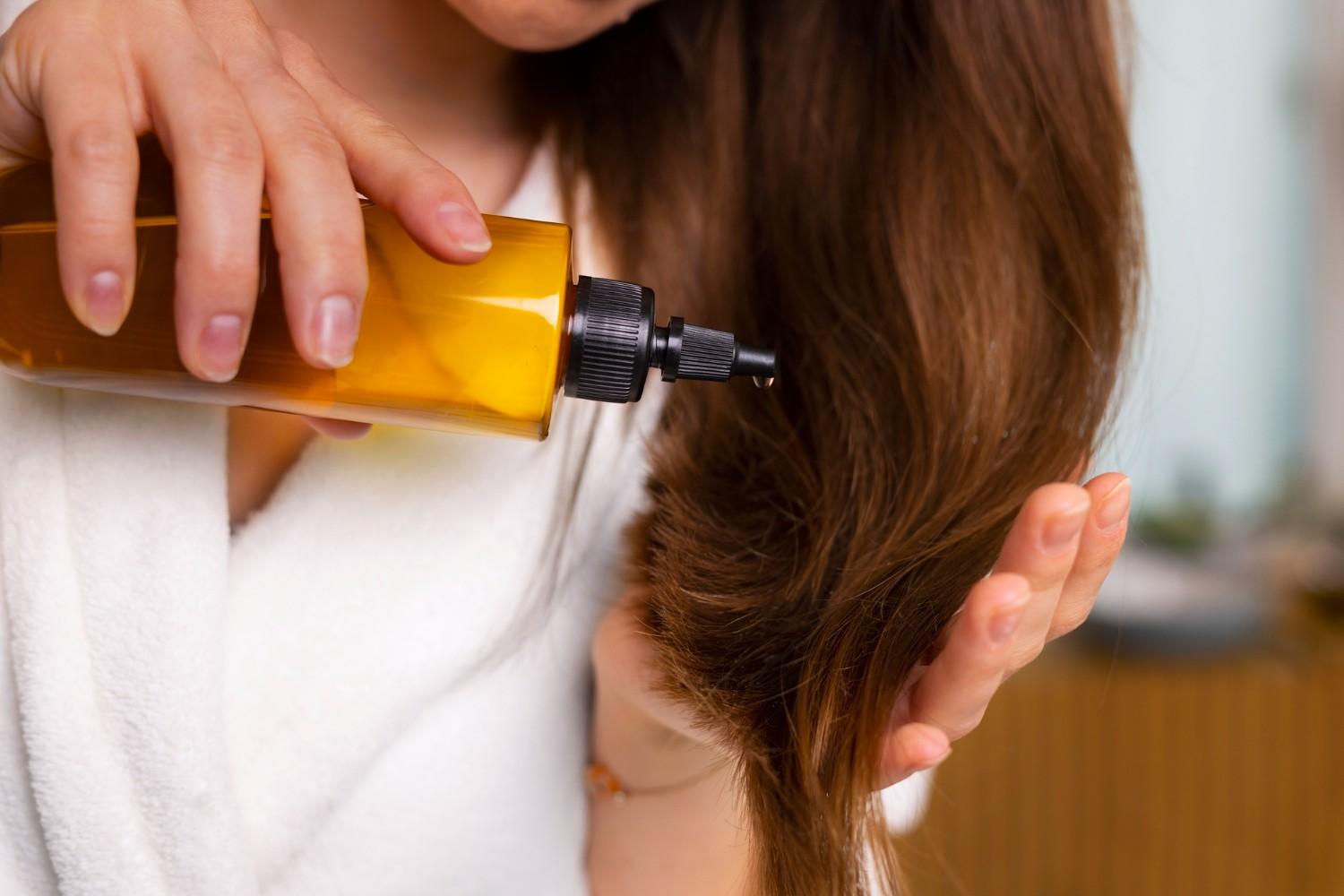
1. **Pre-Wash Treatment**: Applying natural oils before shampooing can help minimize damage during washing. Massage a few drops of oil into your scalp and hair, focusing on the ends. Leave it on for at least 30 minutes or overnight for maximum benefits.
-
Deep Conditioning: Mix essential oils with a carrier oil for a nourishing deep conditioning treatment. Apply the mixture to damp hair and cover with a shower cap. This allows the oils to penetrate deeply, leaving your hair hydrated.
-
Scalp Massage: Regular scalp massages with natural oils can stimulate blood circulation. Use oils like peppermint or rosemary, known for their invigorating properties. This can promote hair growth and enhance scalp health.
-
Leave-In Conditioner: A small amount of oil can be used as a leave-in conditioner. Apply it to damp hair to lock in moisture and reduce frizz. This method can also enhance shine and improve manageability.
-
Heat Protectant: Natural oils can serve as effective heat protectants. Before using heat styling tools, apply a light layer of oil to your hair. This helps shield your strands from damage caused by high temperatures.
-
Split End Treatment: If you struggle with split ends, consider using oils like argan or almond. Rub a small amount between your palms and apply it to the ends of your hair. This can help smooth and protect your strands.
-
DIY Hair Masks: Create your own hair masks using natural oils combined with other ingredients like honey or yogurt. These masks can provide intense nourishment and hydration. Apply them once a week for best results.
Best Time & Dosage
To maximize the benefits of natural oils, timing and dosage are crucial. For pre-wash treatments, apply oils at least 30 minutes before shampooing. Use about 1-2 tablespoons, depending on your hair length and thickness.
For deep conditioning, a larger amount may be necessary. Consider using 2-4 tablespoons of oil, ensuring even coverage throughout your hair. Regular scalp massages can be done 1-2 times a week, using just a few drops of oil.
When using oils as leave-in conditioners, a small amount—just a dime-sized amount—can go a long way. For heat protection, apply a thin layer to dry hair before styling. Adjust the quantity based on your hair’s needs, but remember that less is often more.
Safety & Precautions
1. **Patch Test**: Always perform a patch test before using a new oil. Apply a small amount to your inner arm and wait 24 hours.
Safety Note: This helps to identify any allergic reactions.
-
Quality Matters: Use high-quality, cold-pressed oils for the best results. Avoid oils with additives or synthetic fragrances.
Safety Note: Pure oils are more effective and less likely to cause irritation. -
Avoid Overuse: Too much oil can lead to greasy hair and scalp buildup. Start with small amounts and adjust as needed.
Safety Note: Overuse can negate the benefits and make hair look unclean. -
Consult a Professional: If you have existing scalp conditions or allergies, consult a dermatologist before incorporating new oils.
Safety Note: Professional advice can prevent complications. -
Storage: Store oils in a cool, dark place to maintain their potency. Exposure to light and heat can degrade their quality.
Safety Note: Proper storage ensures oils remain effective and safe for use.
5 Common Myths vs. Facts
1. **Myth**: Natural oils make hair greasy.
**Fact**: When used correctly, oils can hydrate without leaving a greasy residue.
-
Myth: All oils are the same.
Fact: Different oils have unique properties; choosing the right one is essential for specific needs. -
Myth: Oils can replace shampoo.
Fact: Oils can enhance hair care but should not replace cleansing products. -
Myth: You cannot use oils on fine hair.
Fact: Light oils like argan can be beneficial for fine hair when applied sparingly. -
Myth: Oils can instantly solve hair problems.
Fact: Consistent use over time is necessary to see significant benefits.
The Final Verdict
Natural oils can be a transformative addition to your hair care routine. They offer a range of benefits, from nourishing the scalp to improving hair texture. By understanding how to use them effectively, you can take proactive steps to combat hair fall and enhance overall hair health.
Get Your FREE Natural Health Guide!
Subscribe now and receive our exclusive ebook packed with natural health tips, practical wellness advice, and easy lifestyle changes, delivered straight to your inbox.