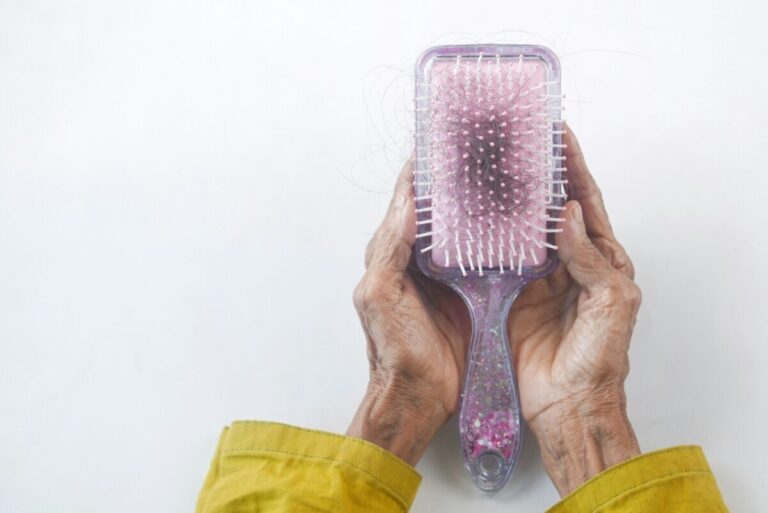
Understanding Iron-Rich Foods That Nourish Your Hair and Fight Loss
Most of us recognize that thinning strands often mirror the internal state of our body. I frequently see people focus on external products while ignoring the foundational role of mineral intake. A lack of specific nutrients can disrupt the cycle of growth your scalp experiences daily.
Iron plays a central role in delivering oxygen to your follicles. When levels drop, the body redirects energy to vital organs instead of hair growth. This common shift is one primary factor why individuals research iron-rich foods that nourish your hair and fight loss.
To support hair wellness, focus on incorporating heme sources like lean red meat or non-heme options such as lentils and spinach into your weekly rotation. Pairing these with vitamin C increases absorption to help maintain the structural integrity of your follicles. Consuming a balanced variety of these nutrient-dense options can support healthy growth cycles from within.
Key Takeaways
- Adult men typically require 8 milligrams of mineral daily, while adult women need 18 milligrams to support baseline health.
- The body absorbs heme sources found in animal products at a rate nearly three times higher than non-heme plant alternatives.
- NIH research indicates that low mineral markers are a frequent cause of fatigue and thinning hair in adults.
Nutrient Density And Absorption Rates
Understanding how your body processes minerals helps you make smarter food choices. Not all sources provide the same level of accessibility for your system. Factors like phytates in grains or calcium in dairy can sometimes interfere with how effectively you utilize the mineral.
| Food Category | Primary Mineral Type | Absorption Potential |
|---|---|---|
| Lean Beef | Heme | High |
| Dark Leafy Greens | Non-heme | Moderate |
| Fortified Cereals | Non-heme | Low |
Strategic Dietary Shifts For Follicle Health
Focusing on high quality ingredients ensures your scalp receives the fuel it needs. I suggest looking at your weekly menu to ensure you hit consistent targets. Small changes often yield the best long term results.
- Grass-Fed Beef serves as a reliable source of bioavailable minerals. It provides a dense concentration of heme that the body utilizes with minimal effort.
- Organic Spinach offers a plant-based path for your daily intake. Combine this with lemon juice to maximize the utility of the nutrients through added vitamin C.
- Black Lentils work well in soups and salads. These legumes provide fiber alongside minerals for sustained energy throughout your afternoon.
- Pumpkin Seeds make a simple snack for mid-day fuel. They offer a crunch while providing a dense profile of essential minerals for hair thickness.
- Quinoa serves as a versatile grain for your lunch bowls. It contains enough mineral content to support daily needs when consumed alongside vegetables.
- Dark Chocolate in moderation provides a sweet way to increase intake. Choose varieties with higher cocoa content for the best nutritional return.
Calculations For Daily Mineral Success
Precision matters when you look at your daily intake. Use this simple calculation to estimate your current baseline from food alone. Add the amount of milligrams from your breakfast, lunch, and dinner to find your total.
A standard 3-ounce serving of beef contains roughly 2 milligrams. A cup of cooked spinach adds another 6 milligrams to your total. Aiming for 18 milligrams daily requires a mix of three to four such servings spread across your meals.
Cofactors That Influence Mineral Uptake
It is not just about what you eat, but what you eat it with. Medical data on nutrition suggests that vitamin C acts as a necessary bridge for plant based minerals. Avoid drinking coffee or tea during your main meals, as tannins can block the absorption process.
Focusing on acidic pairings improves the overall efficiency of your digestion. Adding sliced bell peppers to your lunch or berries to your morning bowl creates a better environment for wellness. Balance is the goal for a steady supply of nutrients.
Lifestyle Factors Impacting Hair Wellness
Your hair health reflects the broader habits you maintain. Sleep quality and stress management play roles alongside your plate. Consistent physical movement helps regulate the metabolic processes that support hair strength.
Hydration also plays a silent role in how well your body distributes nutrients to the scalp. Educational resources from researchers note that systemic health is a prerequisite for strong hair growth. Prioritizing rest allows your body to perform routine maintenance tasks effectively.
Frequently Asked Questions
Can I get enough minerals from a plant based diet?
It is possible to meet your needs through plants by choosing diverse options. Focus on legumes, nuts, and dark greens as your main contributors.
Pairing these plant foods with citrus or other vitamin C sources is essential. This strategy compensates for the lower absorption rate of non-heme options.
Does coffee affect how my body uses these nutrients?
Drinking coffee or tea during meals can reduce how much mineral your body takes in. The compounds in these drinks bind to the nutrients before you digest them.
Try to wait an hour before or after your meal to enjoy your caffeine. This simple gap allows your system to process your food without interference.
How long until I notice changes in my hair?
Hair cycles are slow and take time to respond to dietary adjustments. You should typically look for progress after three to six months of consistency.
Patience remains important during this phase of your wellness journey. Focusing on daily habits rather than rapid results ensures long term success.
Should I use supplements to increase my levels?
Supplements are sometimes necessary but should follow professional guidance. Relying on food first is the preferred way to maintain a natural balance.
Too much of a mineral can lead to unexpected issues. Never stop or change any medication without consulting the provider who recommended it.
Are there physical signs of low mineral levels?
Fatigue is often the most common sign people overlook. Brittle nails or cold hands can also point toward a need for a change in nutrition.
Observe your daily energy levels to see if they align with your meals. Discussing these symptoms with a professional can provide clarity on your specific needs.
The Bottom Line
Maintaining healthy hair requires a steady supply of nutrients through iron-rich foods that nourish your hair and fight loss. By focusing on bioavailable sources and pairing them with the right vitamins, you create a sustainable foundation for growth.
Track your dietary intake for one week to see if you are meeting the suggested targets for your specific needs. Use these insights to refine your daily meals for better results.
The Trust Boundary: This guidance is intended for healthy adults and is not meant for those with diagnosed medical conditions or blood disorders. Consult a licensed healthcare provider before starting any new wellness routine.
Get Your FREE Natural Health Guide!
Subscribe now and receive our exclusive ebook packed with natural health tips, practical wellness advice, and easy lifestyle changes, delivered straight to your inbox.