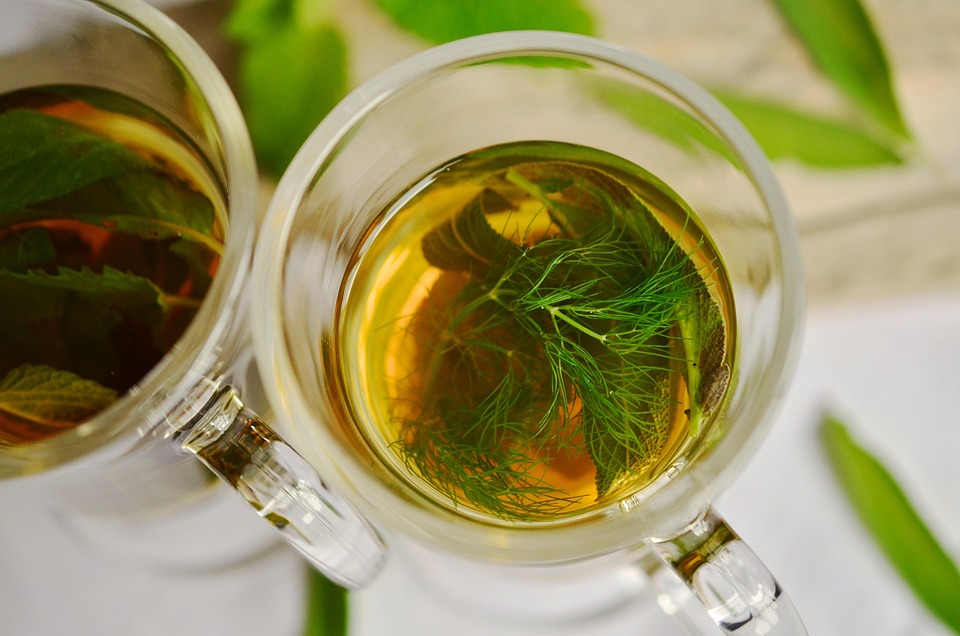

Supporting Digestive Wellness with Herbal Detox Tea for Colon
Many people express interest in nurturing their digestive system. A well functioning digestive tract is fundamental to feeling your best, impacting everything from nutrient absorption to everyday comfort.
Among the various approaches, a carefully formulated herbal detox tea for colon support has long been a subject of discussion and traditional use. This guide explores how specific botanicals within these teas may contribute to your digestive rhythm.
Understanding the traditional uses and general actions of these herbs can provide valuable insights into their place within a broader wellness regimen focused on maintaining a comfortable and efficient digestive pathway.
Historical Roots of Botanical Digestive Support
Humanity has turned to nature for digestive relief and regulation for millennia. Across diverse cultures, specific herbs became staples for addressing discomfort or supporting regular bowel function.
Ancient Egyptian papyri, traditional Chinese medicine texts, and Ayurvedic practices all document the use of botanical preparations to influence gastrointestinal health. These traditions often recognized the colon as a vital organ for overall vitality.
The wisdom passed down through generations highlights a long standing recognition of herbs for their potential to gently encourage the body’s natural processes. This historical context provides a strong foundation for understanding the enduring appeal of specific botanicals in modern digestive wellness discussions.
Key Herbs Commonly Found in Colon Support Teas
Certain herbs consistently appear in formulations designed to support the colon. Each botanical brings its own traditional properties that may collectively contribute to digestive comfort and regularity.
It is important to understand the traditional actions of these individual components. They are often combined synergistically to offer a comprehensive approach to digestive wellness.
Senna Leaf
Senna is a botanical recognized for its traditional use in promoting occasional bowel movements. It has been a common ingredient in herbal preparations intended to support digestive transit.
The plant compounds within senna are often discussed for their role in encouraging motility. This action can be beneficial when experiencing infrequent bowel activity, helping to maintain a feeling of lightness.
This herb should be used mindfully, primarily for short term support. Its inclusion in a tea is typically intended to assist with sporadic digestive needs, not for continuous daily use.
- Active Compounds: Sennosides.
- Traditional Use: Supporting occasional regularity.
- General Action: Encourages bowel movement.
Usage Insights
When considering senna, people generally explore its use as a temporary aid. A common approach involves preparing the tea as directed, usually allowing the herbs to steep for a specific duration.
Cascara Sagrada Bark
Cascara Sagrada, similar to senna, holds a long history of use in traditional practices for supporting digestive function. Its name itself, “sacred bark,” speaks to its revered status.
This bark contains compounds that traditionally contribute to the stimulation of colon activity. It is often sought for its potential to help maintain comfortable and regular elimination.
Like senna, cascara sagrada is typically suggested for short term application. It helps address temporary issues related to bowel irregularity, fostering a sense of digestive ease.
- Active Compounds: Anthraquinones.
- Traditional Use: Promoting consistent bowel rhythm.
- General Action: Supports normal peristalsis.
Preparation Guidance
For cascara sagrada, preparing an infusion by steeping the bark in hot water is a common method. Observing the recommended steeping times is generally advised to achieve the desired effect.
Dandelion Root
Dandelion root offers a different profile of traditional support for digestion. It is often appreciated for its gentle qualities and broader support for the body’s natural processes.
Historically, dandelion root has been associated with supporting bile flow, which plays a role in fat digestion. This can indirectly contribute to overall digestive comfort and efficiency.
Unlike the more direct laxative herbs, dandelion root is considered a mild botanical. It fits well into daily wellness routines aimed at maintaining general digestive harmony without strong immediate effects.
- Active Compounds: Taraxacum, inulin.
- Traditional Use: Supporting liver function, mild digestive aid.
- General Action: Contributes to healthy digestion and bile production.
Infusion Method
To enjoy dandelion root, a simple tea can be prepared by steeping dried root in hot water. Many find its slightly bitter notes to be a refreshing addition to their daily fluid intake.
Ginger Root
Ginger is a widely recognized spice with a strong reputation for digestive support. Its warming properties have been cherished in culinary and wellness traditions worldwide for centuries.
The compounds in ginger are often discussed for their carminative effects. This means they may help alleviate feelings of fullness or occasional gas, promoting a sense of ease in the digestive tract.
Ginger can also encourage healthy digestive motility. This helps the smooth movement of food through the system, contributing to a comfortable and efficient digestive process.
- Active Compounds: Gingerols, shogaols.
- Traditional Use: Calming digestive upset, promoting warmth.
- General Action: Supports healthy digestive transit and comfort.
Brewing Suggestions
Fresh or dried ginger can be brewed into a tea. Slicing fresh ginger and steeping it in hot water creates a pungent and invigorating beverage, often enjoyed after meals.
Peppermint Leaf
Peppermint is a popular herb known for its refreshing aroma and traditional use in soothing digestive discomfort. It is a common ingredient in many herbal teas for its pleasant flavor and properties.
The natural compounds in peppermint, particularly menthol, are often associated with a calming effect on the digestive muscles. This can contribute to a sensation of relaxation within the gastrointestinal tract.
Many individuals reach for peppermint tea to address feelings of bloating or mild digestive tension. It offers a gentle way to support overall digestive peace and comfort.
- Active Compounds: Menthol, menthone.
- Traditional Use: Soothing digestive unease, calming the stomach.
- General Action: Contributes to digestive relaxation and comfort.
Preparation for Comfort
Peppermint tea is best prepared by steeping fresh or dried leaves in hot water. Covering the cup during steeping helps retain the volatile aromatic compounds responsible for its refreshing qualities.
Fennel Seed
Fennel seed is another herb frequently used for its digestive benefits. It has a distinctive licorice like flavor and is a common ingredient in post meal digestive blends in many cultures.
Traditional uses of fennel seeds often revolve around their carminative properties. This refers to their potential to help reduce the sensation of gas and bloating, fostering digestive ease.
Fennel can also support healthy digestive rhythm. By gently encouraging the digestive system, it contributes to a feeling of balance and comfort after eating.
- Active Compounds: Anethole, fenchone.
- Traditional Use: Relieving gas and bloating, aiding digestion.
- General Action: Supports digestive comfort and natural processes.
Incorporating into Routine
Crushed fennel seeds can be steeped in hot water to make a comforting tea. Some people also chew a small amount of roasted fennel seeds after meals for traditional digestive support.
Understanding “Detox” in a Wellness Context
The term “detox” is often used broadly, sometimes leading to misconceptions. In the context of an herbal detox tea for colon, it primarily refers to supporting the body’s natural, intrinsic elimination processes.
The human body possesses sophisticated systems, including the liver, kidneys, lungs, and colon, that work continuously to process and eliminate waste. These systems are incredibly efficient on their own.
Herbal teas, therefore, do not perform a “detoxification” in a medical sense. Instead, they offer botanical support that may help these natural systems operate optimally, contributing to overall well being.
When people refer to “detox” with herbal teas, they often describe a feeling of renewed energy, lightness, and regularity. This sensation stems from supporting the body’s digestive and elimination pathways, rather than active medical intervention.
The Colon’s Vital Role in Digestive Health
The colon, or large intestine, plays a critical role in the final stages of digestion. It is responsible for absorbing water, forming stool, and housing a complex community of microorganisms.
A healthy colon function is central to comfortable digestion and regular elimination. When the colon operates efficiently, it contributes significantly to overall daily comfort and vitality.
The regular transit of material through the colon is essential. This process prevents stagnation and supports the expulsion of waste products, which is a key aspect of digestive wellness.
Supporting your colon means supporting the environment for beneficial gut microbiota and ensuring the smooth passage of waste. This contributes to a balanced internal state and a feeling of internal cleanliness.
Beyond the Tea: Complementary Practices for Colon Health
While an herbal detox tea for colon may offer supportive benefits, it functions best as part of a holistic approach to digestive wellness. Lifestyle choices significantly impact colon health.
Adequate hydration is paramount. Water helps soften stool and ensures smooth movement through the colon, preventing issues like occasional constipation. Aim for consistent water intake throughout the day.
Dietary fiber is another cornerstone of colon health. Found in fruits, vegetables, whole grains, and legumes, fiber adds bulk to stool and supports regularity. Both soluble and insoluble fibers are beneficial.
Regular physical activity also promotes healthy digestion. Movement can stimulate intestinal muscle contractions, encouraging the natural transit of waste. Even moderate exercise contributes to a well functioning digestive system.
Managing stress is also important. The gut brain axis means emotional state can directly influence digestive processes. Practices like meditation or spending time in nature can support digestive harmony.
Common Misconceptions About Digestive Cleansing
Several myths surround the concept of “detox” or “cleansing” the colon. It is important to separate scientific understanding from popular, often exaggerated, claims.
One common misconception is that the colon accumulates significant “toxins” or “waste buildup” that require aggressive purging. The colon is a self cleaning organ, designed to prevent such accumulation through regular function.
Another myth suggests that drastic, short term cleanses can fundamentally reset the digestive system. While temporary dietary changes can offer a sense of revitalization, long term digestive health relies on consistent, balanced habits.
Aggressive laxative use, sometimes associated with extreme “detox” protocols, can disrupt the natural balance of the colon and lead to dependency. Gentle, supportive approaches are generally more sustainable and beneficial.
People with underlying conditions often work with a qualified healthcare professional for personalized guidance regarding digestive health. This information is educational and not a substitute for medical advice.
Understanding Herbal Actions for Colon Support
Herbal teas for colon support often contain a blend of ingredients, each contributing to a feeling of digestive balance. Here is a summary of some common components and their general effects.
| Herb | Traditional Properties | General Digestive Contribution |
|---|---|---|
| Senna Leaf | Stimulant, bowel promoter | Supports occasional bowel regularity |
| Cascara Sagrada Bark | Bowel tonic, stimulant | Aids in promoting consistent transit |
| Dandelion Root | Diuretic, mild digestive aid | Contributes to overall digestive comfort |
| Ginger Root | Warming, carminative | Helps soothe digestive unease and gas |
| Peppermint Leaf | Antispasmodic, cooling | Supports relaxation in the digestive tract |
| Fennel Seed | Carminative, stomachic | Assists in reducing feelings of bloating |
The combination of these herbs aims to provide a gentle and comprehensive approach to digestive wellness. Selecting a tea with a thoughtful blend can enhance its supportive potential.
Hydration and Electrolyte Balance
Maintaining proper hydration is crucial, especially when incorporating herbal teas that may encourage increased elimination. Water is essential for every bodily function, including healthy digestion.
When the colon processes waste, it absorbs water back into the body. Insufficient water intake can lead to harder stools and more difficult bowel movements, counteracting the benefits of supportive herbs.
While many herbal teas are hydrating, it is important to also consume plain water throughout the day. This ensures continuous hydration and supports the smooth functioning of the entire digestive system.
Electrolytes, such as potassium and sodium, are vital for fluid balance and muscle function, including the muscles of the digestive tract. A balanced diet typically provides sufficient electrolytes. Overly aggressive “cleanses” without proper hydration and electrolyte replenishment can be counterproductive to wellness.
Fiber Rich Foods and Their Synergistic Effect
Pairing herbal detox tea for colon support with a diet rich in fiber is a powerful strategy for digestive health. Fiber is the indigestible part of plant foods that plays a crucial role in the colon.
Insoluble fiber adds bulk to stool, helping it move more quickly through the intestines. This type of fiber acts like a brush, gently sweeping material along the digestive path. Examples include whole grains, vegetables, and fruit skins.
Soluble fiber absorbs water and forms a gel like substance, which can help soften stool and also slow down digestion. This can contribute to a feeling of fullness and support a steady absorption of nutrients. Oats, beans, apples, and citrus fruits are good sources.
Together, these fibers create an optimal environment in the colon. They support regular bowel movements, contribute to a healthy gut microbiome, and work in concert with herbal teas to maintain digestive comfort.
Research from the National Institutes of Health highlights the broad benefits of adequate fiber intake for overall health.
Considering the Gut Microbiome
The colon is home to trillions of bacteria, collectively known as the gut microbiome. This ecosystem plays a profound role in digestion, nutrient synthesis, and immune system function.
A balanced and diverse microbiome is crucial for digestive health. Certain herbs in colon support teas, particularly those with prebiotic properties like dandelion root, may indirectly contribute to a favorable gut environment.
Prebiotics are compounds that selectively feed beneficial gut bacteria. By supporting these bacteria, prebiotics help maintain a healthy microbial balance, which in turn supports efficient digestion and colon function.
While the focus of these teas is often on physical transit, their gentle actions can also influence the delicate balance of the gut flora. A healthy microbiome contributes significantly to a feeling of internal wellness.
Frequently Asked Questions
Do herbal colon teas truly “detoxify” the body?
No, herbal teas do not perform a medical “detoxification.” They support the body’s natural, inherent elimination processes, helping your existing systems function optimally for a sense of wellness and regularity.
How often should I consume a colon support tea?
Teas containing stronger herbs like senna or cascara sagrada are generally intended for occasional, short term use to address infrequent bowel movements. Milder blends with herbs like ginger or peppermint can be enjoyed more regularly as part of a daily wellness routine.
Can these teas help with consistent bowel movements?
Some herbal teas are traditionally used to encourage regular bowel movements and can offer temporary support for occasional irregularity. Long term consistency is often best achieved through consistent hydration, a fiber rich diet, and an active lifestyle.
Are there any considerations when drinking these teas?
Yes, it is always wise to consult with a healthcare professional before making significant changes to your wellness routine, especially if you have existing health conditions or are taking medications. Pay attention to your body’s responses and discontinue use if discomfort arises.
The Bottom Line
An herbal detox tea for colon support can be a valuable component in your quest for digestive wellness. These botanical blends, rooted in centuries of traditional use, offer a gentle way to support the body’s intrinsic processes.
By understanding the roles of specific herbs, practicing mindful consumption, and integrating these teas with a foundation of hydration, fiber, and an active lifestyle, you can foster a greater sense of digestive comfort and regularity.
Embrace a balanced approach to your wellness journey, prioritizing consistent self care and informed choices for lasting digestive harmony.
Cultivate Digestive Harmony
Consider incorporating a carefully chosen herbal colon support tea into your routine as part of a holistic wellness plan, focusing on overall digestive comfort and regularity.
Get Your FREE Natural Health Guide!
Subscribe now and receive our exclusive ebook packed with natural health tips, practical wellness advice, and easy lifestyle changes, delivered straight to your inbox.