
Crafting Herbal Tea Blends for General Bone Strength Support
Supporting overall wellness, including aspects of bone health, is a long term commitment for many people. Herbal tea for bone strength is a topic that resonates with individuals seeking natural approaches to complement their daily routine. These botanical infusions can be part of a thoughtful strategy, integrating diverse plant compounds into your lifestyle.
Our bones provide the framework for movement and protect vital organs. Maintaining bone integrity is an ongoing process throughout life, influenced by numerous factors beyond simply dietary intake. Exploring the general support that certain botanicals may offer provides an additional avenue for wellness considerations.
This guide will delve into specific herbs and how their properties are often discussed in the context of contributing to general well being. We will explore their historical uses, the compounds they contain, and how they can be thoughtfully incorporated into a balanced lifestyle. Remember, any significant health concerns should always involve consultation with a qualified healthcare professional.
The Foundational Role of Bone Wellness
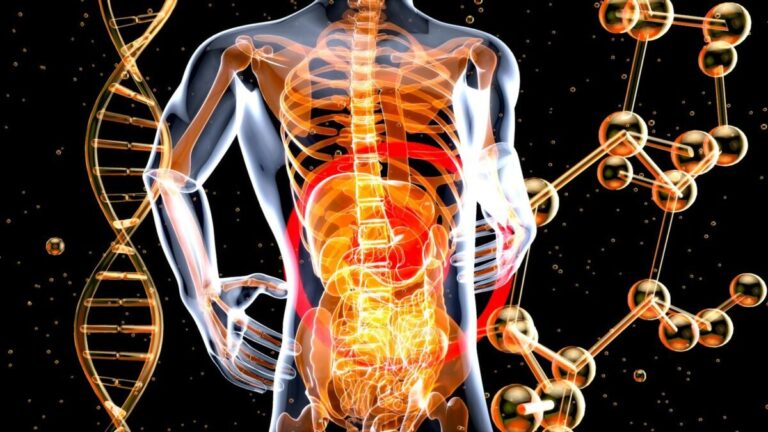
Bones are dynamic tissues, continuously remodeling and renewing throughout our lives. This complex process involves specialized cells that break down old bone and build new bone. Factors like physical activity, lifestyle choices, and general nutritional intake all play a part in supporting this intricate balance.
While often associated with density, bone wellness encompasses more than just strength. It also relates to flexibility and resilience, which are qualities that enable our skeleton to withstand daily stresses. Maintaining these characteristics supports our ability to engage in activities we enjoy.
Many people explore a range of strategies to support their skeletal system. These can include regular movement, thoughtful dietary choices, and integrating specific botanical infusions. Understanding how different herbs contribute to a broad wellness approach is key.
Lifestyle Contributions to Bone Health
* Regular Physical Activity: Gentle, consistent movement helps support overall bone quality.
* Balanced Nutritional Choices: A diet rich in diverse whole foods provides numerous compounds.
* Mindful Stress Management: Daily stress can influence various bodily systems, including general wellness.
* Adequate Rest: Rest periods allow the body to engage in repair and renewal processes.
Nettle Leaf: A Nutrient Rich Botanical
Nettle leaf, known botanically as *Urtica dioica*, has a long standing history in traditional wellness practices across many cultures. People have utilized its leaves for centuries, often steeping them to create a nourishing herbal infusion. Its reputation stems from its diverse array of botanical constituents.
This versatile herb is recognized for containing various plant compounds. While it is often discussed for its general nutritional content, nettle’s influence extends to supporting overall vitality. It is a common component in blends aimed at promoting broad spectrum wellness.
The gentle character of nettle tea makes it a popular choice for daily consumption. It can be enjoyed on its own or easily blended with other botanicals to create a personalized infusion. Its mild flavor profile allows it to complement a wide range of tastes.
Botanical Profile
* Key Botanical Compounds: Flavonoids, carotenoids, vitamins C and K, general minerals.
* Traditional Wellness Focus: Overall vitality, general daily support, gentle cleansing.
* Lifestyle Integration: A daily nourishing tea, often consumed to support broad wellness.
Preparation Guidance
To prepare nettle leaf tea, steep one to two teaspoons of dried nettle leaf in hot water for five to ten minutes before straining and enjoying.
Horsetail: A Traditional Siliceous Herb
Horsetail, *Equisetum arvense*, is an ancient plant with a distinctive, jointed appearance that has been used in wellness traditions for centuries. It gained recognition for its unique composition, particularly its silica content. This mineral is a natural component of many plant structures.
The presence of silica in horsetail is a key reason for its traditional use in general wellness discussions. While not a direct nutrient for bone formation, silica is a trace element that people often consider when discussing connective tissue health. This perspective aligns with a broader view of supporting the body’s structural integrity.
Horsetail tea offers an earthy, somewhat herbaceous flavor that blends well with other botanicals. It is frequently included in formulations intended to offer comprehensive support for various body systems. Its enduring popularity speaks to its perceived value in natural health practices.
Botanical Profile
* Key Botanical Compounds: Silica, flavonoids, phenolic acids, general minerals.
* Traditional Wellness Focus: Hair, skin, and nail wellness, general structural support.
* Lifestyle Integration: An ingredient in botanical blends focused on connective tissue wellness.
Preparation Guidance
Steep one teaspoon of dried horsetail herb in hot water for ten to fifteen minutes to extract its botanical compounds.
Oatstraw: A Restorative Botanical
Oatstraw, derived from the green, immature tops of the oat plant (*Avena sativa*), holds a special place in herbal traditions as a “nervine tonic.” This designation means it is historically associated with supporting the nervous system and promoting a sense of calm. However, its applications extend beyond this primary focus.
The plant contains a variety of beneficial compounds, including avenacosides, flavonoids, and minerals. These constituents contribute to its reputation as a generally fortifying herb. Many people incorporate oatstraw into their routines for its perceived ability to support overall vigor and resilience.
As a tea, oatstraw offers a mild, slightly sweet, and grassy flavor. It is a gentle herb, making it suitable for daily consumption and an excellent base for various herbal blends. Its soothing qualities often lead individuals to choose it during times of everyday mental and physical exertion.
Botanical Profile
* Key Botanical Compounds: Avenacosides, flavonoids, magnesium, B vitamins.
* Traditional Wellness Focus: Nervous system support, general restorative tonic, vitality.
* Lifestyle Integration: A calming daily tea, often used to support overall resilience.
Preparation Guidance
Infuse one tablespoon of dried oatstraw in hot water for ten to fifteen minutes, then strain and drink.
Red Clover: A Phytoestrogen Rich Plant
Red clover, *Trifolium pratense*, is a common wildflower recognized for its vibrant pinkish purple blossoms. It has a long history in traditional folk practices, often valued for its diverse array of plant compounds, particularly isoflavones. These compounds are a type of phytoestrogen.
Phytoestrogens are plant derived compounds that can interact with the body’s systems in a complex manner. People often discuss red clover in the context of women’s wellness, particularly during various life stages. Its inclusion in wellness routines is driven by these unique botanical properties.
The flavor of red clover tea is mild and slightly sweet, making it pleasant to drink on its own or as part of a blend. It contributes a gentle earthiness and is considered a supportive herb for maintaining general balance. Its widespread availability and historical use underscore its perceived value.
Botanical Profile
* Key Botanical Compounds: Isoflavones (formononetin, biochanin A), flavonoids, general minerals.
* Traditional Wellness Focus: Women’s general wellness, overall balance, detoxification support.
* Lifestyle Integration: A supportive tea, often part of broader wellness strategies.
Preparation Guidance
Steep one to two teaspoons of dried red clover blossoms in hot water for five to ten minutes for a mild infusion.
Exploring The General Role of Minerals in Bone Wellness
Our understanding of bone wellness often emphasizes the importance of specific minerals. Calcium and vitamin D are widely recognized for their roles in skeletal health. However, a broader spectrum of trace minerals also plays a part in supporting the body’s systems.
Magnesium, for instance, is involved in hundreds of biochemical reactions throughout the body, including those that influence bone structure. Similarly, phosphorus is a major component of bone tissue, working in concert with calcium. These interactions highlight the complex interplay of nutrients.
Trace minerals like zinc, copper, and manganese are also often mentioned in discussions about maintaining various bodily functions, including those related to structural integrity. People often explore how a varied diet and botanical infusions can contribute to a comprehensive approach to general mineral intake. For more information on dietary minerals, the National Institutes of Health provides detailed fact sheets.
| Botanical Name | Primary Wellness Focus | Key Compounds (General) | Flavor Profile |
|---|---|---|---|
| Nettle Leaf | Overall vitality, daily support | Flavonoids, vitamins, general minerals | Mild, green, slightly earthy |
| Horsetail | Structural support, hair and nail wellness | Silica, flavonoids, minerals | Earthy, herbaceous |
| Oatstraw | Nervous system support, restorative tonic | Avenacosides, flavonoids, magnesium | Mild, grassy, slightly sweet |
| Red Clover | Women’s general wellness, balance | Isoflavones, flavonoids, minerals | Mild, slightly sweet, earthy |
Crafting Your Own Herbal Blends
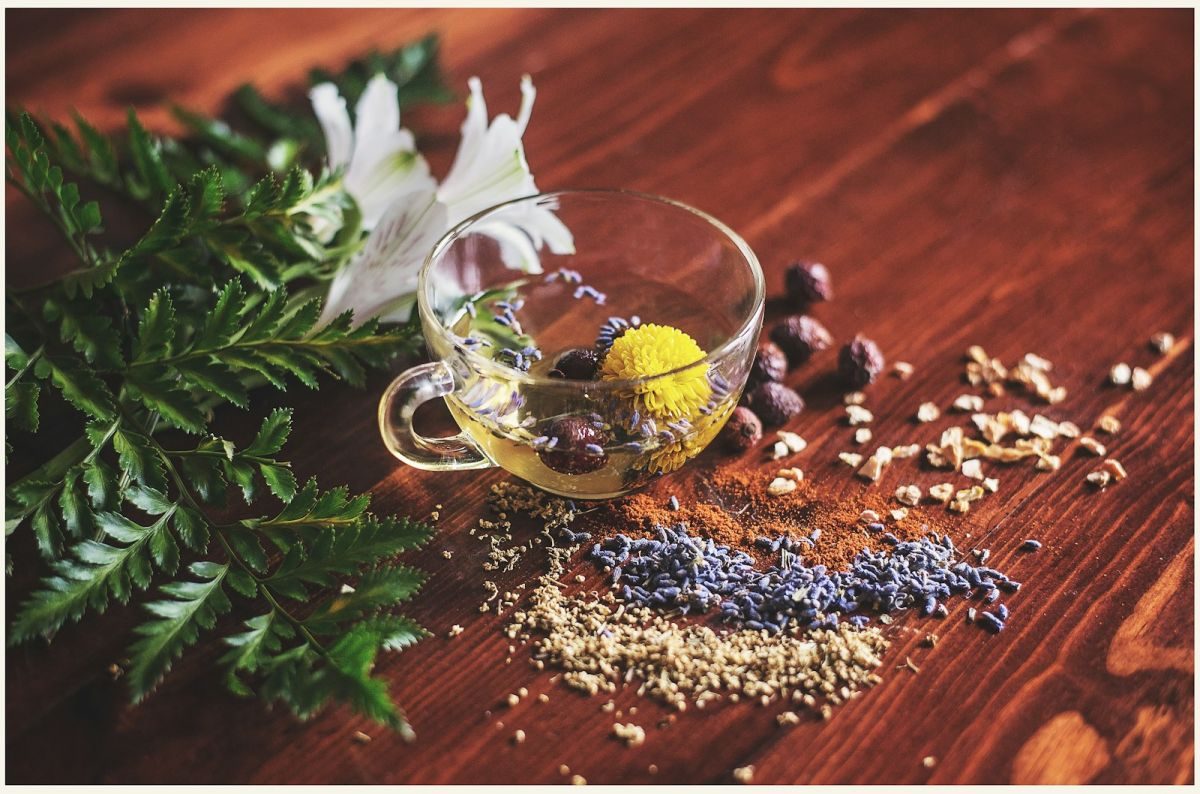
Creating your own herbal tea blends can be a rewarding way to customize your wellness routine. By combining different botanicals, you can tailor flavors and compounds to your preferences and general health goals. The key is to select herbs that complement each other in taste and purported effects.
When blending, consider both the flavor and the traditional uses of each herb. For a bone supporting blend, you might combine nettle and horsetail for their mineral rich profiles, perhaps with a touch of oatstraw for its calming influence. Adding a flavorful herb like peppermint or ginger can enhance the taste.
Always start with small quantities of each herb to determine the ideal ratio for your palate. Experimentation is part of the process, allowing you to discover combinations that you genuinely enjoy drinking regularly. Consistency is important when integrating any botanical into your daily life.
General Blending Ratio Guidance
* Foundation Herb: Start with a larger proportion (e.g., 2 parts) of a mild herb like nettle or oatstraw.
* Supportive Herb: Add a smaller proportion (e.g., 1 part) of a more potent herb like horsetail or red clover.
* Flavor Enhancer: Include a very small amount (e.g., 0.5 part) of a strong tasting herb such as peppermint, ginger, or lemon balm.
Important Considerations and Safety
While herbal teas are generally considered gentle, it is always wise to approach their use thoughtfully. The active compounds in plants can interact with individual body chemistry, and responses can vary. Listening to your body and noting any changes is a sensible approach.
People with underlying conditions often work with a qualified healthcare professional for personalized guidance before incorporating new herbal remedies into their routine. This is particularly important if you are taking medications or have specific health concerns. Open communication with your doctor ensures a safe approach.
This information is educational and not a substitute for medical advice. Botanical science is complex, and individual needs differ. A holistic approach to wellness always involves considering all aspects of your health and consulting with experts when necessary.
Frequently Asked Questions
Can herbal teas alone ensure strong bones?
No single food or drink can guarantee bone strength. Herbal teas are best considered as one component of a broader lifestyle strategy that includes balanced nutrition, regular physical activity, and professional medical guidance when appropriate.
Are there specific times of day to drink these bone supporting teas?
There is no strict rule for when to consume these teas. Many people choose to drink nourishing teas throughout the day, while calming teas like oatstraw might be favored in the evening. Listen to your body and integrate them into your routine as it feels natural.
Can children or pregnant individuals drink these herbal teas?
Special populations like children, pregnant individuals, or those who are breastfeeding should always exercise caution with herbal preparations. It is always recommended to consult with a qualified healthcare professional before introducing any new herbs into their diet.
How long does it take to experience benefits from herbal teas?
Herbal teas are generally considered to offer gentle, long term support rather than immediate, dramatic effects. Their integration into a consistent wellness routine is often the focus, with perceived benefits accruing gradually over time as part of a balanced lifestyle.
The Bottom Line
Supporting overall bone wellness is an important aspect of a proactive health journey, and herbal teas can play a complementary role within a thoughtful lifestyle. Botanicals like nettle, horsetail, oatstraw, and red clover offer a diverse range of plant compounds that have traditionally been valued for their contributions to general vitality.
By understanding the unique properties of these herbs and how to blend them, you can craft nourishing infusions that support your broader wellness goals. Remember, however, that these teas are part of a holistic approach, not a standalone solution. Always prioritize a balanced diet, regular movement, and consult with a healthcare professional for personalized advice.
Your next step is to explore one or two of these herbs that resonate most with your preferences and gently integrate them into your daily routine.
Get Your FREE Natural Health Guide!
Subscribe now and receive our exclusive ebook packed with natural health tips, practical wellness advice, and easy lifestyle changes, delivered straight to your inbox.