
Contents
In Brief
- Safety: Essential oils should be diluted and tested for skin sensitivity.
- Effectiveness: Many studies support the benefits of specific oils for scalp health.
- Key Benefit: They can improve scalp circulation, reduce inflammation, and promote hair growth.
Imagine standing in front of the mirror, feeling frustrated as you notice flakes on your shoulders and an itchy scalp. You’ve tried every shampoo, every treatment, but nothing seems to work. The good news is that nature offers a wealth of solutions that might just change your scalp health for the better.
Essential oils have been used for centuries in various cultures for their therapeutic properties. Their potent compounds can help address issues like dryness, irritation, and even dandruff. With the right oils, you could transform your scalp into a healthier, more balanced environment.
Research shows that essential oils can stimulate blood circulation, reduce inflammation, and promote hair growth. Incorporating these oils into your routine might not only alleviate discomfort but also enhance the overall health of your hair.
From lavender to tea tree oil, each essential oil has unique properties that can benefit your scalp. Let’s delve deeper into the evidence and explore how these natural remedies can work wonders for you.
What the Research Says
The use of essential oils for scalp health is gaining traction in scientific literature. Research indicates that certain oils possess antimicrobial properties, which can help combat dandruff and other scalp issues. For instance, tea tree oil has been shown to reduce the severity of dandruff due to its antifungal qualities.
A study published in the Journal of Dermatological Treatment found that a blend of essential oils significantly improved hair growth in individuals with alopecia. The study participants who used rosemary oil experienced notable improvements compared to those who used a common alternative like minoxidil.
Here’s a comparison of essential oils versus a common alternative:
| Essential Oils | Common Alternative (Minoxidil) | Benefits |
|---|---|---|
| Natural ingredients | Synthetic formulation | Less likely to cause irritation |
| Aromatherapy benefits | No scent benefits | Enhances mood and relaxation |
| Variety of uses | Limited to scalp treatment | Can be used in massages and baths |
The versatility of essential oils makes them an appealing option for those seeking holistic approaches to scalp care. Scientific backing supports their effectiveness, making them a viable alternative to conventional treatments.
Effective Ways to Use This
-
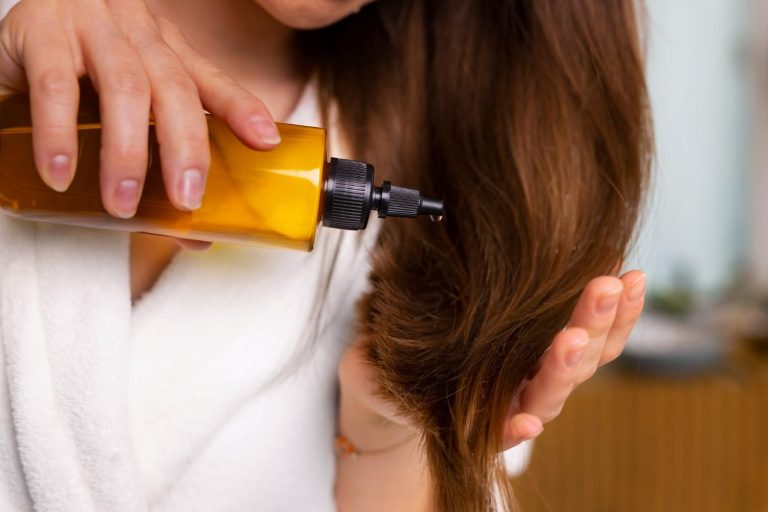
Scalp Massage with Essential Oils: Combine a few drops of essential oil, like peppermint or lavender, with a carrier oil such as coconut or jojoba oil. Gently massage this mixture into your scalp for about 10 minutes. This not only helps the oil penetrate the skin but also stimulates blood circulation, which is essential for healthy hair growth.
-
DIY Hair Masks: Create a nourishing hair mask by mixing essential oils with yogurt or honey. Apply it to your scalp and hair, leaving it on for 30 minutes before rinsing. This treatment can hydrate your scalp and provide essential nutrients, promoting a healthier environment for hair follicles.
-
Add to Shampoo: Enhance your regular shampoo by adding a few drops of essential oil. Choose oils known for their scalp benefits, such as tea tree or rosemary. This simple addition can help combat dryness and improve overall scalp health with each wash.
-
Steam Treatment: For a deep-conditioning effect, add essential oils to a bowl of hot water and lean over it with a towel covering your head. The steam will help the oils penetrate your scalp more effectively, providing intense hydration and relief from irritation.
-
Essential Oil Spritz: Create a refreshing scalp spray by diluting essential oils in water and adding a small amount of alcohol for preservation. Spritz this onto your scalp throughout the day to keep it hydrated and reduce itchiness.
-
Warm Compress: Mix essential oils with a carrier oil, warm it slightly, and apply it as a compress to your scalp. This method helps soothe inflammation and provides targeted relief for irritated areas.
-
Bath Soak: Add essential oils to your bathwater for a full-body relaxation experience that also benefits your scalp. Oils like chamomile or lavender can help soothe the scalp while promoting overall relaxation.
Best Time & Dosage
Timing and dosage are crucial for maximizing the benefits of essential oils. The best time to apply essential oils is during a scalp massage or treatment at least once a week. For daily use, consider adding a few drops to your shampoo or conditioner.
When using essential oils, a general guideline is to dilute them with a carrier oil at a ratio of 3-5 drops per tablespoon of carrier oil. For scalp applications, a small amount—about a quarter-sized amount of the mixture—should suffice. Always perform a patch test before full application.
Safety & Precautions
-
Dilute Before Use: Essential oils should always be diluted with a carrier oil before applying them to the scalp.
Safety Note: Undiluted oils can cause irritation or allergic reactions. -
Patch Test: Conduct a patch test on a small area of skin to check for sensitivity.
Safety Note: If you experience redness or irritation, discontinue use immediately. -
Consult a Professional: If you have underlying scalp conditions or are pregnant, consult with a healthcare provider before using essential oils.
Safety Note: Some oils may not be safe for everyone, especially during pregnancy. -
Avoid Eye Contact: Be cautious not to get essential oils in your eyes.
Safety Note: If contact occurs, rinse thoroughly with water and seek medical attention if irritation persists. -
Store Properly: Keep essential oils in a cool, dark place to maintain their potency.
Safety Note: Improper storage can lead to the degradation of the oil’s beneficial properties.
5 Common Myths vs. Facts
-
Myth: Essential oils are ineffective for scalp health.
Fact: Numerous studies have shown that essential oils can improve scalp health and promote hair growth. -
Myth: All essential oils are safe for direct application.
Fact: Most essential oils require dilution to avoid skin irritation and adverse reactions. -
Myth: Essential oils can replace medical treatments for serious scalp conditions.
Fact: While they can be beneficial, essential oils should complement, not replace, medical advice and treatment. -
Myth: Only one essential oil is needed for scalp care.
Fact: Different oils offer various benefits; a combination may yield better results. -
Myth: Essential oils work instantly.
Fact: Improvements may take time; consistent use is key for noticeable benefits.
The Final Verdict
Incorporating essential oils into your scalp care routine can be a transformative experience. With their natural properties and proven benefits, these oils offer a holistic approach to enhancing scalp health. Remember to prioritize safety and consult with professionals when necessary. Embrace the power of nature, and you may find the relief and nourishment your scalp has been craving.
Get Your FREE Natural Health Guide!
Subscribe now and receive our exclusive ebook packed with natural health tips, practical wellness advice, and easy lifestyle changes, delivered straight to your inbox.