
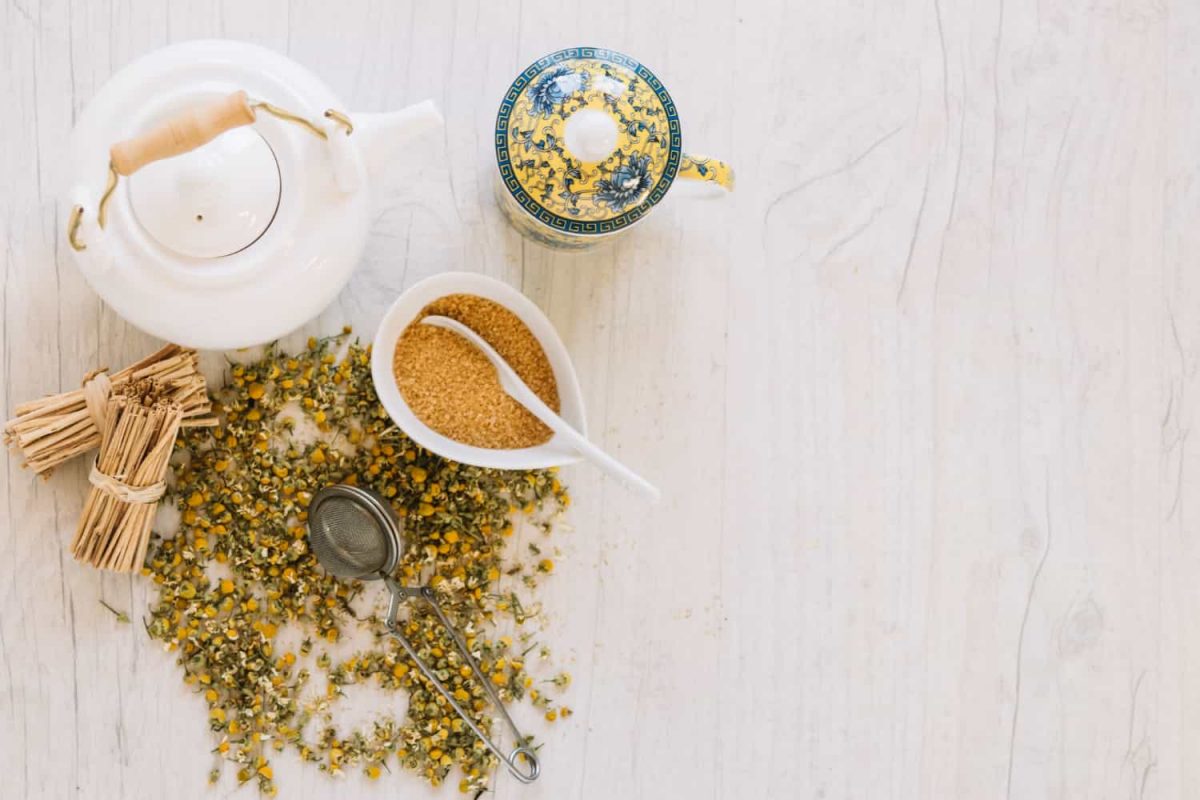

Understanding Herbs for Kidney Function and Natural Support for Wellness
The kidneys are vital, filtering processes that work tirelessly to maintain the body’s internal harmony. They play a significant role in managing fluid balance, supporting electrolyte levels, and assisting in the natural elimination of metabolic byproducts.
Many people want to support these critical functions through natural means. Botanical traditions worldwide have long recognized various herbs for their potential to contribute to kidney wellness and the body’s intrinsic cleansing efforts.
Integrating specific botanicals into a thoughtful wellness regimen may offer a complementary approach to nurturing these essential organs. This guide explores seven powerful herbs widely recognized for their supportive properties for kidney health.
Before exploring these botanicals, it’s important to remember that this information is educational and not a substitute for medical advice. People with underlying conditions often work with a qualified healthcare professional for personalized guidance regarding their kidney health.
1. Dandelion Leaf (Taraxacum officinale)
Dandelion isn’t just a common garden weed; its leaves carry a rich history of traditional use in supporting natural elimination. Historically, various cultures have used dandelion to encourage fluid balance within the body.
The botanical components found in dandelion leaves include various beneficial compounds. These elements are often discussed in the context of supporting overall bodily comfort and the body’s intrinsic processes of maintaining balance.
Its widespread presence and accessibility have made dandelion a popular choice for those interested in herbal support for general well-being. Many people explore dandelion for its gentle influence on hydration pathways.
- Active Compounds: Flavonoids, sesquiterpene lactones, potassium.
- Best Used For: Supporting fluid balance and general bodily comfort.
- Supports Wellness Aspects: Contributes to the body’s natural processes of eliminating excess fluids.
Wellness Integration Approach
Incorporating dandelion leaf into a daily routine often involves preparing it as an herbal infusion or consuming it as a fresh green in salads.
2. Nettle Leaf (Urtica dioica)
Nettle, often known for its stinging hairs, transforms into a valuable botanical when harvested and prepared appropriately. Its leaves have been prized for centuries in folk practices, particularly for their role in supporting urinary tract wellness.
This herb is a source of various phytonutrients, including vitamins, minerals, and polyphenols. These constituents are thought to contribute to its traditional reputation for general health and vitality, particularly in relation to fluid management.
Many individuals turn to nettle leaf tea or extracts to complement their efforts in maintaining overall kidney comfort and support for the body’s natural cleansing mechanisms. Its historical use spans multiple continents, reflecting its enduring popularity.
- Active Compounds: Flavonoids, carotenoids, vitamins, minerals.
- Best Used For: Supporting urinary tract comfort and overall fluid balance.
- Supports Wellness Aspects: Assists the body in managing fluid levels and maintaining a sense of well-being.
Personalized Herbal Consideration
To benefit from nettle leaf, one might consider a warm nettle tea prepared from dried leaves or a carefully sourced standardized extract.
3. Parsley (Petroselinum crispum)
Parsley is more than just a garnish; it holds a long-standing place in traditional herbalism for its potential contributions to health. Its vibrant green leaves and roots have been historically valued for their general supportive effects on various bodily systems.
The herb contains a spectrum of compounds, including essential oils and flavonoids, which are often discussed in relation to plant health benefits. These natural components contribute to parsley’s reputation as a wellness-supporting botanical.
Many people incorporate parsley into their diet not only for its flavor but also to support overall fluid equilibrium and the body’s intrinsic processes. It’s a gentle option for daily nutritional and herbal support.
- Active Compounds: Apiol, myristicin, flavonoids, vitamin K.
- Best Used For: Supporting general fluid balance and internal cleansing efforts.
- Supports Wellness Aspects: Helps the body maintain its natural fluid dynamics and vitality.
Incorporating Daily
Adding fresh parsley generously to meals or preparing a simple parsley infusion can be a pleasant way to integrate this herb.
4. Juniper Berry (Juniperus communis)
Juniper berries, while botanically cones, have a distinctive aroma and a significant history in traditional practices. For centuries, various cultures have utilized these berries for their perceived supportive role in maintaining the body’s natural fluid regulation.
The unique essential oils present in juniper berries are a key aspect of their traditional applications. These compounds are widely recognized for their aromatic qualities and their discussion in the context of traditional plant-based wellness practices.
Individuals exploring natural approaches to internal comfort and elimination often consider juniper berries. They are frequently found in herbal blends aimed at supporting general vitality and the body’s inherent cleansing pathways.
- Active Compounds: Terpinen-4-ol, alpha-pinene, beta-myrcene.
- Best Used For: Supporting natural fluid balance and internal comfort.
- Supports Wellness Aspects: Contributes to the body’s efforts to manage hydration and maintain overall ease.
Considered Use
Juniper berries can be found in various forms, including tinctures or as a component in herbal teas, often used with guidance from knowledgeable practitioners.
5. Goldenrod (Solidago virgaurea)
Goldenrod, with its striking yellow plumes, is a well-regarded botanical in European herbal traditions. Its historical applications often center on supporting a healthy urinary tract and encouraging normal fluid flow within the body.
This herb contains a rich array of compounds, including flavonoids and saponins, which are subjects of interest in botanical studies. These constituents are considered to contribute to goldenrod’s traditional properties, particularly concerning general internal well-being.
Many people seeking to support their body’s inherent cleansing processes and maintain comfortable urinary function explore goldenrod. It’s often valued for its gentle yet consistent supportive presence in herbal regimens.
- Active Compounds: Flavonoids, saponins, phenolic glycosides.
- Best Used For: Supporting urinary tract wellness and natural fluid elimination.
- Supports Wellness Aspects: Assists the body in maintaining healthy fluid dynamics and overall comfort.
Herbal Infusion Method
Preparing an herbal infusion from dried goldenrod aerial parts is a traditional way to explore its supportive properties for general wellness.
6. Hydrangea Root (Hydrangea arborescens)
Hydrangea root has a fascinating history in Native American traditional practices, particularly for its connection to fluid balance and internal cleansing. It’s often discussed in the context of supporting the body’s normal processes within the urinary system.
The root contains several unique compounds, including hydrangin and saponins, which are key to its traditional recognition. These botanical constituents contribute to the discussions around hydrangea’s supportive qualities for general well-being.
Individuals interested in plant-based support for a sense of comfortable elimination and healthy fluid movement often consider hydrangea root. Its traditional use points to a long-standing appreciation for its contributions to vitality.
- Active Compounds: Hydrangin, saponins, flavonoids.
- Best Used For: Supporting fluid balance and internal cleansing comfort.
- Supports Wellness Aspects: Helps the body maintain its natural fluid processes and promotes a feeling of ease.
Considered Formulations
Hydrangea root is typically consumed as a decoction or in a tincture form, often under the guidance of those familiar with traditional botanical uses.
7. Crataeva (Crataeva nurvala)
Crataeva, also known as Varuna, is a highly regarded herb in Ayurvedic tradition, particularly for its profound connection to urinary health and the body’s natural purification systems. It has been used for millennia to support the entire urinary tract.
The bark of the Crataeva tree is rich in active constituents, including lupeol, cadinene, and various plant sterols. These compounds are often discussed in the context of maintaining various internal functions and supporting the body’s natural balance. Research from the National Institutes of Health highlights the traditional significance of botanicals in wellness practices.
People looking for comprehensive herbal support for urinary comfort and the body’s innate cleansing processes frequently explore Crataeva. Its deep roots in ancient wellness systems underscore its value as a botanical ally.
- Active Compounds: Lupeol, cadinene, plant sterols.
- Best Used For: Supporting comprehensive urinary comfort and natural elimination processes.
- Supports Wellness Aspects: Aids the body in maintaining optimal urinary tract wellness and fluid dynamics.
Traditional Preparation
Crataeva bark is traditionally prepared as a decoction or taken as part of a complex herbal formula, often following Ayurvedic principles.
Comparative Overview of Herbal Support for Kidney Wellness
Each herb offers unique attributes that can contribute to overall kidney and urinary tract comfort. Understanding their distinct properties can help inform your choices for personalized wellness support.
This table summarizes some key aspects of the herbs discussed, providing a quick reference for their traditional uses and general supportive qualities.
| Herb Name | Primary Traditional Focus | Notable Compounds | Common Preparations |
|---|---|---|---|
| Dandelion Leaf | Fluid balance, general comfort | Flavonoids, potassium | Tea, fresh greens |
| Nettle Leaf | Urinary tract comfort, fluid management | Flavonoids, minerals | Tea, extracts |
| Parsley | Fluid equilibrium, internal cleansing | Apiol, myristicin | Fresh, infusion |
| Juniper Berry | Natural fluid balance, internal ease | Terpinen-4-ol, alpha-pinene | Tincture, herbal blends |
| Goldenrod | Urinary tract wellness, fluid flow | Flavonoids, saponins | Infusion, extracts |
| Hydrangea Root | Fluid balance, comfortable elimination | Hydrangin, saponins | Decoction, tincture |
| Crataeva | Comprehensive urinary comfort, purification | Lupeol, plant sterols | Decoction, Ayurvedic formulas |
Frequently Asked Questions
How can herbs support kidney wellness?
Herbs are often discussed in the context of supporting the body’s natural processes related to fluid balance and comfortable elimination. Many botanicals contain compounds that are believed to contribute to overall vitality and well-being, which can indirectly support the body’s internal systems.
Are these herbs safe to use with other medications?
It’s always wise to discuss any herbal additions to your wellness regimen with a qualified healthcare professional, especially if you are currently using medications or have underlying health conditions. They can provide personalized guidance regarding potential interactions or suitability.
What’s the best way to incorporate these herbs?
The optimal way to incorporate these herbs can vary based on the specific botanical and your personal preferences. Common methods include preparing herbal teas or infusions, using standardized extracts or tinctures, or even adding fresh culinary herbs to your diet. Consulting with an herbalist or healthcare provider can offer tailored recommendations.
Can these herbs help with specific kidney concerns?
This information is educational and focuses on general wellness support. These herbs are traditionally recognized for contributing to overall vitality and fluid balance, not for treating specific medical conditions. Any kidney concerns should always be discussed with a qualified healthcare professional.
The Bottom Line
The world of botanicals offers a rich tapestry of options for those seeking to support their kidney wellness naturally. By understanding the historical uses and general supportive properties of herbs like dandelion, nettle, and crataeva, you can make informed decisions about your well-being.
Integrating these powerful herbs into a lifestyle that prioritizes hydration, balanced nutrition, and regular activity can complement your overall health goals. Always remember to approach botanical support thoughtfully and consult with a healthcare professional, especially if you have existing health considerations, for personalized guidance on your journey toward optimal health.
Explore your options with a trusted health practitioner.
Get Your FREE Natural Health Guide!
Subscribe now and receive our exclusive ebook packed with natural health tips, practical wellness advice, and easy lifestyle changes, delivered straight to your inbox.






