


Cultivating a Robust Wellness Mindset for Enduring Health
Achieving true well-being goes far beyond diet and exercise. It’s an intricate interplay of physical practices, mental fortitude, and emotional intelligence. The prevailing cultural narrative often emphasizes external actions, yet the internal landscape of our thoughts and beliefs holds profound influence over our health outcomes.
Developing a strong wellness mindset involves intentional shifts in perspective. These aren’t temporary fixes; they are fundamental reorientations that can redefine your relationship with health, creating a foundation that supports sustainable vitality and resilience.
Understanding these shifts offers a powerful framework. It equips you with the mental tools needed to navigate challenges, make informed choices, and foster a deeper, more enduring sense of well-being. This journey begins not with a change in habit, but with a change in thought.
1. From Reactive to Proactive Health
Many individuals approach health in a reactive manner, addressing issues only after symptoms appear. This mindset positions well-being as a response to ailment rather than a continuous state to cultivate. A proactive stance, conversely, prioritizes consistent effort and preventative measures, aiming to maintain equilibrium before imbalances manifest.
Consider the body’s natural rhythms. Our circadian biology, for instance, operates optimally with consistent sleep patterns and light exposure. Ignoring these fundamental needs can gradually erode physiological resilience. A proactive mindset respects these underlying biological processes, nurturing them daily.
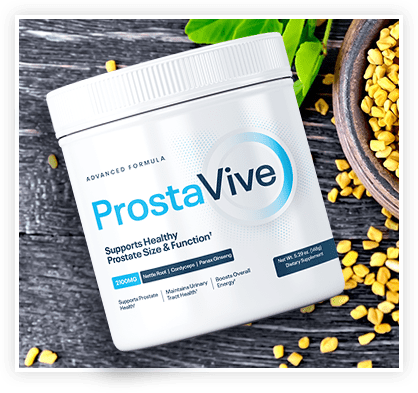
Prostavive™ Nutritional Support Formula
- Designed to support natural urinary rhythm and maintain normal nighttime habits
- Helps sustain uninterrupted rest and daily comfort against fragmented sleep
- Manufactured in a cGMP-compliant, FDA-registered facility without harsh synthetics
This shift also involves understanding the subtle signals your body provides. Before a major issue arises, there are often minor cues like persistent fatigue, digestive discomfort, or mood fluctuations. Recognizing and responding to these early indicators prevents minor issues from escalating into more significant challenges. It is about listening deeply to your internal landscape.
Embracing Foresight
- Core Principle: Prevention over intervention.
- Focus: Daily habits, consistent self-care.
- Outcome: Enhanced resilience, sustained vitality.
Implementing Daily Integration
Integrate daily routines that support physiological balance, such as mindful movement or regular nutrient-dense meals.
2. From Outcome-Driven to Process-Oriented
Our society often celebrates end results: weight loss numbers, marathon finishes, or specific health markers. While outcomes provide valuable feedback, an exclusive focus on them can lead to frustration and burnout when progress isn’t linear. A process-oriented mindset shifts attention to the journey itself, valuing the consistency of effort and the quality of daily actions.
This perspective recognizes that consistent, incremental actions compound over time. The daily choice to prepare a nourishing meal, engage in gentle movement, or dedicate moments to quiet reflection builds a robust framework. It’s less about the singular grand achievement and more about the aggregate of small, intentional steps.
The neurobiology of habit formation supports this approach. Repeated actions, even minor ones, strengthen neural pathways associated with those behaviors. Focusing on the process allows these neural connections to solidify, making healthy choices more automatic and less reliant on sheer willpower. This helps people integrate beneficial routines more readily.
Valuing the Journey
- Core Principle: Consistency of effort.
- Focus: Daily habits, small, actionable steps.
- Outcome: Sustainable progress, reduced overwhelm.
Establishing Routine
Establish a small, repeatable daily practice, such as a 10-minute walk or a few minutes of deep breathing, to foster consistency.
3. From Self-Criticism to Self-Compassion
Internal dialogue often veers towards harsh self-criticism, especially when striving for health goals. Berating oneself for perceived failures or deviations from a plan can be demotivating, creating a cycle of guilt and withdrawal. Self-compassion, however, involves treating oneself with the same kindness and understanding one would offer a friend.
Research indicates that self-compassion can reduce stress and increase motivation. When facing setbacks, a self-compassionate approach encourages learning from the experience without succumbing to self-judgment. This psychological safety allows for continued effort and experimentation, which are essential for long-term behavior change.
The physiological impact of chronic self-criticism is noteworthy. Persistent negative self-talk can activate the body’s stress response, influencing hormonal balance and immune function. Cultivating self-compassion helps dampen this response, fostering a more restorative internal environment. This shift supports overall physiological harmony.
Nurturing Inner Kindness
- Core Principle: Unconditional acceptance and understanding.
- Focus: Gentle self-talk, learning from setbacks.
- Outcome: Reduced stress, increased resilience, sustained motivation.
Practicing Mindful Pause
Pause during moments of self-judgment to acknowledge the feeling, then intentionally reframe your internal narrative with a kinder perspective.
4. From Isolation to Community Connection
Wellness pursuits are often framed as individual endeavors, but human beings are inherently social creatures. The absence of meaningful social connections can detrimentally impact both mental and physical health. Shifting from an isolated approach to one that embraces community connection recognizes the profound role of social support.
This connection extends beyond casual acquaintances. It involves seeking out individuals or groups who share similar values and goals, creating a supportive ecosystem. Whether through shared activities, online forums, or local wellness groups, belonging fosters a sense of accountability and encouragement that individual efforts sometimes lack.
The impact of social connection on health is well-documented. Strong social ties are associated with improved mood regulation, reduced risk perceptions, and enhanced coping mechanisms during stressful periods. These benefits underscore the importance of integrating social well-being into one’s comprehensive health strategy. People often find greater success when they do not feel alone.
Building Supportive Networks
- Core Principle: Social support for sustained well-being.
- Focus: Shared values, collective activities.
- Outcome: Enhanced accountability, emotional support, broader perspective.
Engaging Actively
Actively seek opportunities to connect with others who share an interest in well-being, whether through a local class or a community gathering.
5. From Scarcity to Abundance
A scarcity mindset often frames health in terms of limitations: limited time, limited resources, limited capabilities. This perspective can lead to feelings of deprivation and can hinder creative problem-solving. An abundance mindset, by contrast, views health through a lens of ample possibilities, existing resources, and inherent capabilities.
This shift encourages a focus on what is available rather than what is lacking. For instance, if access to a gym is limited, an abundance mindset might explore outdoor movement, bodyweight exercises, or community park activities. It fosters ingenuity and flexibility in approaching wellness challenges.
Psychologically, an abundance mindset can reduce feelings of overwhelm and foster optimism. Instead of feeling restricted, individuals perceive a wider array of choices and opportunities for growth. This positive outlook is critical for maintaining motivation and engaging with the continuous evolution of a wellness practice. Research from the Centers for Disease Control shows positive psychological traits often correlate with better health outcomes.
Embracing Opportunity
- Core Principle: Focus on possibilities and existing resources.
- Focus: Creativity, adaptability, resourcefulness.
- Outcome: Reduced overwhelm, increased optimism, innovative solutions.
Identifying Resources
List three existing resources or capabilities you possess that can support your well-being journey, however small they may seem.
6. From Rigidity to Adaptability
The pursuit of health can sometimes lead to rigid adherence to specific plans or dogmas. While structure is valuable, an inability to adapt when circumstances change can lead to frustration and abandonment of goals. An adaptable mindset recognizes that life is dynamic and that wellness practices must evolve accordingly.
This involves cultivating mental flexibility, allowing for adjustments when unexpected events occur. For example, a sudden work trip might disrupt a planned exercise routine. A rigid mindset might lead to feeling defeated, while an adaptable one seeks alternative ways to incorporate movement, even if it is simply walking during layovers.
Physiologically, our bodies are constantly adapting to internal and external stimuli. Supporting this natural adaptability through a flexible mindset can reduce stress responses associated with disruption. It acknowledges that imperfect action is often more beneficial than perfect inaction, especially in the long term. This allows for sustained progress.
Cultivating Flexibility
- Core Principle: Embracing change and adjusting plans.
- Focus: Mental flexibility, alternative solutions.
- Outcome: Reduced frustration, sustained progress, increased resilience.
Modifying Plans
When faced with an unexpected change, consider one small modification to your existing wellness plan rather than abandoning it entirely.
7. From External Validation to Internal Locus of Control
Many individuals seek external validation for their health choices, relying on compliments, social media likes, or approval from others. While external encouragement can be pleasant, making it the primary driver of wellness can lead to inconsistency and a fragile sense of self-worth. An internal locus of control, however, centers on one’s own values, intrinsic motivation, and personal conviction.
This shift involves connecting with your personal ‘why’. Why is wellness important to you, beyond what others might think? This deeper understanding provides an unwavering source of motivation that originates from within. It grounds your actions in your authentic desires and beliefs.
Developing an internal locus of control strengthens self-efficacy. When you trust your own judgment and are guided by your inner compass, you become less susceptible to fleeting trends or external pressures. This empowerment leads to more consistent, self-directed choices that genuinely align with your long-term health objectives. People find greater consistency when their motivation comes from within.
Empowering Inner Guidance
- Core Principle: Self-motivation and personal conviction.
- Focus: Intrinsic values, personal ‘why’.
- Outcome: Sustained motivation, enhanced self-efficacy, authentic choices.
Reflecting on Values
Spend a few minutes reflecting on why enduring health matters to you personally, connecting it to your deepest values and aspirations.
Comparing Mindset Shifts for Wellness
Understanding the distinctions between common approaches and these more empowering mindset shifts can clarify your path. This table highlights key differences, emphasizing how each shift reorients your perspective towards more sustainable wellness.
| Traditional Approach | Wellness Mindset Shift | Key Benefit |
|---|---|---|
| Waiting for problems to arise | Proactive Health | Maintains consistent physiological balance |
| Focusing solely on end goals | Process-Oriented | Builds consistent, sustainable habits |
| Harsh self-judgment for setbacks | Self-Compassion | Fosters resilience and reduces stress |
| Navigating health alone | Community Connection | Offers support, accountability, and shared wisdom |
| Feeling limited by circumstances | Abundance Mindset | Uncovers creative solutions and possibilities |
| Strict adherence to rigid plans | Adaptability | Allows for flexibility and sustained progress |
| Seeking approval from others | Internal Locus of Control | Empowers authentic, self-directed choices |
Frequently Asked Questions
People often have specific questions as they begin to explore these deeper concepts of wellness.
How quickly can someone experience changes by adopting these mindset shifts?
Shifting one’s mindset is a gradual process, not an immediate transformation. Some individuals may notice subtle improvements in their outlook and energy levels within weeks, while deeper, more ingrained patterns can take months or even years of consistent practice to fully integrate. Persistence is key, as is a gentle approach to self-assessment.
Do these mindset shifts replace the need for physical health practices?
Absolutely not. These mindset shifts are designed to complement and enhance physical health practices, not replace them. They create the mental and emotional foundation that makes consistent healthy eating, regular movement, and adequate rest more sustainable and enjoyable. The mind and body work in concert; one cannot thrive without the other.
Can these shifts help with managing daily stress?
Many of these shifts directly support improved stress management. For instance, self-compassion helps mitigate the internal pressure of perfectionism, while an abundance mindset can reframe challenges as opportunities. An internal locus of control reduces dependence on external validation, lessening anxiety associated with external opinions. People with underlying conditions often work with a qualified healthcare professional for personalized guidance.
The Bottom Line
Achieving lasting wellness isn’t merely about what you do, but critically, how you think and perceive. These seven mindset shifts provide a profound framework for cultivating a richer, more resilient approach to your health journey. By moving from reactivity to proactive engagement, from self-criticism to self-compassion, and from external validation to internal guidance, you build a robust internal architecture that supports vibrant health.
Embracing these shifts requires intentional practice and a willingness to explore your own internal landscape. This information is educational and not a substitute for medical advice. The journey inward can be the most transformative step toward enduring well-being.
Consider which single mindset shift resonates most with you today, and explore one small action to begin cultivating it.
Get Your FREE Natural Health Guide!
Subscribe now and receive our exclusive ebook packed with natural health tips, practical wellness advice, and easy lifestyle changes, delivered straight to your inbox.





