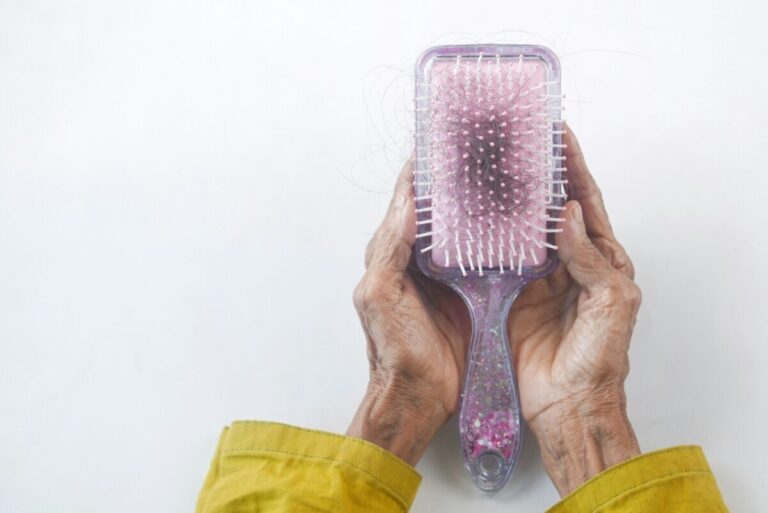
The Collective Struggle With Heavy Metal Toxicity And Sudden Hair Fall
We all know the frustration of finding far too many strands left behind on a hairbrush after a morning routine. This shared human experience often leads us to scour our lives for culprits ranging from stress levels to dietary gaps. Sometimes the answer hides in the silent buildup of substances we encounter daily.
Heavy metal toxicity and sudden hair fall often link together in subtle ways that demand our attention. High levels of environmental pollutants can interfere with the way our hair follicles function. This process disrupts the growth cycle by creating a hostile internal environment for new strands.
Heavy metal toxicity and sudden hair fall emerge when elements like mercury, lead, or arsenic accumulate in the body. These substances can interfere with nutrient absorption and disrupt normal cell growth cycles within the scalp. Identifying these potential exposures is a meaningful first step toward supporting healthy hair regrowth patterns.
Key Takeaways
- Blood lead levels above 5 micrograms per deciliter often indicate chronic environmental exposure in adults.
- Clinical data suggests that mercury accumulation frequently correlates with thinning hair and increased scalp irritation.
- Research from the National Institutes of Health confirms that trace minerals act as essential cofactors for healthy hair production.
Signs Of Accumulation In The Body
Our bodies have natural ways to clear out unwanted compounds, but these systems can become overwhelmed. When this occurs, certain parts of our physiology, including the hair, bear the brunt of the load. Paying attention to these signs allows for earlier adjustments to a wellness routine.
- Brittle Texture Changes are frequently reported when systemic levels of inorganic pollutants rise.
- Slow Growth Velocity occurs because follicles lack the necessary energy to sustain active development cycles.
- Scalp Sensitivity Issues arise as a localized response to the presence of metallic deposits near the skin surface.
Understanding The Physiological Process
The hair follicle remains one of the most metabolically active parts of our body. It requires a steady supply of nutrients to function well. When excess minerals enter the system, they often compete with helpful nutrients for space in our cells.
Think of this as a crowded room where only so many people can fit. If toxic elements occupy the chairs, the essential vitamins cannot get the support they need. This process leaves the hair follicle without the fuel it requires to build a strong shaft.
| Element Type | Common Source | Observed Effect |
|---|---|---|
| Mercury | Large Fish | Follicle Inflammation |
| Lead | Old Paint | Growth Stunting |
| Arsenic | Contaminated Water | Strand Weakening |
Environmental Exposure Factors
Daily surroundings play a larger role than many realize. Our homes, workplaces, and outdoor habits shape our internal chemical profile. Identifying where these items originate provides a pathway for limiting further intake.
- Water Quality Concerns are often managed by using high quality carbon filters for drinking and cooking.
- Dietary Choices involve favoring smaller aquatic species to keep mercury intake at a lower point.
- Home Maintenance focuses on removing lead based materials during any renovation or cleaning project.
Nutrient Interaction And Balancing
Our bodies rely on a delicate balance of minerals to maintain structural integrity. Certain minerals help protect against the storage of unwanted elements. Maintaining adequate levels of zinc and selenium supports the body in its natural cleansing actions.
Data from the National Library of Medicine highlights how mineral status influences physical vitality. I focus on whole food sources to ensure these nutrients remain bioavailable. Supplements are secondary to a nutrient dense diet.
Practical Demonstration Of Intake Calculation
Let us look at a simple way to track potential exposure risks through a weekly log. Keeping a record helps identify patterns that otherwise remain invisible. This approach emphasizes awareness over anxiety.
Calculate your weekly potential exposure by assigning a numerical value to your food and water sources. For example, give a value of one for every serving of high mercury fish consumed. Assign a zero to filtered water and a two to tap water from an aging infrastructure.
Aim for a total weekly score below five to keep your intake within a safe range. Most individuals find that switching to filtered water reduces their score by half. This simple adjustment lowers the overall burden on the body over time.
Cofactors For Healthy Hair Follicles
Supporting hair health goes beyond just avoiding negative inputs. We must provide the right materials for growth. Biotin, iron, and protein serve as the primary building blocks for every strand.
I prioritize foods like lentils, eggs, and leafy greens to provide these resources. Iron is particularly important for oxygen delivery to the scalp. Evidence from educational archives shows that iron storage status directly impacts hair retention. Balancing these levels is a foundational pillar for any wellness goal.
Frequently Asked Questions
Can hair tests accurately show mineral levels?
Hair analysis can reflect the accumulation of substances over a longer period compared to blood tests. These samples capture the mineral content present as the hair strand developed over several months.
Wellness professionals often use these results to identify chronic exposure rather than recent spikes. It is essential to choose a certified laboratory to ensure the accuracy of the findings. Always review the data with an open mind regarding your lifestyle habits.
Are there natural ways to support cleansing?
Supporting the liver and kidneys is the most effective approach for natural body cleansing. These organs process and eliminate substances that we encounter in our daily lives. Staying hydrated and eating fibrous vegetables helps these systems function with ease.
Focusing on antioxidants like Vitamin C helps combat the internal tension created by pollutants. These compounds help maintain cellular health and protect tissues from damage. Never stop or change any medication without consulting the provider who recommended it.
How long does hair take to recover?
Hair growth happens in cycles that last for several months or even years. Changes in internal health often take three to six months to manifest in the physical appearance of the hair. Patience is a necessary component of the process.
Consistent habits allow the body to prioritize hair production once it feels safe to do so. Small, daily improvements yield the most significant results over time. Consistency remains the most reliable strategy for long term success.
Does age influence mineral storage?
As we age, our bodies may become less efficient at processing and removing environmental elements. This leads to a higher risk of storage in tissues like hair and bone. Older individuals benefit from closer monitoring of their water and food quality.
Being proactive about indoor air quality and household safety becomes more important with time. Simple changes in the home environment can significantly reduce the total lifetime burden. Prioritizing these shifts keeps the body functioning well throughout every decade.
Can supplements interfere with mineral balance?
Excessive use of single nutrient supplements can sometimes upset the balance of other minerals in the body. For instance, too much zinc can lead to a deficiency in copper. It is better to obtain nutrients through a varied and whole food based diet.
If you choose to use supplements, ensure they come from a reputable source. Overloading the system with vitamins can be as stressful as dealing with unwanted metallic elements. Balance is always the goal when supporting natural biological cycles.
The Bottom Line
Heavy metal toxicity and sudden hair fall act as a reminder that our bodies are constantly responding to the environment. By reducing exposure to common pollutants, we allow the body to dedicate resources back to essential growth. Focus on high quality water, whole foods, and a steady, calm approach to wellness.
Start by auditing your daily water source and food quality today. Monitor these variables for a few weeks to see how your body responds. Consult a licensed healthcare provider before starting any new wellness routine.
Those with underlying health conditions or specific autoimmune concerns should approach this guidance with caution. Individuals taking prescribed medication must discuss any changes with their primary provider. Consult a licensed healthcare provider before starting any new wellness routine.
Get Your FREE Natural Health Guide!
Subscribe now and receive our exclusive ebook packed with natural health tips, practical wellness advice, and easy lifestyle changes, delivered straight to your inbox.