Understanding Why Your Body Feels So Heavy After A High Carb Meal
I find that the physical lull following a significant intake of starch often clouds my afternoon focus. My own research indicates that this sensation is a common ripple effect of how internal systems process energy sources. Understanding the biology behind this shift helps me manage my daily energy levels with greater intention.
Many individuals seek clarity on why their productivity drops after a hearty lunch. My analysis of wellness trends points toward specific hormonal and circulatory shifts occurring within the bloodstream. Observing these patterns allows for smarter adjustments to my daily menu.
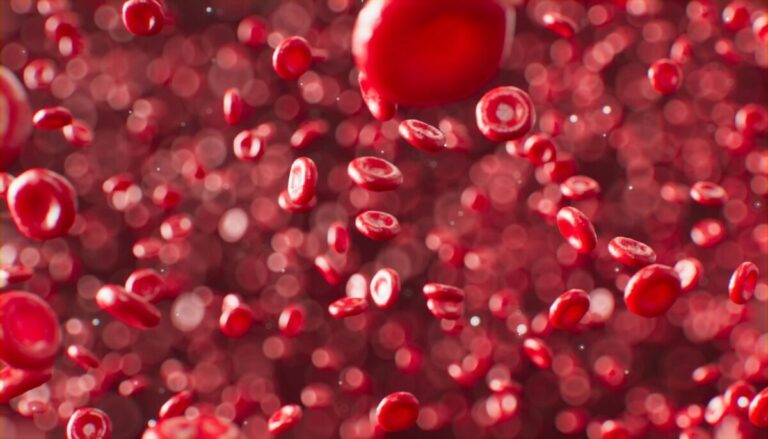
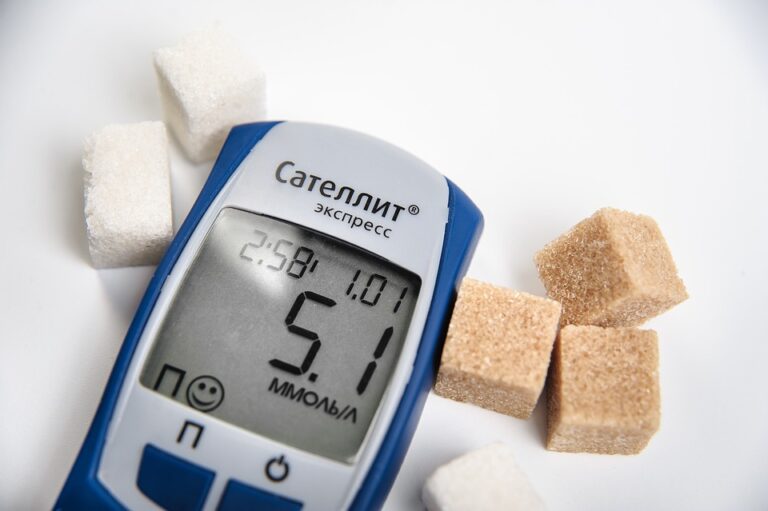
Why Your Body Feels So Heavy After A High Carb Meal is primarily due to a rapid rise in blood sugar followed by a sharp insulin release that triggers serotonin production in the brain. This hormonal cascade leads to a temporary state of physical lethargy as the nervous system shifts toward a restful state. Managing starch intake helps maintain stable focus throughout the day.
Key Takeaways
- Blood Glucose Variability: Significant spikes often lead to a subsequent drop in energy as cellular uptake of sugar clears the bloodstream.
- Serotonin Synthesis: Research from the National Institutes of Health indicates that insulin encourages the entry of tryptophan into the brain, where it becomes serotonin.
- Circulatory Redistribution: The digestive process diverts a larger volume of blood toward the stomach and intestines to facilitate the breakdown of complex structures.
Physiological Factors In Post-Meal Lethargy

Ritual™ Daily Multivitamin
- Formulated to help close common nutrient gaps often caused by on-the-go routines
- Designed to support daily baseline nutritional health without mega-dosing or unnecessary fillers
- Manufactured in a cGMP-compliant, FDA-registered facility
The human body prioritizes digestion when faced with a high volume of intake. This demand requires a shift in blood flow away from the muscles and toward the gastrointestinal tract. Such redirection can manifest as a subtle feeling of physical stagnation.
Insulin plays a central role in this process. When sugar levels climb, the pancreas releases this hormone to help cells move fuel out of the blood. This movement is a necessary part of cellular life.
The byproduct of this shift is often a feeling of drowsiness. The brain detects the hormonal changes and responds by slowing down metabolic output. It is a natural feedback loop intended to encourage recovery.
Nutrient Absorption And Blood Flow Dynamics
Digestion is a resource-intensive process. The U.S. National Library provides data regarding how the gut manages caloric breakdown. When you consume dense portions, your core body temperature and heart rate may shift slightly.
| Substrate Type | Absorption Speed | Energy Impact |
|---|---|---|
| Simple Sugars | Fast rate | Short peak |
| Complex Fiber | Slow rate | Steady output |
| Refined Grains | Medium rate | Variable drop |
This data highlights why the density of the food matters. Fast-acting fuel sources create a steep curve in your internal data. Slower fuel sources sustain the system for longer durations.
The Role Of Tryptophan In Brain Function
Tryptophan is an amino acid that reaches the brain after a high-intake event. Insulin secretion makes it easier for this compound to cross the blood brain barrier. Once inside, it converts into neurochemicals that promote calm.
This explains the transition from alertness to a desire for rest. It is not an error in the system but a design feature. Understanding this allows for better timing of your larger meals.
Practical Demonstration Of Blood Sugar Management
To visualize the impact, consider a simple calculation of your daily consumption. If you consume 60 grams of starch without fiber, your glucose rise will be sharp. If you add 15 grams of fiber, the absorption delay is noticeable.
- Start with a baseline: Identify your typical portion size in grams.
- Assess fiber density: Look for at least 3 grams of fiber per 20 grams of starch.
- Measure the result: Check your energy level 60 minutes after the meal.
This simple habit acts as a buffer. It smooths the arrival of fuel in your cells. Consistency here creates a more stable physical experience throughout the afternoon.
Strategies For Maintaining Sustained Energy
Planning your intake is a practical way to manage the afternoon dip. Focus on the sequence of your bites. Starting with greens helps coat the stomach and slows down later starch absorption.
Hydration also serves as a vital component. Water assists in the digestive transit. Proper fluid intake ensures that the metabolic process remains efficient.
The Importance Of Micro-Movement
A brief walk after finishing your meal can counteract the heaviness. Movement encourages the muscles to utilize the fuel circulating in the blood. This prevents the stagnation that often follows a stationary period.
Even five minutes of light activity provides a benefit. It signals to the body that the energy is needed for movement rather than storage. This simple switch changes the outcome of your meal.
Frequently Asked Questions
How does fiber change the digestion of starch?
Fiber creates a physical matrix in the intestines that traps sugar molecules. This process prevents the rapid movement of glucose into the bloodstream, which is a major factor in avoiding energy spikes.
By slowing this transit, fiber keeps the release of insulin steady and manageable. This results in a more balanced feeling for the individual long after the meal finishes.
Are there specific times of day that worsen this sensation?
The human circadian rhythm influences how the body processes fuel. Research from the Centers for Disease Control shows that metabolic sensitivity is often lower in the evening hours compared to the morning.
Consuming large portions late in the day can exaggerate the feeling of heaviness. Aligning your most dense meals with your highest activity windows helps mitigate this effect.
Can hydration level influence my energy after eating?
Adequate water intake is essential for the chemical reactions involved in breaking down food. When you are dehydrated, the digestion process can become slightly more sluggish.
Low fluid levels also impact blood volume, making it harder for the body to circulate nutrients to the tissues. Keeping a glass of water nearby is a simple way to support metabolic health.
Why do some people experience this more than others?
Individual metabolic diversity plays a significant role in how fuel is processed. Genetics, muscle mass, and daily activity levels all influence the speed of glucose uptake.
Those with higher levels of lean muscle mass often clear glucose from the blood more efficiently. This provides a natural cushion against the heavy sensations that others might experience more frequently.
Should I avoid starches altogether to stop this feeling?
Completely removing food groups is rarely the most sustainable path for long-term health. The goal is to focus on the quality and the context of the food being eaten.
Prioritizing whole, unprocessed sources allows the body to access fuel in a controlled way. Most individuals find that simple adjustments to portion and pairing provide relief without restricting variety.
The Bottom Line
Understanding why your body feels so heavy after a high-carb meal empowers you to make intentional choices. By balancing your intake with fiber, movement, and hydration, you can maintain steady energy throughout your day.
Observe your personal response to different foods to identify what works for your unique physiology. Start by adding a side of greens to your next meal and notice the difference in your afternoon focus.
This information is for educational purposes and is not a substitute for clinical advice. Never stop or change any medication without consulting the provider who recommended it. Consult a licensed healthcare provider before starting any new wellness routine.
Get Your FREE Natural Health Guide!
Subscribe now and receive our exclusive ebook packed with natural health tips, practical wellness advice, and easy lifestyle changes, delivered straight to your inbox.