
The discomfort associated with joint pain can significantly impact daily activities and overall quality of life. Individuals suffering from conditions such as arthritis often seek natural remedies to alleviate their symptoms. Among various options, ginger tea stands out as a potent natural remedy that may enhance joint circulation and reduce inflammation. This beverage offers a flavorful and soothing way to potentially address these issues while also providing a range of other health benefits.
Ginger has been utilized for centuries in traditional medicine for its anti-inflammatory and analgesic properties. When prepared as a tea, ginger releases its bioactive compounds, making it easier for the body to absorb and utilize these beneficial elements. The warmth of the tea can also help improve circulation, which is essential for joint health. By incorporating ginger tea into a daily routine, one might find a natural solution to manage discomfort and improve mobility.
Understanding how to effectively use ginger tea is crucial for maximizing its benefits. Preparation methods, timing, and dosage can all influence the effectiveness of this natural remedy. This guide will explore practical applications of ginger tea for joint circulation, discuss common mistakes to avoid, and highlight the scientific underpinnings of its efficacy.
Finally, considering safety and potential interactions is vital, as some individuals may need to approach this remedy with caution. This comprehensive exploration aims to equip you with the knowledge needed to integrate ginger tea into your wellness routine effectively.

Contents
How to Use Ginger Tea for Real Results
- Best Form: Fresh or dried ginger root
- Best Time: Morning or before physical activity
- Expected Result: Enhanced circulation and reduced discomfort
For Daily Protection
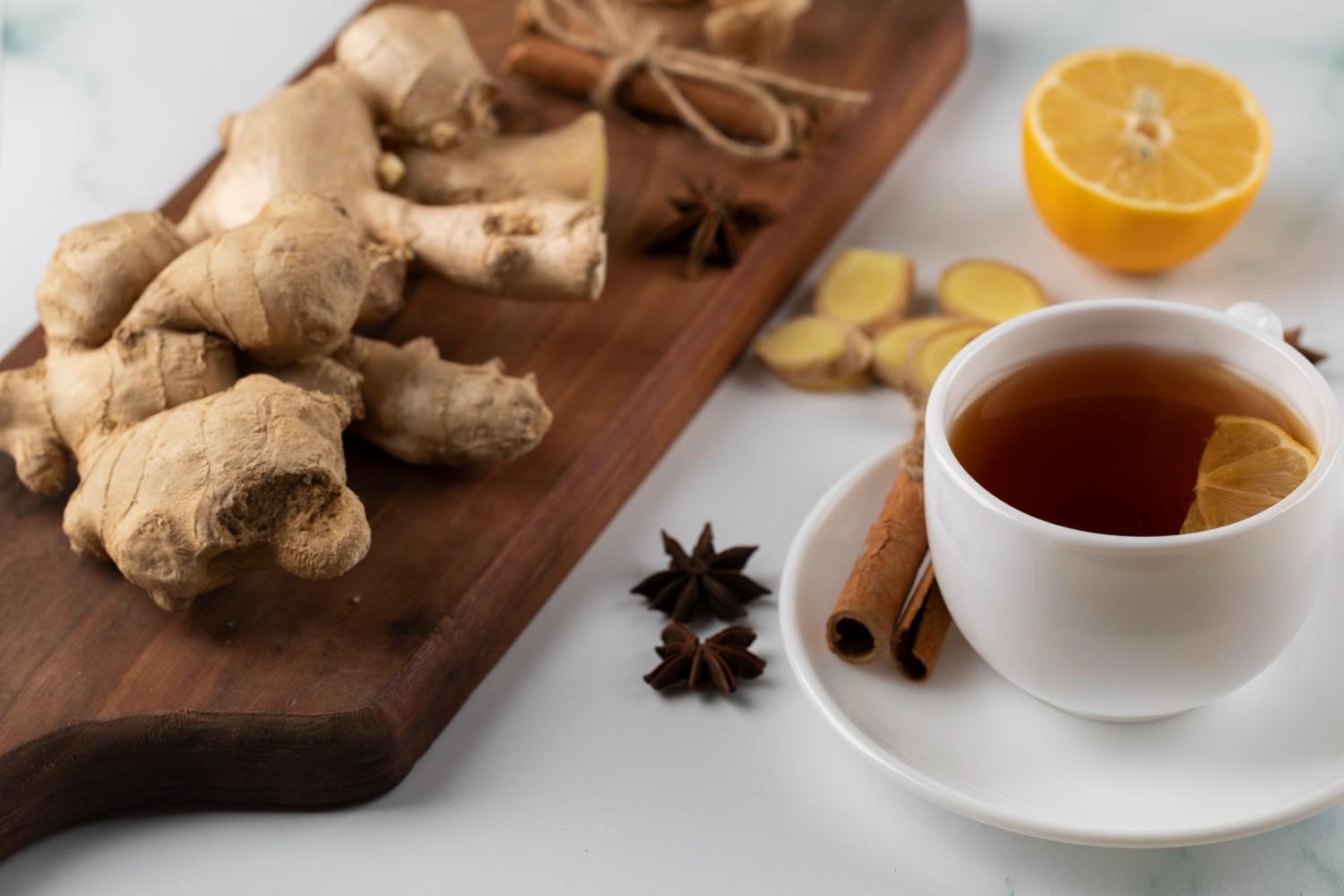
The Prep: Gather fresh ginger root, water, and optional honey or lemon for taste. Use about one to two inches of ginger per cup of water. Peel and slice the ginger into thin pieces to maximize the surface area for extraction.
The Action: Boil the water in a saucepan. Once boiling, add the sliced ginger and lower the heat. Allow it to simmer for about ten to fifteen minutes. Strain the tea into a cup and add honey or lemon if desired. This method ensures that the beneficial compounds are released into the water.
The Feeling: As you sip the tea, you may initially feel a warm sensation spreading through your body. The ginger’s heat can create a comforting feeling, which may linger for a while, promoting a sense of relaxation.
Pro Tip: Prepare a larger batch and store it in the refrigerator to have cold ginger tea available for a refreshing option later in the day.
Targeting Acute Pain
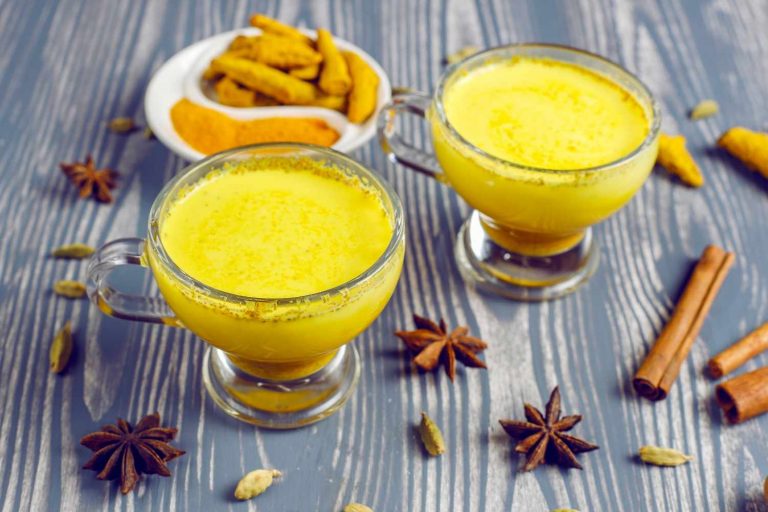
The Prep: You will need fresh ginger, turmeric root or powder, black pepper, and water. The combination of ginger and turmeric can enhance the anti-inflammatory effects.
The Action: Begin by boiling two cups of water. Add one inch of sliced ginger and one teaspoon of turmeric. If using powder, one teaspoon of each will suffice. Add a pinch of black pepper to improve the absorption of curcumin, the active compound in turmeric. Let it boil for about fifteen minutes, strain, and serve.
The Feeling: Upon drinking, you may notice a warming effect that can help soothe acute pain. The combination of ginger and turmeric may create a slightly spicy sensation that is invigorating yet calming.
Pro Tip: Drink this tea twice a day when experiencing acute discomfort for maximum relief.
The Nighttime Routine
The Prep: Gather fresh ginger, chamomile tea bags, and honey. Chamomile can enhance relaxation, making it a great addition before bedtime.
The Action: Boil one cup of water and add one sliced inch of ginger along with a chamomile tea bag. Steep for about five to ten minutes. Once brewed, sweeten with honey if desired.
The Feeling: Sipping this tea before bed can create a warm, calming sensation. Expect a soothing effect that may help reduce tension and promote better sleep, making it easier for your joints to recover overnight.
Pro Tip: Consider adding a slice of lemon for an extra layer of flavor and vitamin C.
Common Mistakes to Avoid
Using Low Quality Herbs
Many individuals overlook the importance of quality when selecting ginger for tea. Low-quality ginger may contain fewer beneficial compounds, which can diminish the effectiveness of the tea. Opting for organic, fresh ginger can ensure that you are consuming a product free from pesticides and other contaminants.
To avoid this mistake, purchase ginger from reputable sources. Check for vibrant color and firmness when selecting fresh ginger. If using dried ginger, ensure it is stored properly to maintain potency.
Neglecting Other Ingredients
Another common error is focusing solely on ginger without considering complementary ingredients. Adding turmeric, black pepper, or lemon can enhance the tea’s benefits. For instance, black pepper boosts the absorption of curcumin from turmeric, maximizing anti-inflammatory effects.
Incorporate these ingredients into your tea routine to amplify results. Experiment with different combinations to find what works best for your palate and wellness needs.
Overconsumption
While ginger tea offers many benefits, overconsumption can lead to side effects such as gastrointestinal discomfort. It is essential to find a balance that works for your body.
Start with one to two cups a day and monitor your body’s response. Adjust the intake as needed, and consult with a healthcare professional if experiencing any adverse effects.
The Mechanism Behind Ginger Tea
Ginger contains bioactive compounds known as gingerols and shogaols, which have demonstrated anti-inflammatory and antioxidant properties. These compounds can help improve blood circulation by relaxing blood vessels and enhancing blood flow to joints. This biological mechanism may lead to reduced inflammation and pain relief.
The key compound in ginger, gingerol, not only helps with inflammation but also has analgesic properties. By inhibiting certain enzymes and pathways involved in pain perception, ginger can effectively reduce discomfort associated with joint pain.
Clinical studies have supported these claims, showing that ginger can significantly reduce pain and improve joint function in individuals with osteoarthritis and rheumatoid arthritis. For a detailed exploration of the benefits, you can refer to this PubMed search.
Choosing the Right Product
- Potency: Ensure the ginger provides a sufficient concentration of active compounds. Higher potency often correlates with better results.
- Purity: Look for products free from additives and fillers. Pure ginger ensures you receive the maximum health benefits.
- Form: Fresh ginger may offer more benefits compared to dried. Consider your preferences and how you plan to use it.
Pros & Cons
| The Benefits | Potential Downsides |
|---|---|
| Reduces inflammation and pain | May cause gastrointestinal upset if overconsumed |
| Improves circulation | Possible interactions with certain medications |
| Rich in antioxidants | Quality varies among products |
Habits for Enhanced Results
Incorporating regular physical activity can significantly complement the benefits of ginger tea. Engaging in low-impact exercises, such as swimming or walking, can improve joint mobility and circulation.
Maintaining a balanced diet rich in anti-inflammatory foods can also support joint health. Foods like fatty fish, leafy greens, and nuts can enhance the effects of ginger tea.
Who Should Avoid This?
– Pregnant women should consult a healthcare provider before consuming ginger tea.
– Individuals on anticoagulant medications should speak with a doctor due to potential interactions.
– Those with gallbladder disease should avoid ginger, as it may exacerbate symptoms.
– Individuals with allergies to ginger or related plants should not consume ginger tea.
Common Questions
How often should I drink ginger tea?
Drinking one to two cups a day is generally recommended for potential benefits.
Can I add other ingredients to ginger tea?
Yes, adding turmeric, lemon, or honey can enhance flavor and health benefits.
Is ginger tea safe for everyone?
While generally safe, individuals with certain health conditions or those on medications should consult a healthcare provider.
How long does it take to feel the effects?
Some individuals may notice benefits within a few days, while others may take longer to experience significant results.
The Bottom Line
Ginger tea can be a valuable addition to your wellness routine for joint circulation and pain relief.
- The Truth: Individual results may vary based on overall health and lifestyle.
- The Strategy: Morning consumption can help kickstart circulation for the day.
- The Next Step: Consider pairing ginger tea with regular physical activity for enhanced benefits.
Get Your FREE Natural Health Guide!
Subscribe now and receive our exclusive ebook packed with natural health tips, practical wellness advice, and easy lifestyle changes, delivered straight to your inbox.