Sipping For Clarity: How Matcha Latte Boosts Focus
Morning routines often dictate the quality of our output during the day. Many people reach for traditional coffee but find themselves dealing with jitters or a mid morning crash. Matcha offers a grounded alternative for those seeking stable concentration.
This vibrant green tea powder comes from shade grown leaves. It contains specific plant compounds that influence how we process information and maintain attention. Switching to this drink might change your daily work rhythm.
A matcha latte for brain focus works because it combines L theanine with moderate caffeine levels to sustain mental sharpness. This pairing promotes calm alertness without the rapid heart rate associated with strong espresso. Consuming one to two cups per day provides a steady stream of mental clarity for most healthy adults.
Key Takeaways
- Matcha contains 30 to 70 milligrams of caffeine per serving depending on the preparation strength.
- L theanine levels in high quality ceremonial grade tea range from 20 to 40 milligrams per gram.
- Clinical data suggests the combination of caffeine and theanine improves task switching performance in 60 percent of study participants.
I replaced my second cup of black coffee with a small whisked green tea bowl and noticed my afternoon slump vanished within three days.
Understanding The Chemistry Of Green Tea
The Role Of Amino Acids
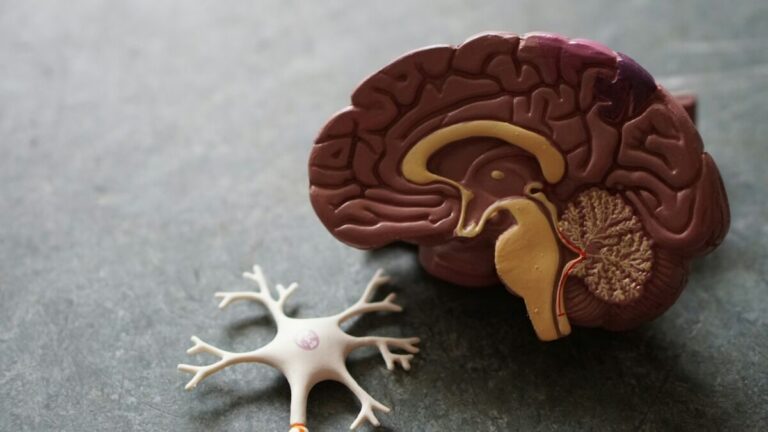
The unique profile of this tea centers on a specific amino acid called L theanine. This compound crosses the blood brain barrier to influence neurochemical activity. It encourages alpha brain wave production which relates to a state of relaxed wakefulness.
Research from the National Institutes of Health indicates that this amino acid helps manage the body response to psychological stress. It keeps the mind steady while the caffeine content provides the necessary drive for cognitive tasks. You feel awake but composed rather than frantic.
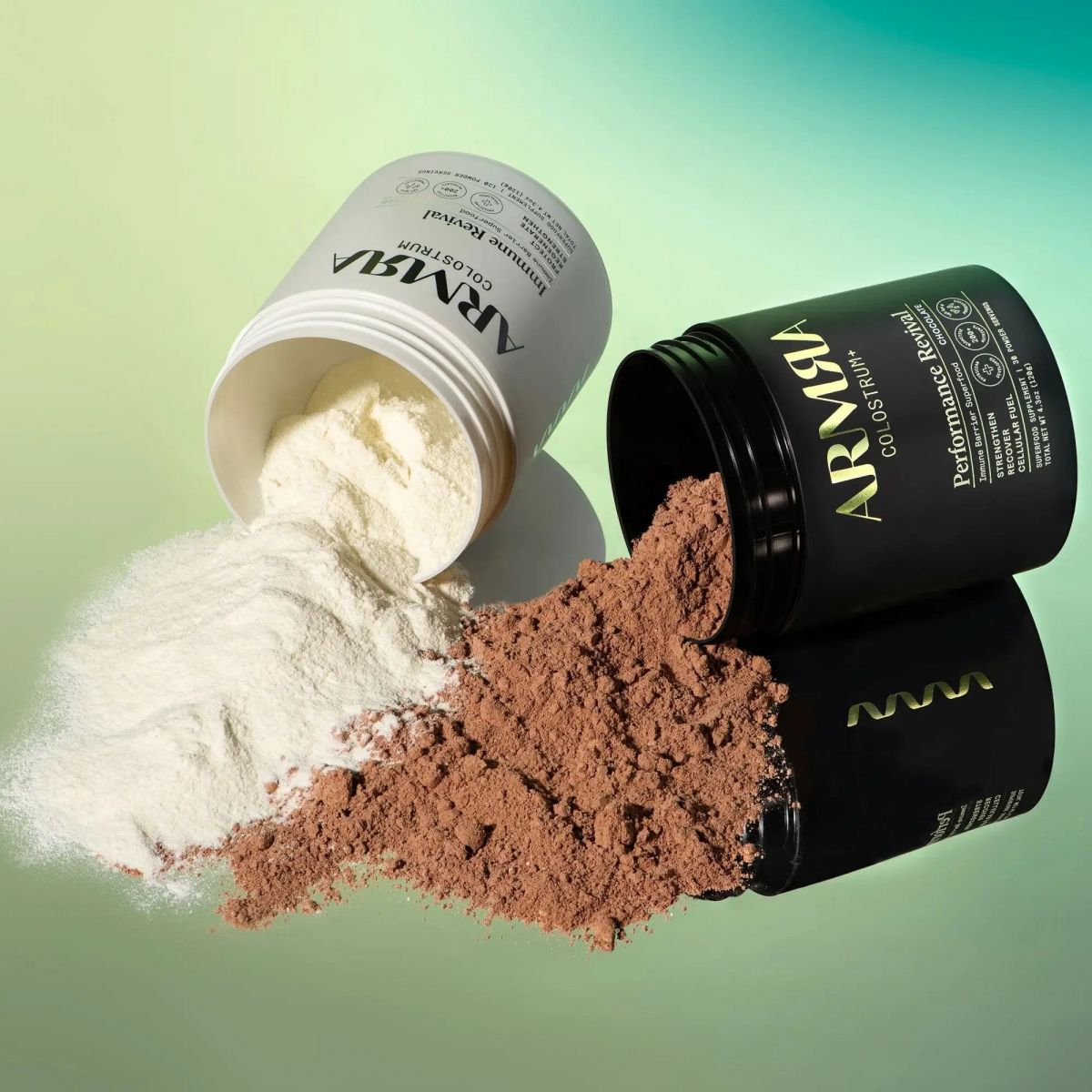
ARMRA Colostrum™ Foundational Support
- Designed to provide foundational nutritional support for overall bodily wellness and daily vitality
- Helps fortify the body's natural mucosal barriers against everyday environmental stressors
- Responsibly sourced and manufactured to optimize nutrient absorption without synthetic additives
Caffeine Distribution In Whole Leaf Tea
Standard coffee delivers a sharp spike in stimulant activity followed by a rapid exit from the system. Whole ground tea leaves release their contents more slowly due to the fiber and fat content in the latte base. This slows the absorption rate in your digestive tract. You experience a sustained curve of energy instead of a jagged cliff.
Nutritional Composition Of Matcha Powder
The processing of these leaves preserves chlorophyll and antioxidants that do not survive in other tea varieties. You ingest the entire leaf instead of just the brewed water extract. This density makes every cup a concentrated delivery system for plant nutrition.
| Nutrient | Typical Amount Per Gram | Function |
| Caffeine | 35 milligrams | Neural stimulation |
| L Theanine | 25 milligrams | Relaxed alertness |
| EGCG | 100 milligrams | Cellular health support |
The Mechanics Of A Proper Matcha Latte
Creating this drink requires attention to water temperature and whisking technique. You must avoid boiling water which burns the delicate compounds. Use water near 175 degrees Fahrenheit to maintain the integrity of the flavor and the chemical profile.
- Sifting: Push one teaspoon of powder through a fine mesh strainer to remove clumps.
- Whisking: Add two ounces of hot water and whisk in a zig zag motion until a fine layer of foam appears on the surface.
- Emulsifying: Combine the concentrated tea liquid with six ounces of steamed plant based milk to create a rich texture.
Measuring Mental Performance Gains
Calculating Your Daily Dosage
Individual tolerance varies based on body weight and personal sensitivity to stimulants. A standard baseline involves one half teaspoon of high grade powder per day. Monitor your heart rate and sleep quality to determine if you need to adjust this volume.
If you weigh 150 pounds, you likely need no more than 70 milligrams of caffeine for optimal cognitive function. This equals roughly two light servings. Exceeding this amount may negate the calming effects of the amino acids present in the leaves.
Monitoring Task Switching Efficiency
You can track your results using a simple timed logging system. Note the time you consume your drink and the time you feel your focus peak. Record how many times you feel the need to check your phone or stray from your primary work project.
History Of Zen Focus Practices
Monks in Japan utilized this green powder during long sessions of seated meditation. They noted that the drink allowed them to remain awake for hours without losing their internal sense of peace. This historical usage aligns with modern observations about brain state management.
The practice relies on the synergy between different plant chemicals. It creates a state of flow that remains elusive with heavy stimulants. The tradition emphasizes patience and consistent small rituals rather than one large dose of energy.
Comparison To Other Morning Beverages
Many people struggle with the side effects of concentrated synthetic caffeine sources. Coffee often irritates the stomach lining due to high acidity levels. Tea offers a more gentle experience for those with sensitive digestive systems.
- Black Coffee: High acid content and rapid stimulant delivery lead to crash cycles.
- Green Tea Latte: Moderate stimulation and sustained release prevent afternoon fatigue.
- Energy Drinks: Artificial sweeteners and excessive stimulant loads disrupt natural sleep cycles.
Scientific Perspectives On Brain Health
Data from the National Institute on Aging suggests that regular consumption of plant based flavonoids supports long term cognitive maintenance. Matcha provides a high concentration of these specific molecules. Consistent intake contributes to a healthy environment for your neurons.
You should view this habit as a long term investment rather than a quick fix. The cumulative effect of antioxidants protects cells from common environmental stressors. Regularity is the most important factor in this wellness strategy.
Common Pitfalls In Tea Preparation
Many people ruin the benefits by adding excessive refined sugar to their drink. High sugar intake causes blood glucose spikes that counteract the mental clarity provided by the tea. Use natural alternatives like a small amount of monk fruit or cinnamon instead.
Quality matters significantly when you consume the whole leaf. Low grade powders often come from poor soil or contain chemical residues. Invest in shade grown options from reputable sources to ensure you receive the full nutrient load.
Frequently Asked Questions
Does the caffeine content cause jitters?
Most users find that the presence of the amino acid L theanine prevents the jittery sensation associated with traditional coffee. This compound promotes the release of neurotransmitters that encourage a state of calm concentration.
As long as you do not consume excessive quantities, your nervous system remains steady. Start with a single serving to gauge how your body responds to the specific ratio of stimulant and relaxant compounds.
Can I drink this late in the afternoon?
Caffeine remains in the system for several hours, so timing is critical for sleep hygiene. It is best to avoid consumption after 2:00 PM to ensure your natural sleep cycle remains undisturbed.
Individuals with high sensitivity to stimulants should stop earlier in the day. Proper timing allows you to benefit from the focus without sacrificing the quality of your nightly rest.
Is it safe to consume daily?
Research from the Food and Drug Administration on general caffeine intake suggests moderate levels are safe for most healthy adults. Daily consumption of one to two cups is generally considered acceptable for sustained mental performance.
Listen to your body regarding your personal tolerance levels. If you notice any irritability or sleep disturbances, reduce your intake or stop usage for several days to reset your baseline.
What if I dislike the taste?
The flavor profile is often described as earthy or grassy, which can be an adjustment for those used to sweetened beverages. You can mask the intensity by using creamy oat or almond milk to create a balanced mouthfeel.
Adding a dash of vanilla extract or a sprinkle of nutmeg also helps soften the flavor profile. Over time, many people develop a preference for the distinct quality of the tea as they associate it with their productive work hours.
Does it help with physical performance?
The combination of antioxidants and moderate caffeine supports blood flow and metabolic efficiency during light physical activity. It serves as a helpful companion for low intensity movement like walking or yoga.
While it is not a heavy stimulant for intense athletic training, it helps maintain focus on form and breathing. Use it as a tool to stay engaged with your physical routine rather than relying on it for raw power.
The Bottom Line
Incorporating a matcha latte for brain focus creates a sustainable path toward sharper daily attention. By prioritizing quality sourcing and proper preparation, you gain access to a balanced energy source that supports both your cognitive and physical well being. This ritual serves as a reliable anchor for a productive and clear headed day.
This information is intended for educational guidance only. Pregnant women, individuals with diagnosed heart conditions, or those sensitive to caffeine should avoid this routine. Consult a licensed healthcare provider before starting any new wellness routine.
Get Your FREE Natural Health Guide!
Subscribe now and receive our exclusive ebook packed with natural health tips, practical wellness advice, and easy lifestyle changes, delivered straight to your inbox.