
How to Naturally Improve Pelvic Lymphatic Drainage for Better Well-being
Many individuals report a persistent sense of heaviness or congestion centered in the lower abdomen and hip region. This physical sensation often persists even when overall health appears robust. Understanding the internal flow of the lymphatic system helps resolve these common, yet often overlooked, feelings of local stagnation.
The lymphatic system lacks a central pump like the heart to circulate its fluid through the body. It relies entirely on muscle movement, respiratory changes, and manual pressure to navigate the complex web of vessels situated near the pelvis. Supporting these specific natural movements helps facilitate better fluid balance in the region.
To naturally improve pelvic lymphatic drainage, individuals can focus on diaphragmatic breathing techniques, consistent low-impact physical activity, and targeted gentle movement sequences that engage the psoas and hip flexor muscles. These approaches encourage the movement of lymph fluid toward the major drainage ducts, effectively reducing feelings of pressure or fluid buildup in the lower body.
Key Takeaways
- Flow Volume: The lymphatic system manages roughly 2 to 4 liters of fluid return daily, much of which moves through deep pelvic nodes.
- Pressure Dynamics: Diaphragmatic breathing can shift intra-abdominal pressure by up to 10 mmHg, which significantly influences fluid movement according to data from the NIH.
- Node Location: The body contains over 500 lymph nodes, with critical clusters residing in the inguinal area that filter fluids from the lower limbs and pelvic organs.
Simple Daily Habits to Improve Pelvic Lymphatic Drainage
- Deep Diaphragmatic Breathing: Slow, rhythmic breaths expand the rib cage and descend the diaphragm. This creates a vacuum effect that pulls fluid from the pelvic floor upward.
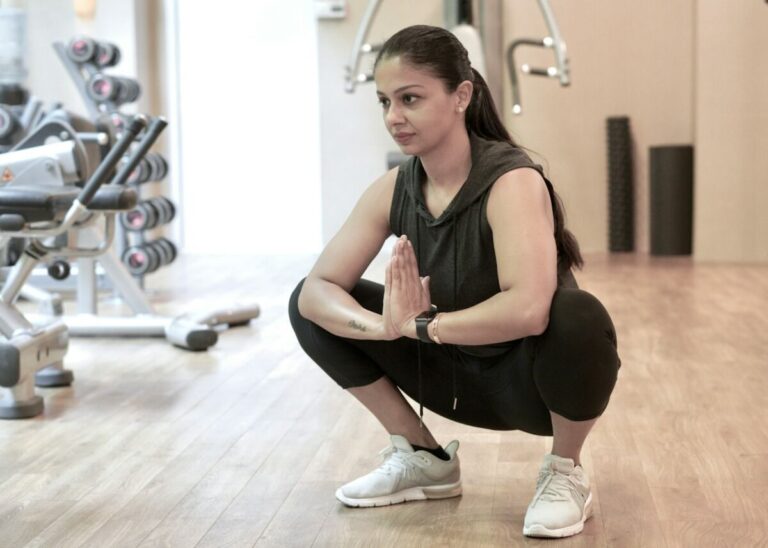
- Gentle Hip Opening: Incorporating static stretches that open the hips allows for better circulation through the inguinal region. These movements should never reach the point of pain or strain.
- Rhythmic Walking Patterns: Consistent strides engage the gluteal muscles and the pelvic floor. This natural oscillation acts as an internal massage for the deep tissues of the groin.
Comparative Overview Of Drainage Methods
| Method | Primary Action | Consistency Level |
|---|---|---|
| Diaphragmatic Breath | Internal vacuum pressure | High daily frequency |
| Gentle Movement | Muscle-led fluid shift | Medium daily frequency |
| Manual Elevation | Gravity-based relief | As needed only |
The Role Of Hydration And Nutrient Density
Proper fluid intake remains a pillar of lymphatic health. When the body experiences dehydration, lymph fluid thickens and moves with greater difficulty through the narrow vessels.
Maintaining adequate water levels ensures that the interstitial fluid remains thin and mobile. According to educational resources from the NIH, consistent hydration is required to maintain the volume of all body fluids, including the lymph. Focus on consistent sipping throughout the day rather than large, infrequent intakes.
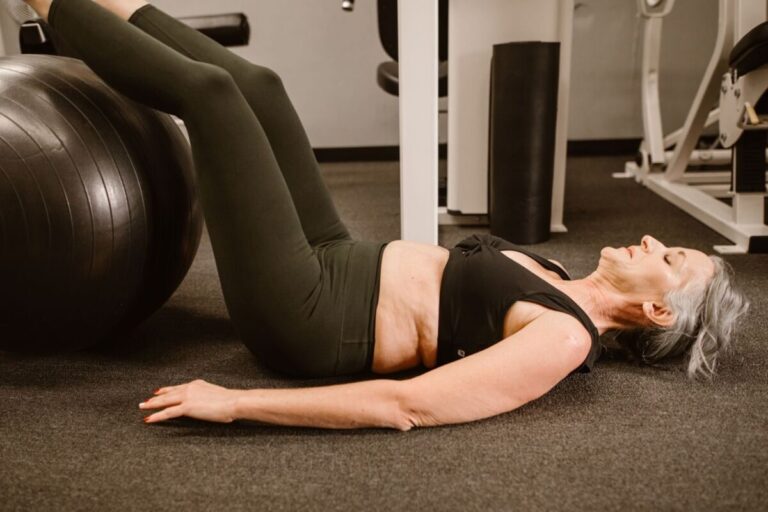
Demonstrating The Psoas Release Sequence
This sequence serves as a practical example for those seeking to reduce tension in the hip area. It focuses on releasing the muscles that often restrict lymphatic vessels near the groin.
- Start: Lie on the floor with feet flat and knees bent.
- Move: Slowly pull one knee toward the chest while keeping the other foot pressed firmly into the floor.
- Hold: Maintain this position for 30 seconds while focusing on relaxed, deep inhalations.
- Switch: Repeat the motion on the opposite side to balance the muscular tension in the pelvic girdle.
Addressing Physical Barriers To Fluid Flow
Physical habits often dictate how well fluids traverse the pelvic region. Tight clothing, especially around the waist or upper thighs, creates external pressure that restricts normal flow.
Opting for non-restrictive garments allows the body to move through its full range of motion. Scientific literature from the National Library of Medicine highlights that healthy circulation requires unobstructed space for vessels and nodes to function without external compression.
Frequently Asked Questions
How does posture influence the movement of lymph?
Posture dictates the alignment of the pelvic bowl and the tension of the surrounding musculature. When the pelvis is misaligned or held in a rigid position for long periods, the natural pathways for lymph can become compressed or inefficient.
Maintaining a neutral spine allows the diaphragm to move freely and the pelvic floor to contract and relax naturally during movement. Adjusting how an individual sits or stands can provide the space needed for fluid to move through the inguinal nodes without restriction.
What role does the pelvic floor play in drainage?
The pelvic floor muscles act as a support structure that influences the pressure gradients within the abdomen. Every time these muscles engage, they provide a gentle, rhythmic push that encourages lymph fluid to move toward larger vessels.
Weak or chronically tight pelvic floor muscles disrupt this rhythm. Practicing awareness of these muscles through gentle engagement helps maintain the internal environment required for steady lymphatic flow.
Are there specific times of day that work best for these movements?
Movement intended to support lymphatic flow is most effective when performed regularly throughout the waking hours. Rather than focusing on one long session, breaking the activity into small intervals prevents long periods of stagnation.
Morning movements help transition the body out of a period of low activity during sleep. Evening movements can help clear the accumulation of fluid that often occurs after a full day of sitting or standing.
Can diet influence the health of lymphatic vessels?
While no specific food acts directly on the lymph nodes, a diet rich in high-water-content vegetables and healthy fats supports overall fluid health. Managing inflammation through whole foods ensures that the vessels are not hindered by excessive metabolic waste.
Focusing on nutrient-dense options keeps the systemic environment stable. Reducing the intake of processed, high-sodium items prevents unnecessary fluid retention that can burden the lymphatic system.
Why is consistent movement prioritized over intense exercise?
High-intensity exercise can sometimes lead to localized inflammation that temporarily burdens the lymphatic system. Gentle, rhythmic movement sustains a constant, slow flow that is ideal for the delicate nature of lymphatic vessels.
This lower intensity avoids the potential for overexertion while still providing the muscle contraction needed to move fluid. Prioritizing consistency ensures that the system receives regular support rather than occasional, stressful bursts of activity.
The Bottom Line
Improving pelvic lymphatic drainage relies on consistent, low-impact habits that respect the body’s natural pressure systems. By prioritizing diaphragmatic breathing and gentle muscle engagement, individuals can reduce feelings of congestion and support long-term fluid balance.
Integrate a five-minute breathing or stretching break every hour during the workday to keep the pelvic region active and fluid. Consult a licensed healthcare provider before starting any new wellness routine.
Individuals with existing vascular conditions or chronic swelling should avoid self-directed protocols without professional guidance. Consult a licensed healthcare provider before starting any new wellness routine.
Get Your FREE Natural Health Guide!
Subscribe now and receive our exclusive ebook packed with natural health tips, practical wellness advice, and easy lifestyle changes, delivered straight to your inbox.