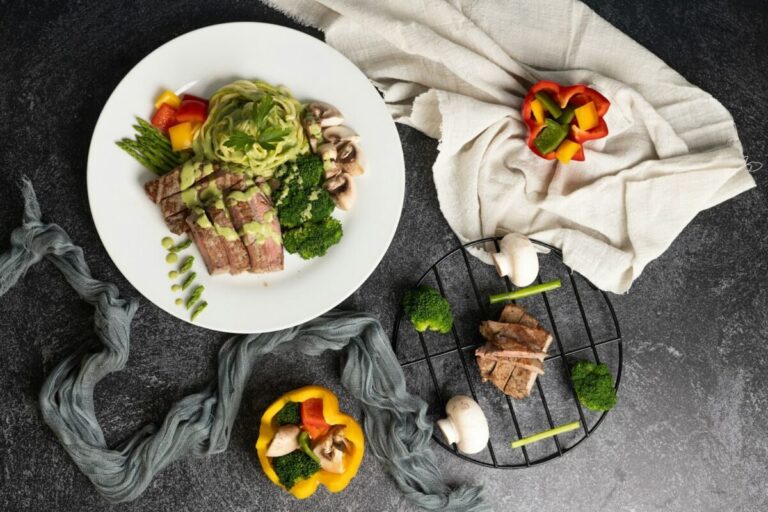
Savory Keto Meals That Highlight Fatty Fish Delights
Eating healthy often feels like a chore when you lack quick ideas. Many individuals struggle to maintain low carb habits because their dinner plates feel repetitive. Fresh ingredients from the ocean offer a solution for those needing satiating fuel.
You want meals that taste good and keep your energy stable. The right approach involves pairing oily aquatic proteins with healthy fats. This method supports your wellness goals without sacrificing flavor or variety.
Fatty fish for keto meals provide essential omega 3 fats and proteins that keep hunger at bay. These nutrient dense options contain zero carbohydrates, making them ideal for a ketogenic lifestyle. Most people find that three to four servings per week meet their core nutritional requirements.
Key Takeaways
- Cold water species contain 10 to 20 grams of healthy fats per 100 gram serving.
- Research from the National Institutes of Health confirms the value of long chain polyunsaturated fats.
- Focusing on sustainable options reduces the presence of mercury in your weekly diet.
I track my intake with friends to ensure we reach our daily protein goals. Relying on wild salmon and mackerel creates the best energy levels I witness in my daily interactions.
1. The Science Of Satiety With Aquatic Protein
Your body processes protein from sea life differently than it handles standard meats. The amino acid profile found in these tissues supports muscle maintenance during fat adaptation. This process requires a steady supply of building blocks that aquatic sources provide.
Bioavailability And Amino Acid Chains
The protein in salmon and sardines has high digestibility scores compared to plant sources. Your digestive system breaks these chains down with minimal effort. This efficiency prevents the post meal lethargy often linked to heavy carb consumption.
Nutritional Density Breakdown
Many people ignore the mineral content found in small, whole varieties of fish. Tiny bones often provide calcium while the liver oils offer fat soluble vitamins. You receive a complete package of nutrients in every bite.
| Fish Variety | Protein per 100g | Healthy Fat |
| Wild Salmon | 20 grams | 13 grams |
| Atlantic Mackerel | 19 grams | 14 grams |
| Fresh Sardines | 25 grams | 11 grams |
2. Calculating Your Optimal Daily Ratios
You need to find a balance between protein and fat to remain in a ketogenic state. A simple calculation helps you stay on track during your weekly meal prep. Take your total daily caloric goal and multiply by 0.70 to find your fat gram requirement.
- Determine Your Total Calories: Select a target based on your age and activity level. If you aim for 2,000 calories, you need 1,400 calories from healthy fat.
- Calculate Fat Grams: Divide your fat calories by nine. This gives you roughly 155 grams of fat per day.
- Monitor Protein Intake: Keep protein moderate to avoid blood glucose fluctuations. Aim for 0.8 grams per pound of lean body mass.
3. Sourcing Quality Ingredients For Your Kitchen
Not all products at the grocery store offer the same quality. Look for wild caught labels to ensure your dinner contains clean fats. Farmed varieties often contain different ratios due to their artificial feed.
The Role Of Cold Water Environments
Fish from colder waters need thicker layers of insulating fat to survive. This natural adaptation results in higher levels of beneficial oils for your body. You gain more value from species sourced in northern climates.
Storage And Preparation Techniques
Store your fillets in the coldest part of your refrigerator. Use them within 48 hours to maintain fresh flavor. Cooking them at lower temperatures preserves the structure of the fragile oils.
4. Preparing Salmon With Herb Infused Butter
Salmon serves as the anchor for many popular low carb menus. The richness of the meat handles bold seasonings well. You can create a restaurant style dinner in less than twenty minutes.
- Lemon Zest Infusion: Rub fresh lemon zest into the skin to brighten the flavor.
- Clarified Butter Sear: Use ghee for a high heat sear that locks in moisture.
- Herb Crust Finish: Sprinkle chopped parsley and dill over the top before serving.
5. Mackerel As A Budget Friendly Alternative
Many consumers overlook mackerel when planning their weekly menu. This species is often more affordable than salmon or tuna. It packs an impressive amount of omega 3 fatty acids per dollar.
Managing The Strong Flavor Profile
The bold taste of mackerel requires acidic ingredients to create balance. Use capers or vinegar based sauces to cut through the richness. These additions improve the overall eating experience significantly.
Sustainability And Ocean Health
Data from the United States Department of Agriculture supports the choice of smaller, short lived fish species. These fish generally carry fewer environmental toxins than long lived apex predators. Choosing these options helps you avoid unnecessary health risks.
6. Sardines And The Convenience Factor
Canned sardines provide a fast way to get high quality nutrients into your day. They are shelf stable and require zero cooking time. Keep a few tins in your pantry for times when you need a quick snack.
- Olive Oil Base: Purchase sardines packed in olive oil to add healthy monounsaturated fats.
- Salad Topping: Toss sardines into a bowl of bitter greens like arugula.
- Simple Cracker Substitute: Use cucumber rounds as a base for your sardine bites.
7. Essential Minerals Found In Aquatic Proteins
Your nervous system relies on specific electrolytes to function. Sea life provides a wealth of magnesium and potassium. These minerals help you avoid the common fatigue often felt when starting new dietary habits.
The Iodine Connection
Iodine remains a critical component for healthy metabolism. Most ocean fish provide this essential mineral naturally. You avoid common deficiencies by rotating your protein sources.
Zinc And Immune Support
Oysters and certain fish varieties provide high amounts of zinc. This mineral supports your natural defense systems throughout the year. Regular consumption of these items keeps your body resilient.
8. Guidelines From Peer Reviewed Research
Clinical studies from the National Library of Medicine show the importance of diversity in protein intake. Consistency matters more than perfection when managing your health. Listen to your body and adjust your portion sizes based on your hunger levels.
Adapting To Your Personal Needs
Track your energy and focus after consuming different types of proteins. Some people handle white fish better in the morning. Use the evening for heavier, oilier options to keep your body satisfied through the night.
Monitoring Your Long Term Progress
Keep a record of your favorite ingredients and cooking methods. This helps you maintain your routine without feeling bored. Successful habits rely on these small, sustainable choices over long periods.
Frequently Asked Questions
Should I worry about mercury levels in my seafood?
Mercury accumulation is a valid concern when choosing specific predatory species. You can minimize this risk by selecting smaller, younger fish that sit lower on the food chain. Species like sardines, anchovies, and mackerel typically present fewer issues than large swordfish or tuna.
Focus on diversity to spread your exposure thin across different sources. This practice allows you to enjoy the benefits of sea protein without worrying about potential toxin accumulation. Most health organizations suggest that the benefits of regular consumption outweigh the risks for the general population.
How do I know if my fish is fresh?
Fresh seafood should smell clean like the ocean rather than fishy. Look for clear eyes and bright, shiny scales that feel firm to the touch. The flesh should spring back when you press it gently with your thumb.
Check the gills to ensure they appear bright red and free of slime. If you purchase frozen products, ensure the packaging shows no signs of ice crystals or freezer burn. Proper storage at home maintains these quality traits until your scheduled cooking time.
Can I eat too much fat on a low carb plan?
Your body has an upper limit for fat digestion in a single sitting. Consuming too much at once can lead to digestive discomfort. Aim for moderate portions that leave you feeling satisfied but not weighed down.
Monitor your caloric intake to ensure you remain within a healthy range for your body size. Even on a low carb diet, you need a balance between fuel and activity. Listen to your hunger cues and stop when you feel full rather than cleaning your plate by force.
What are the best fats to cook with?
High smoke point fats work best for searing and frying. Ghee, avocado oil, and coconut oil handle heat without breaking down into undesirable compounds. Avoid using vegetable or seed oils that lack stability under heat.
For cold preparations, extra virgin olive oil provides flavor and healthy compounds. Rotate your fats to get a variety of different fatty acid types. This approach ensures your body receives a wide spectrum of nutrients from your culinary efforts.
Is this eating style safe for everyone?
This approach involves significant changes to your daily nutrition. Individuals with specific metabolic conditions or those requiring specialized diets should exercise caution. Always prioritize your unique physiological needs over broad recommendations.
Pregnant women and those with fish allergies must avoid certain aspects of these suggestions. Children and individuals with specific digestive disorders also require professional oversight. Consult a licensed healthcare provider before starting any new wellness routine.
The Bottom Line
Incorporating fatty fish for keto meals brings essential nutrition and satiety to your table. You gain reliable energy through healthy fats and clean proteins by choosing these aquatic staples. Focus on variety and sourcing to make your wellness journey enjoyable and effective. Consult a licensed healthcare provider before starting any new wellness routine.
Get Your FREE Natural Health Guide!
Subscribe now and receive our exclusive ebook packed with natural health tips, practical wellness advice, and easy lifestyle changes, delivered straight to your inbox.