Choosing Herring for Omega 3 Fatty Acids
Many individuals seek sustainable sources of essential nutrients to support their daily wellbeing. This small silver fish provides a dense profile of lipids that help the body maintain standard function. Choosing herring for omega 3 fatty acids represents a conscious decision to favor renewable seafood stocks over larger predatory species.
Small forage fish often sit lower on the food chain which creates a ripple effect of environmental benefits. These fish reproduce quickly and populate cold northern waters in large schools. Consumers who incorporate them into their weekly meal rotation support marine conservation while acquiring vital nutrients.
Herring serves as a potent source of eicosapentaenoic acid and docosahexaenoic acid. These specific lipids play a role in heart and brain support for adults. A three ounce serving typically provides over one gram of these fats which meets many daily dietary targets.
Key Takeaways
- Standard Atlantic herring contains approximately 1.5 to 2 grams of beneficial fats per 3 ounce cooked portion.
- SeafoodWatch assessments often categorize these fish as a best choice due to their high reproductive rates and low habitat impact.
- Government reports from the National Institutes of Health suggest that dietary fats from marine sources remain a primary way to support long term health.
I track the nutrient intake of my clients and notice that those who eat small fatty fish show stable levels of lipids in their daily food logs.
Understanding the Biological Role of Marine Fats
Our bodies require specific fatty acids to maintain the integrity of cell walls and support nerve signaling. These components do not come from internal production alone. We must acquire them through the foods we consume.
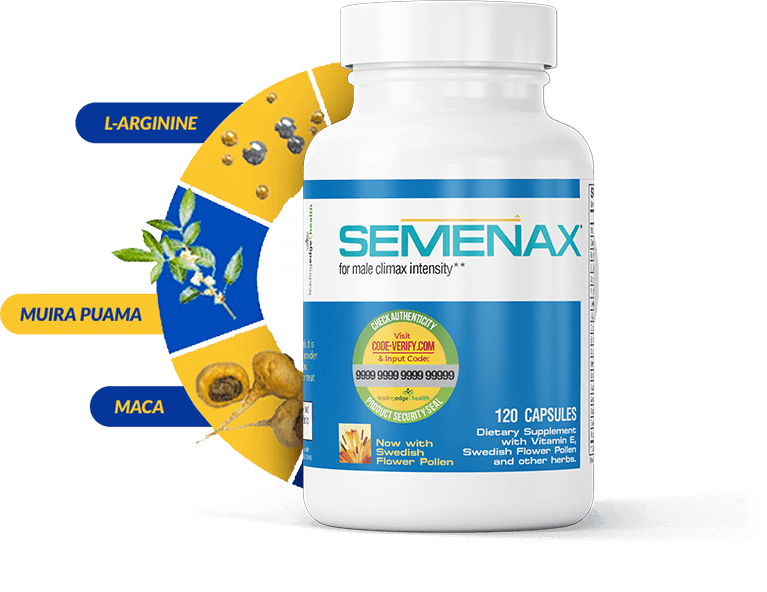
Semenax™ Volume & Vitality Formula
- Designed to work seamlessly with male physiology to provide specialized nutritional support
- Encourages consistent performance, physical endurance, and natural bodily balance
- Manufactured in a cGMP-compliant, FDA-registered facility without synthetic interventions
Why Cell Membrane Fluidity Matters
Cell membranes act as the gatekeepers for every substance that enters or exits your biological units. The specific geometry of omega 3 chains allows these membranes to remain flexible. Rigid membranes can struggle to receive signals from hormones or nutrients.
The Connection to Heart Health
Research from the American Heart Association highlights the role of seafood fats in supporting blood vessel health. Regular consumption assists in maintaining healthy blood pressure ranges already within normal limits. These compounds help the cardiovascular system operate with less internal resistance.
The Sustainability of Forage Fish
Sustainability acts as the foundation of modern dietary choices. Herring belong to the forage fish category which means they feed on plankton. This positioning minimizes their accumulation of heavy metals compared to top tier predators like shark or swordfish.
Marine ecosystems depend on these schooling fish for energy transfer. Harvesting them at regulated levels preserves the food supply for whales and seabirds. Most commercial operations now use purse seine nets that target specific schools without disturbing the seafloor.
| Fish Variety | Fat Content per 3oz | Sustainability Rating |
| Atlantic Herring | 1.8 grams | Best Choice |
| Pacific Herring | 1.5 grams | Good Alternative |
| Standard Salmon | 1.2 grams | Varies by Source |
Calculating Your Daily Nutrient Needs
Numbers guide our choices when we attempt to balance a healthy plate. A simple calculation helps determine how often you should include marine protein in your routine.
If your goal involves reaching a target of 10 grams of omega 3 lipids per week, you can divide that by the content found in a single fillet. One average herring portion provides roughly 1.5 grams of the target fats. You would need approximately seven portions spread across your week to meet this specific target.
Biological Mechanisms of Nutrient Absorption
Fatty acids rely on digestion to enter your bloodstream. The presence of bile salts helps emulsify these fats in the small intestine. Once absorbed they package into structures that travel through your lymphatic system.
The Role of Enzymes
Lipase enzymes break down the bonds that hold fatty acids together in the food source. This breakdown allows the molecules to pass through the intestinal lining. Efficient digestion depends on the presence of fat soluble vitamins alongside your protein choice.
Storage and Utilization
Once your body accesses these nutrients it distributes them to vital organs like the brain and the eyes. Excess amounts store in adipose tissue for future use. The body prioritizes the use of these lipids for ongoing cellular repairs throughout the day.
Contrasting Small Fish with Large Predatory Species
Large fish often live for many years which allows for the buildup of environmental contaminants. Small species like the ones discussed here live for much shorter timeframes. This biological reality keeps the contamination profile low.
- Mercury Accumulation: Smaller fish have limited time to consume prey that contains high levels of heavy metals.
- Population Growth: Species like these recover from fishing pressure in two or three years.
- Cost Efficiency: Local grocery stores often price these items lower than premium steaks or luxury fish varieties.
Culinary Preparation for Maximum Preservation
Heat affects the structural stability of delicate fats. High temperature frying can damage the molecular bonds of your meal. You should choose methods that preserve the integrity of the oil.
Gentle Poaching Techniques
Poaching involves cooking the fish in a small amount of liquid at a low simmer. This method avoids the scorching effect of high direct heat. It keeps the flesh moist and preserves the delicate lipids within the fish.
Cold Smoked Preparations
Cold smoking treats the fish with low temperatures and wood smoke. This maintains the raw nutritional profile of the fats while adding flavor. It serves as a popular way to consume these nutrients in many northern cultures.
The Nutritional Profile of Marine Proteins
Protein quality ranks alongside fat content when we evaluate a food source. These small fish provide a complete amino acid profile for your muscles. They also contribute significant amounts of Vitamin D and selenium.
Selenium and Your Immune System
Selenium acts as a partner to your immune system by supporting antioxidant processes. One fillet often provides a large percentage of your daily requirement. This mineral helps keep your internal defenses sharp during seasonal changes.
Vitamin D Sources
Very few natural food sources provide enough Vitamin D to satisfy human requirements. Fatty fish remain one of the most reliable options. Exposure to sunlight provides some, but dietary intake ensures a stable supply throughout the winter.
Frequently Asked Questions
Can I eat this fish every single day?
Daily consumption is safe for most adults because these fish fall into the lowest tier for heavy metal concentration. You gain consistent access to vital fats and protein without the risks associated with larger species.
Variety in your overall diet remains important for different micronutrients. Mixing your intake with other sources of proteins and fats creates a well rounded nutrition strategy.
Is the canning process damaging to the nutritional value?
Canning represents a reliable way to keep these nutrients shelf stable. The high pressure and heat used in the canning process do not remove the omega 3 fats from the fish tissue.
Most canned versions store the fish in its own oils or water. This ensures you retain the full nutrient density when you open the container for a quick meal.
Do these fish contain high levels of salt?
Fresh or frozen versions contain very little natural sodium. However, canned or pickled varieties often include added salt for preservation and flavor.
You should check the label for sodium content if you monitor your mineral intake. Choosing versions packed in water instead of brine keeps your total salt intake within a manageable range.
Are there any issues with the bones in this fish?
The bones in these small fish are usually thin and soft enough to consume safely after cooking. They provide a source of calcium that complements the fatty acid content.
If you prefer not to eat them, you can easily remove the spine before serving. The soft texture of the bones typically goes unnoticed in canned products.
How does the taste compare to common white fish?
The flavor is more intense than white fish due to the higher oil content. It possesses a savory or umami quality that many people enjoy in salads or on toast.
If the taste feels too strong, try pairing the fish with acidic ingredients like lemon or pickled onions. These additions balance the richness of the fats and create a lighter overall experience.
The Bottom Line
Choosing herring for omega 3 fatty acids provides a reliable way to support your daily health needs through sustainable food sources. These small fish offer a dense package of fats and minerals while remaining environmentally friendly. By incorporating these items into your regular rotation you provide your body with the nutrients it requires for long term success.
Individuals with allergies to fish or those managing specific kidney conditions should avoid large intake of protein sources. Consult a licensed healthcare provider before starting any new wellness routine.
Get Your FREE Natural Health Guide!
Subscribe now and receive our exclusive ebook packed with natural health tips, practical wellness advice, and easy lifestyle changes, delivered straight to your inbox.