
Nutritional Strategies For Naturally Boosting Skinʼs Internal Resistance To UV Damage
I feel the familiar warmth of the afternoon sun against my cheeks during my daily walk. While I reach for my hat and protective layers, I also think about the internal chemistry that helps me manage exposure.
Modern research suggests that what we consume creates a secondary layer of defense. This approach works alongside topical products to provide a more comprehensive level of resilience against the sun.
Naturally boosting skinʼs internal resistance to UV damage involves consuming specific plant pigments and antioxidants that neutralize free radicals caused by light exposure. These compounds accumulate in the dermal layers to mitigate cellular stress from the inside out.
Key Takeaways
- Clinical studies indicate that consuming 16 milligrams of lycopene daily for 10 weeks can reduce skin redness following exposure by up to 40 percent.
- The ingestion of polyphenol rich beverages has been shown to decrease markers of cellular damage in the skin by roughly 25 percent after acute UV exposure.
- Systemic carotenoid levels correlate with a measurable increase in the minimal erythema dose, which signifies the amount of light energy required to cause visible reddening.
Bioavailable Pigments And Cellular Shielding
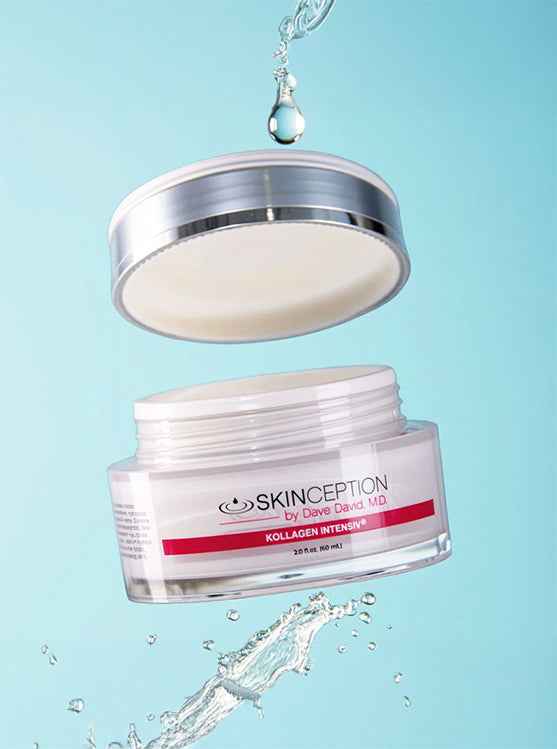
Kollagen Intensiv™ Anti-Aging Peptide Cream
- Targeted peptide formula designed to provide deep structural support beyond surface moisture
- Works with your skin's natural processes to encourage firmness and a vibrant complexion
- Formulated for smooth daily application without harsh cosmetic peels
Plants produce pigments like carotenoids to protect themselves from solar radiation. When individuals eat these foods, those same compounds deposit into human tissues.
Beta carotene remains one of the most studied nutrients for this purpose. It acts as a light absorber within the skin to help dampen the intensity of radiation impacts.
Research from the National Institutes of Health identifies these compounds as essential for long term dermal health. You can find these pigments in vibrant orange and red produce.
Structured Dietary Incorporation For Skin Resilience
To support your skin, you should aim for a consistent intake of nutrient dense produce throughout the week. Consistency helps maintain stable levels of these compounds in the fatty layers of the skin.
- Orange Produce: Sweet potatoes and carrots provide high levels of beta carotene.
- Red Vegetables: Tomatoes, when cooked in oil, offer high bioavailability for lycopene.
- Leafy Greens: Spinach and kale contribute lutein, which supports overall dermal density.
| Nutrient Source | Primary Compound | Primary Function |
|---|---|---|
| Cooked Tomatoes | Lycopene | Neutralizes free radicals |
| Sweet Potatoes | Beta Carotene | Absorbs solar energy |
| Dark Chocolate | Flavanols | Improves micro circulation |
Quantifying Your Intake For Dermal Support
Consider the math behind dietary protection to understand how much produce is required. Most studies focus on a 10 to 12 week period to reach meaningful saturation levels.
If you consume two tablespoons of tomato paste mixed with a teaspoon of olive oil, you likely ingest roughly 16 milligrams of lycopene. This specific quantity matches the intake levels used in many successful trials.
Data published by the National Library of Medicine supports the efficacy of this precise dietary habit. Consistency is the primary factor for meaningful results.
The Role Of Polyphenols And Green Tea
Green tea contains compounds called catechins that provide systemic support. These molecules travel through the bloodstream and settle in the outer layers of the body.
They help keep the skin calm after potential stressors. Drinking two to three cups daily contributes to a consistent baseline of these protective agents.
Evidence within the National Center for Biotechnology Information highlights the benefits of these beverages. Always choose plain varieties to avoid added sugars.
Barrier Function And Healthy Fat Consumption
Nutrients that protect the skin are often fat soluble. You must consume them with a healthy source of fat to ensure the body absorbs them.
Pairing your colorful vegetables with avocado or olive oil makes a difference. This ensures the compounds reach the skin tissues rather than passing through the system unused.
Focusing on whole foods provides additional cofactors that help these processes work. Variety in your diet allows for a broader spectrum of protective compounds.
Managing Expectations Regarding Internal Defense
Dietary habits represent only one part of a sound wellness plan. They do not replace the necessity of shade, protective clothing, or other standard measures.
Think of nutrition as a foundational layer of support. It provides an extra buffer that helps the body cope with environmental realities.
Prioritize balance in all areas of your lifestyle. Wellness remains a cumulative process built over time.
Frequently Asked Questions
Can specific supplements replace the need for dietary sources?
Supplements may help reach specific concentrations, but they often lack the complex matrix of nutrients found in whole foods. Whole plants provide a range of cofactors that work in harmony to support skin health.
Relying solely on pills ignores the synergistic nature of nutrition. I suggest centering your routine around colorful produce for the best long term results.
How long does it take for these nutrients to affect the skin?
Most research on skin pigment saturation points to a period of 8 to 12 weeks of daily consumption. The body needs time to transport these nutrients to the dermis and epidermis.
Patience is essential when making dietary changes. You should maintain a steady intake to keep these levels consistent throughout the changing seasons.
Are there foods that potentially decrease skin resilience?
Diets high in processed sugars and refined carbohydrates may lead to increased inflammation throughout the body. This systemic stress can make the skin more vulnerable to external factors.
Focusing on whole, unprocessed foods helps mitigate this risk. Minimizing high glycemic impact choices supports your overall wellness goals.
Does the color of the vegetable indicate its protective potential?
Color often acts as a visual guide to the types of pigments present in the plant. Deep reds, oranges, and dark greens usually signal higher concentrations of beneficial antioxidants.
Including a diverse range of colors ensures a wide variety of protective molecules. A plate that looks like a rainbow is generally a good sign of nutritional density.
Is it possible to consume too many of these pigments?
Consuming high amounts of beta carotene may cause a temporary orange tint to the skin, a condition known as carotenemia. This is generally considered harmless and reversible by adjusting intake.
Stick to dietary portions rather than mega doses to avoid this outcome. Moderation remains the safest and most effective approach to any nutritional plan.
The Bottom Line
Eat Your SPF: Naturally Boosting Skin’s Internal Resistance involves fueling your body with antioxidant rich produce to build a systemic defense. While this strategy offers valuable support, it should always supplement, not replace, physical protection methods.
Select whole foods rich in carotenoids and polyphenols to build your internal shield. Never stop or change any medication without consulting the provider who recommended it. Consult a licensed healthcare provider before starting any new wellness routine.
Get Your FREE Natural Health Guide!
Subscribe now and receive our exclusive ebook packed with natural health tips, practical wellness advice, and easy lifestyle changes, delivered straight to your inbox.