Understanding Why Your Anti Inflammatory Diet Isn’t Reaching Deep Tissue
I wake up every morning feeling the familiar tightness in my joints that signals a need for better internal balance. Many of us adopt colorful plates and nutrient dense plants hoping for relief from persistent bodily discomfort. Sometimes these efforts seem to fall short of expectations despite our best intentions.
We choose vibrant berries and fatty fish while avoiding processed items to support overall longevity. We track our macros and read every label with the care of a seasoned analyst. Yet the physical sensations of stiffness or fatigue remain present in our daily lives.
The reason why your anti inflammatory diet isn’t reaching deep tissue often involves poor absorption of fat soluble nutrients and inadequate hydration levels. Inflammation requires specific biological cofactors for resolution rather than just the removal of harmful trigger foods. Consistent dietary success depends on how well these nutrients travel from the digestive tract to the localized areas needing repair.
Key Takeaways
- Chronic inflammation markers often remain elevated when cellular omega 3 status stays below 8 percent.
- Hydration levels must stay within 30 to 35 milliliters of water per kilogram of body weight to support nutrient transport.
- Absorption of fat soluble vitamins relies on the presence of dietary lipids in at least two meals per day.
Biological Barriers To Nutrient Delivery
The gut barrier plays a central role in whether your cells receive the building blocks for repair. Leaky gut concerns can prevent essential micronutrients from entering the bloodstream in high enough concentrations. Proper digestive function determines the success of your intake.
Your body prioritizes vital organs over peripheral tissues during periods of high stress. If you stay in a constant state of fight or flight, blood flow diverts away from the joints and muscles. Calmness during meal times improves the delivery of these healing elements.
Research from the National Institutes of Health shows that metabolic pathways for inflammation resolution are highly sensitive to systemic cortisol levels. You cannot nourish deep tissue if your biology perceives a constant state of emergency. Focus on nervous system regulation to open the channels of distribution.
The Mathematical Reality Of Nutrient Saturation
Nutrients do not reach target areas by magic but by concentration gradients within your blood. You must calculate your specific intake to ensure saturation reaches the furthest cells in your limbs. Think of this as a supply chain management problem for your biology.
Consider this formula for your daily omega 3 intake: Take your total body weight in pounds and multiply it by 0.015. This provides the minimum grams of combined EPA and DHA required for basic cellular maintenance. If you weigh 150 pounds, you need roughly 2.25 grams of these fatty acids daily.
Most people fall short of this simple target because they rely on infrequent servings of wild salmon. Consistent intake of these lipids prevents deficiency that stops deep tissue recovery. Use the following table to track your potential intake gaps.
| Nutrient Category | Primary Source | Absorption Requirement |
|---|---|---|
| Omega Three | Mackerel | Dietary Fat |
| Vitamin D | Egg Yolks | Magnesium Presence |
| Polyphenols | Blueberries | Adequate Fiber |
Cofactor Interactions And Tissue Penetration
Nutrients rarely work alone in the human body. They depend on specific partners to unlock their full potential at the cellular level. Vitamin D requires adequate magnesium levels to convert into its active form for immune support.
If you consume ample calcium but lack magnesium, your body may deposit minerals in soft tissues rather than utilizing them for structural integrity. This leads to the very stiffness you hope to resolve. Check your intake of leafy greens to balance this critical ratio.
Data from the Office of Dietary Supplements explains that magnesium plays a role in hundreds of biological reactions involving muscle function. Balancing your minerals prevents the stagnation of nutrients that leads to deep tissue discomfort. Small adjustments in your mineral intake yield significant changes in physical sensation.
Strategies For Better Nutrient Utilization
Change how you prepare your meals to support better digestion and assimilation. Cooking vegetables lightly can soften fibers while keeping the internal structures intact. This assists your body in accessing minerals that remain trapped in raw state produce.
Spicing your food acts as a bridge for nutrient entry into the blood. Add turmeric with black pepper to improve the availability of active compounds for systemic circulation. This simple pairing makes a difference in how well your tissues respond to your diet.
Stay mindful of the time between meals to allow your digestive tract to reset. Constant snacking keeps your system in a state of active breakdown and prevents the necessary cleanup processes. Give your cells space to perform repairs between your main feeding windows.
Common Pitfalls In Dietary Planning
Many individuals underestimate the impact of hidden sugar in their daily routine. Sugar triggers systemic responses that counteract the benefits of your healthy fats. Eliminating refined sweeteners acts as a foundation for better nutrient utilization.
Another frequent issue involves the overuse of highly refined seed oils. These oils interfere with the delicate balance of fatty acids in your cell membranes. Swap these for stable fats like olive oil or avocado oil to protect your tissue integrity.
Scientific evidence from the Centers for Disease Control highlights the role of balanced eating patterns in maintaining physical health. Focus on single ingredient foods to reduce the load on your liver and kidneys. Your organs work efficiently when you remove the burden of additives.
Frequently Asked Questions
How does sleep impact nutrient absorption in the body?
Sleep serves as the period when your body clears metabolic waste and repairs cellular damage. Without sufficient rest, the delivery of nutrients to deep tissue stays hampered by increased systemic stress hormones. Quality sleep cycles ensure that your digestion functions at peak capacity when you wake to consume your next meal.
Prioritize consistent bedtime routines to support your internal rhythm. When your circadian biology aligns with your eating schedule, your gut microbiome thrives and assists in breaking down complex plant compounds. This results in more efficient transport of vital elements to the parts of your body that need them most.
Why does hydration matter for joint health?
Water acts as the medium for all nutrient transport within your cardiovascular system. Without enough fluids, your blood becomes more viscous and struggles to deliver nutrients into narrow capillary beds surrounding your joints. Proper hydration maintains the volume needed for efficient circulation.
Aim for consistent water intake throughout the day rather than drinking large amounts at once. Adding a pinch of sea salt provides the electrolytes necessary to pull water into the cells. This practice supports the lubrication of tissues and helps move beneficial compounds into deep layers.
Are supplements necessary for tissue repair?
Supplements serve as a bridge when your dietary intake cannot meet the demands of your current physical state. If you struggle to digest enough high quality fats or proteins, specific concentrated nutrients help close the gap. They should never replace a diet filled with whole foods.
Focus on foundational nutrition first by choosing dense food sources. Once you optimize your meals, use targeted support only if lab results or physical symptoms persist. Always monitor how your body responds to additions before making them a permanent part of your daily routine.
How can stress levels prevent dietary success?
Stress causes the body to shift resources away from long term repair and toward immediate survival. Your digestion slows down significantly when your nervous system detects a threat, whether that threat is real or imagined. This stops the process of breaking down nutrients before they even leave your stomach.
Find ways to calm your nervous system before you sit down to eat. Simple breathing exercises or a few minutes of quiet time signal to your body that it is safe to nourish itself. This shift in state helps move food from a burden into a source of real energy.
What is the role of fiber in deep tissue health?
Fiber acts as the fuel for your gut microbiome, which produces essential short chain fatty acids. These compounds signal the rest of your body to lower systemic markers of concern. Healthy gut flora directly influences the environment of your peripheral tissues.
Include a variety of plant based fibers to keep your internal ecosystem balanced. A diverse array of colors on your plate promotes the growth of different beneficial bacteria. This diversity protects your deep tissue by regulating the overall inflammatory response of the body.
The Bottom Line
Fixing why your anti inflammatory diet isn’t reaching deep tissue requires a shift in how you process your meals. Focus on fat intake and nervous system regulation to ensure nutrients actually arrive at their intended destination. Biology responds best when you provide the right environment for absorption.
Start by auditing your daily intake of high quality fats and your stress levels during meal times. Small changes in your routine lead to better outcomes for your long term comfort. Consult a licensed healthcare provider before starting any new wellness routine.
Disclaimer: This content is for educational purposes only and does not constitute medical advice. Never stop or change any medication without consulting the provider who recommended it. This information is not intended to replace professional guidance, diagnosis, or health assessments. Consult a licensed healthcare provider before starting any new wellness routine.
Get Your FREE Natural Health Guide!
Subscribe now and receive our exclusive ebook packed with natural health tips, practical wellness advice, and easy lifestyle changes, delivered straight to your inbox.
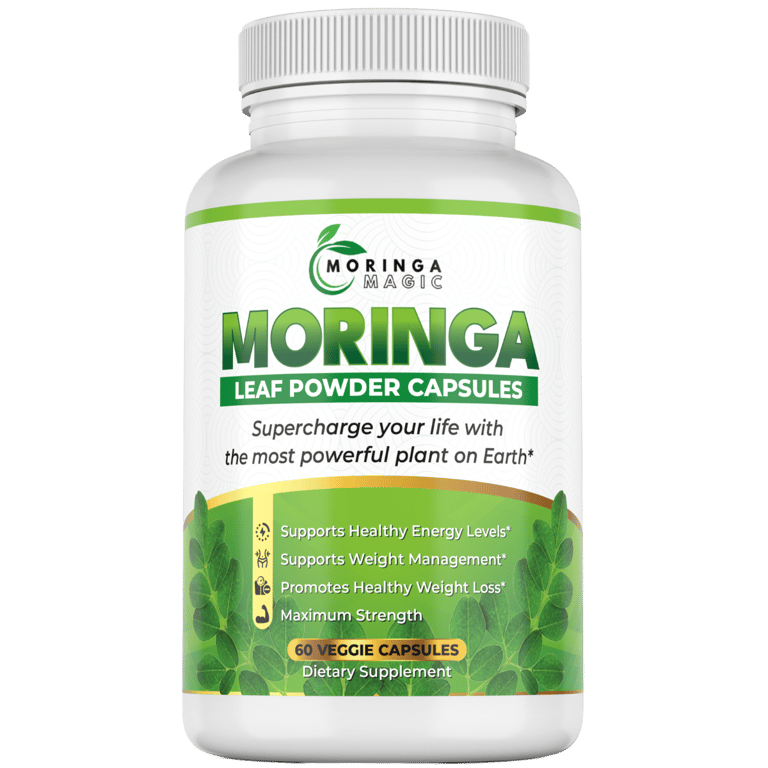
Moringa Magic™ Plant-Based Routine
- Highly bioavailable, plant-based routine designed to provide foundational nutritional support
- Helps your body optimize daily nutrient absorption and address hidden nutrient gaps
- Manufactured in a cGMP-compliant, FDA-registered facility without heavy stimulants