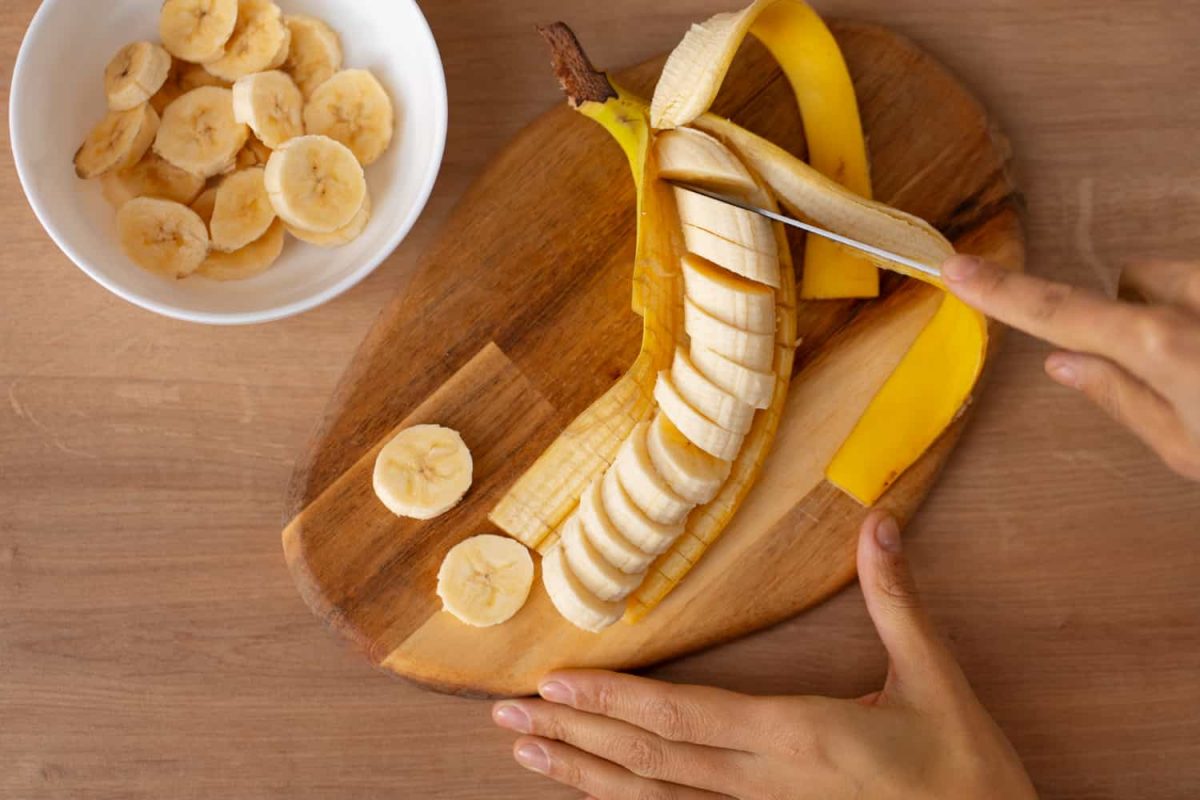

A Smart Strategy: Why Consider a Banana After Lunch
Incorporating specific whole foods into your daily routine can offer distinct advantages. One such consideration is the timing of your fruit intake.
Eating a banana after lunch isn’t just about adding a sweet note to your meal. It’s about leveraging its unique nutritional profile to support various bodily functions throughout the afternoon.
This simple habit can contribute to a more balanced feeling, helping you navigate the hours until your next meal with greater ease and focus. People with underlying conditions often work with a qualified healthcare professional for personalized guidance. This information is educational and not a substitute for medical advice.
The Seven Core Benefits of a Post-Lunch Banana
1. Sustaining Blood Sugar Balance
After a meal, especially one rich in carbohydrates, the body processes glucose. Integrating a banana at this juncture can contribute to a smoother transition in blood sugar levels.
Bananas contain both simple and complex carbohydrates. The simple sugars offer a quick energy source, while their fiber content helps moderate the absorption rate of glucose into the bloodstream.
This moderated absorption is often discussed as a way to avoid rapid spikes and subsequent crashes that can sometimes follow a significant meal. It helps foster a more even energy release.
The fruit’s natural sugars, primarily fructose, glucose, and sucrose, are delivered alongside dietary fiber. This combination allows for a sustained energy supply rather than a fleeting rush.
- Key Components: Dietary Fiber, Natural Sugars (Fructose, Glucose, Sucrose)
- Supportive Role: Helps maintain balanced energy levels, aids steady glucose release
- Action Principle: Fiber moderates sugar absorption, providing gradual energy
Considering Intake Methods
Enjoy a whole banana as a standalone item immediately after your midday meal. This provides its full spectrum of compounds directly.
2. Promoting Digestive Regularity
The digestive system benefits significantly from consistent fiber intake. A banana after lunch can be a straightforward way to increase this essential nutrient.
Bananas are a good source of both soluble and insoluble fibers. Soluble fiber creates a gel-like substance in the gut, which can assist in softening waste material and making its passage easier.
Insoluble fiber, conversely, adds bulk to the material moving through the digestive tract. This bulk encourages regular bowel movements, which is a key aspect of maintaining gut comfort.
This combined fiber action can help the digestive process run more efficiently throughout the afternoon and evening. It’s a simple step towards supporting overall digestive wellness.
- Key Components: Soluble Fiber, Insoluble Fiber
- Supportive Role: Aids in healthy waste elimination, helps maintain bowel consistency
- Action Principle: Fiber adds bulk and softens waste for smoother passage
Optimal Consumption Approach
Eat a ripe banana shortly after eating your lunch to allow its fiber to integrate with other food particles.
3. Supporting Electrolyte Harmony
Electrolytes play a critical role in numerous bodily functions, including nerve signaling and muscle action. Potassium, a prominent electrolyte, is abundant in bananas.
Maintaining balanced electrolyte levels is important for proper cellular communication. Potassium works with other electrolytes to support these fundamental processes.
After a meal, especially if you’re active, replenishing electrolytes can be a general wellness consideration. Bananas offer a natural source to contribute to this balance.
This fruit can be a simple way to contribute to daily potassium needs, which are essential for supporting fluid balance within cells and throughout the body. Many people find this contributes to a sense of vitality.
- Key Components: Potassium, Trace Electrolytes
- Supportive Role: Contributes to fluid balance, aids nerve and muscle function
- Action Principle: Provides essential minerals for cellular processes
Incorporation Guidance
Include a medium-sized banana as part of your post-lunch routine to add this important mineral to your intake.
4. Encouraging Satiety and Fullness
Feeling satisfied after a meal is crucial for avoiding unnecessary snacking later. Bananas can play a role in fostering this sense of fullness.
The combination of fiber and natural sugars in bananas contributes to satiety. Fiber, in particular, helps to slow down digestion, prolonging the feeling of fullness.
When digestion proceeds at a more measured pace, the body receives sustained signals of satisfaction. This can prevent the rapid onset of hunger that sometimes occurs after meals lacking in fiber.
This effect is often discussed as a strategy for managing appetite between meals. It’s a simple, whole-food option to support your feeling of being comfortably full.
- Key Components: Dietary Fiber, Water Content, Natural Sugars
- Supportive Role: Helps extend feelings of fullness, assists in appetite management
- Action Principle: Fiber and volume contribute to sustained satiety signals
Method of Enjoyment
Consume a banana as a dessert or final item after your main lunch dish to feel more completely satisfied.
5. Contributing to Nutrient Intake
Beyond potassium and fiber, bananas provide an array of other valuable nutrients, making them a wise addition to any meal. This contributes to overall nutritional completeness.
They contain vitamin C, which is widely recognized for its general role in wellness. Bananas also offer various B vitamins, including vitamin B6, which supports metabolic processes.
The fruit’s nutrient profile extends to certain minerals like magnesium and manganese. These micronutrients are part of many general bodily functions and are necessary for supporting diverse systems.
For more detailed information on the specific nutritional contributions of fruits like bananas, resources such as the USDA’s FoodData Central offer comprehensive data. Incorporating bananas can be a simple step towards a richer diet.
- Key Components: Vitamin B6, Vitamin C, Magnesium, Manganese
- Supportive Role: Provides essential vitamins and minerals, supports metabolic health
- Action Principle: Broad spectrum of nutrients contributes to daily requirements
Dietary Integration Advice
Add a banana to your post-lunch routine to naturally increase your daily intake of several key vitamins and minerals.
6. Aiding Energy Metabolism
Energy is required for all bodily functions, and the process of converting food into usable energy is continuous. Bananas offer compounds that support this metabolic journey.
The natural sugars in bananas, combined with their B vitamin content, particularly vitamin B6, play a part in the energy release mechanisms. Vitamin B6 is often discussed in relation to carbohydrate metabolism.
After lunch, as your body digests and processes nutrients, a banana can provide readily available fuel. This helps sustain your energy levels without relying on stimulants.
This fruit can therefore support a steady, natural source of energy for the remainder of your afternoon activities. It’s a way to feel refreshed and ready for what comes next.
- Key Components: Natural Sugars, Vitamin B6
- Supportive Role: Contributes to metabolic efficiency, supports consistent energy production
- Action Principle: Provides readily available fuel and B vitamins for energy pathways
Fueling Strategy
Consider a banana after lunch to provide your body with sustained energy for the transition into the afternoon.
7. Fostering a Calm Demeanor
Food choices can sometimes influence a person’s general sense of well-being. Bananas contain compounds that are often discussed in this context.
The presence of tryptophan, an amino acid, is notable in bananas. Tryptophan is a precursor to serotonin, a neurotransmitter associated with feelings of comfort and relaxation.
While food sources contribute small amounts, including tryptophan-rich foods like bananas can be part of an overall approach to supporting a sense of calm. It’s one piece of a larger wellness picture.
Many people find that feeling nourished and sustained after a meal also contributes to a more settled state of mind. Bananas offer this nourishment alongside their unique compounds.
- Key Components: Tryptophan, Magnesium, B vitamins
- Supportive Role: May support a sense of well-being, contributes to general comfort
- Action Principle: Provides amino acids and minerals discussed in relation to mood pathways
Mindful Eating Protocol
Enjoy a banana as a gentle finish to your lunch, allowing its compounds to contribute to your overall sense of calm.
Understanding Banana Varieties and Their Nuances
Not all bananas are created equal, particularly when considering their ripeness and how they affect the body. Different stages of maturity present distinct nutritional profiles.
Green bananas, for instance, are higher in resistant starch. This type of starch resists digestion in the small intestine and instead ferments in the large intestine. This can offer unique digestive benefits.
As a banana ripens, its resistant starch converts into simple sugars. This makes ripe, yellow bananas sweeter and easier to digest for many individuals. Their texture also becomes softer.
For those interested in the potential effects of resistant starch on digestive flora, green bananas might be a consideration. However, riper bananas are generally chosen for their sweetness and immediate energy.
Consider the table below for a quick comparison of nutritional aspects across ripeness stages.
| Attribute | Green Banana | Ripe Yellow Banana |
|---|---|---|
| Sugar Content | Lower | Higher |
| Resistant Starch | Higher | Lower |
| Fiber Type Focus | More resistant starch | More soluble and insoluble fiber |
| Texture | Firmer, less sweet | Softer, sweeter |
| Digestibility | Can be harder for some to digest | Generally easier for most |
When selecting a banana for post-lunch consumption, personal preference for sweetness and texture often guides the choice. Both stages offer valuable contributions.
Some people find that very ripe bananas, with their higher sugar content, provide a quicker energy lift. Others may prefer the firmer texture and distinct qualities of less ripe options.
Common Misconceptions About Post-Meal Fruit
There are many ideas circulating about the optimal timing for fruit consumption. Some suggest that eating fruit after a meal can hinder digestion or lead to discomfort.
The human digestive system is remarkably robust and designed to process a variety of foods simultaneously. Fruits, including bananas, are generally digested efficiently alongside other meal components.
The concept that fruit ferments or spoils other food when eaten together is largely unfounded in typical digestive processes. The stomach’s strong acids are adept at breaking down food mixtures.
For most individuals without specific digestive sensitivities, consuming a banana after lunch presents no inherent digestive disadvantage. Its fiber content, in fact, can be quite beneficial.
Any discomfort experienced is more likely due to overall meal composition or pre-existing digestive conditions rather than the simple act of eating fruit after food. People with underlying conditions often work with a qualified healthcare professional for personalized guidance.
It’s important to differentiate between general digestive function and individual sensitivities. Always listen to your body and its unique responses to different foods and combinations.
Frequently Asked Questions
Is eating a banana after lunch good for weight management?
Incorporating a banana after lunch can contribute to feelings of fullness due to its fiber content. This satiety may help some individuals manage their overall food intake by reducing the desire for additional snacks.
Can I eat a banana after a heavy lunch?
Yes, a banana can be eaten after lunch, even a substantial one. Its natural enzymes and fiber can support the digestive process. However, consider individual comfort and overall meal size when making your choices.
Are there any specific types of bananas better for post-lunch consumption?
Both green and ripe yellow bananas offer benefits. Green bananas provide more resistant starch, while ripe ones offer higher simple sugars for quick energy. The best type depends on your personal preferences and desired effects, such as sweetness or specific digestive support.
Will a banana after lunch cause blood sugar spikes?
Bananas do contain natural sugars, but their fiber content helps moderate the absorption of these sugars. For most people, consuming a whole banana as part of a balanced meal isn’t associated with problematic blood sugar spikes. However, individual responses can vary.
The Bottom Line
Choosing to eat a banana after your midday meal is a simple yet effective strategy for enhancing your daily wellness. It offers a convenient package of fiber, essential minerals, and vitamins that support digestion, sustained energy, and overall comfort.
This natural fruit can serve as a valuable complement to your lunch, helping you feel more balanced and satisfied through the afternoon. Consider adding a banana to your post-lunch routine to experience these potential benefits for yourself.
Get Your FREE Natural Health Guide!
Subscribe now and receive our exclusive ebook packed with natural health tips, practical wellness advice, and easy lifestyle changes, delivered straight to your inbox.