
When it comes to hair care, many of us are on a quest for that elusive remedy to combat thinning hair. Over the years, I’ve tried countless products, from high-end serums to DIY concoctions. However, one ingredient consistently piqued my curiosity: aloe vera. This succulent plant, often celebrated for its skin benefits, has also gained traction in the hair care realm. As I explored the potential of an aloe vera mask for thinning hair, I uncovered a treasure trove of benefits, intriguing anecdotes, and even a few caveats.
Contents
The Allure of Aloe Vera
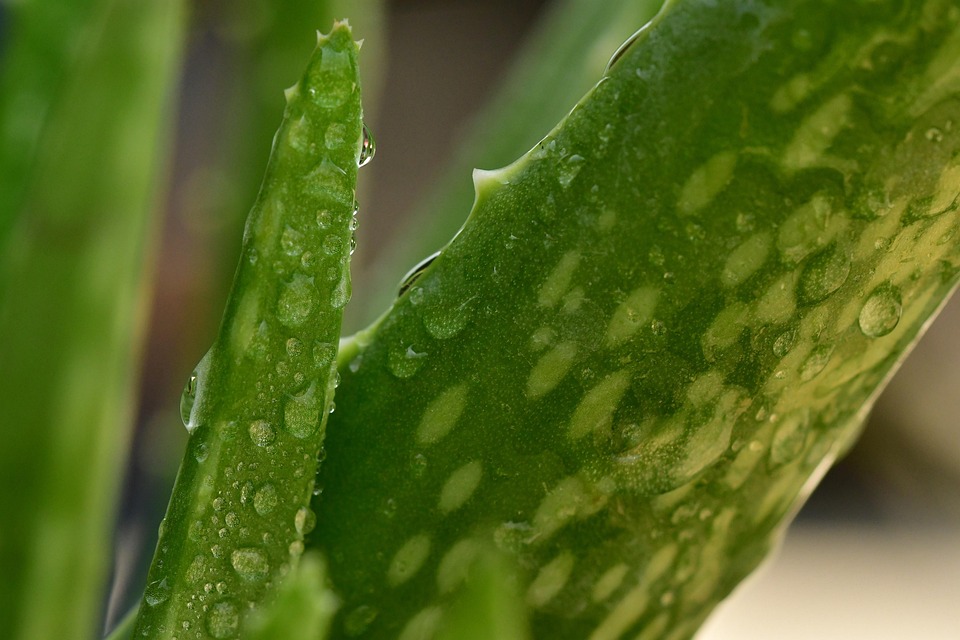
Aloe vera is not just a pretty plant; it has a rich history that dates back thousands of years. Ancient Egyptians referred to it as the “plant of immortality,” and it has been used in various cultures for its medicinal properties. Its gel-like substance is packed with vitamins, minerals, and enzymes that can nurture both skin and hair.
Nutritional Profile
Aloe vera is rich in vitamins A, C, E, and B12, alongside folic acid, choline, and other essential nutrients. These vitamins play crucial roles in maintaining healthy hair. For example, vitamin B12 is known to support hair growth, while vitamin E improves blood circulation to the scalp.
Hydration and Moisture Retention
One of the standout benefits of aloe vera is its ability to hydrate. For those of us with thinning hair, dryness can exacerbate the issue. Aloe vera gel provides moisture without weighing hair down, making it ideal for those with fine or thinning strands.
The Science Behind Aloe Vera and Hair Health
While anecdotal evidence is compelling, scientific research bolsters aloe vera’s reputation in hair care. A study published in the Journal of Ethnopharmacology highlighted aloe vera’s potential to promote hair growth and reduce hair loss. The study found that aloe vera contains enzymes that can remove dead skin cells from the scalp, promoting healthier hair follicles.
Moreover, a 2020 study in the International Journal of Trichology noted that aloe vera could reduce dandruff—an often-overlooked contributor to hair thinning. By addressing scalp health, aloe vera may indirectly support hair growth.
Crafting Your Aloe Vera Mask
Creating an aloe vera mask for thinning hair is not only simple but also allows for customization. Here’s a step-by-step guide to crafting your own:
Ingredients
-
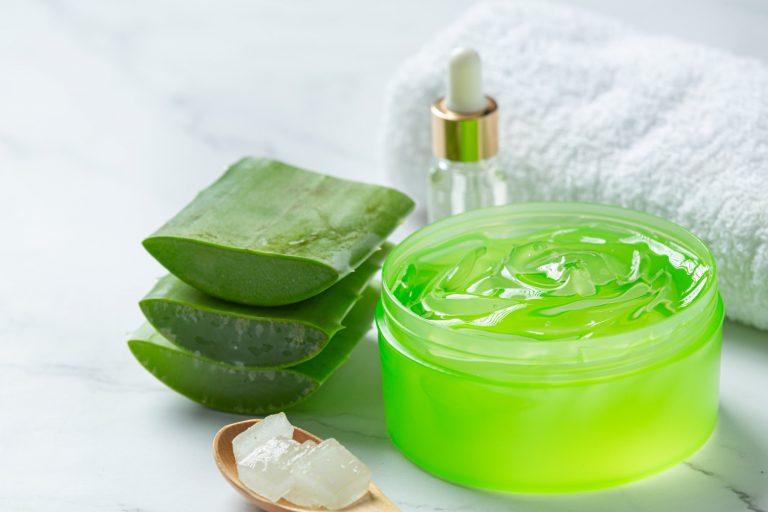
Fresh Aloe Vera Gel: If you have access to an aloe vera plant, cut a leaf and scoop out the gel. Alternatively, store-bought aloe vera gel works well—just ensure it’s pure and free from additives.
-
Carrier Oils: Consider adding a few drops of a carrier oil like coconut or jojoba oil. These oils can enhance moisture retention and provide additional nutrients.
-
Essential Oils: A few drops of essential oils like rosemary or lavender can be beneficial. Rosemary oil, in particular, is known for its potential to stimulate hair growth.
Application Steps
-
Preparation: Blend the aloe vera gel with your chosen carrier oil and essential oils until smooth. The consistency should be easy to apply but not too runny.
-
Scalp Application: Part your hair into sections and apply the mask directly to your scalp. Use your fingertips to massage it in gently. This not only helps distribute the mask but also promotes blood circulation.
-
Hair Coverage: Once your scalp is covered, apply the remaining mask to the lengths of your hair. This ensures that every strand benefits from aloe’s hydrating properties.
-
Duration: Allow the mask to sit for at least 30 minutes. For deeper penetration, consider wrapping your hair in a warm towel.
-
Rinse and Shampoo: Rinse the mask out with lukewarm water and follow up with a gentle shampoo. You might notice that your hair feels softer and more manageable immediately.
Real-Life Experiences: The Transformative Power of Aloe Vera
I spoke with a friend, Sarah, who had been struggling with thinning hair for years. After hearing about my aloe vera mask experiment, she decided to give it a shot. Within a few weeks of regular use, Sarah observed a noticeable reduction in hair fall and an overall improvement in her hair’s texture. “It felt like my hair was coming back to life,” she shared, her excitement palpable.
Another case involved a woman named Maria, who had been dealing with stress-related hair thinning. After incorporating an aloe vera mask into her routine, she experienced not only enhanced hair growth but also a soothing effect on her irritated scalp. “I loved the cooling sensation,” she remarked.
Potential Caveats
While the benefits of an aloe vera mask for thinning hair are enticing, it’s essential to approach with a balanced perspective. Some individuals may experience allergic reactions to aloe vera, so it’s wise to conduct a patch test before full application. Additionally, while aloe vera can promote scalp health, it is not a miracle cure. Factors such as genetics, nutrition, and overall health also play significant roles in hair thinning.
Additional Ingredients to Consider
If you want to elevate your aloe vera mask, consider incorporating other natural ingredients known for their hair benefits:
Coconut Oil
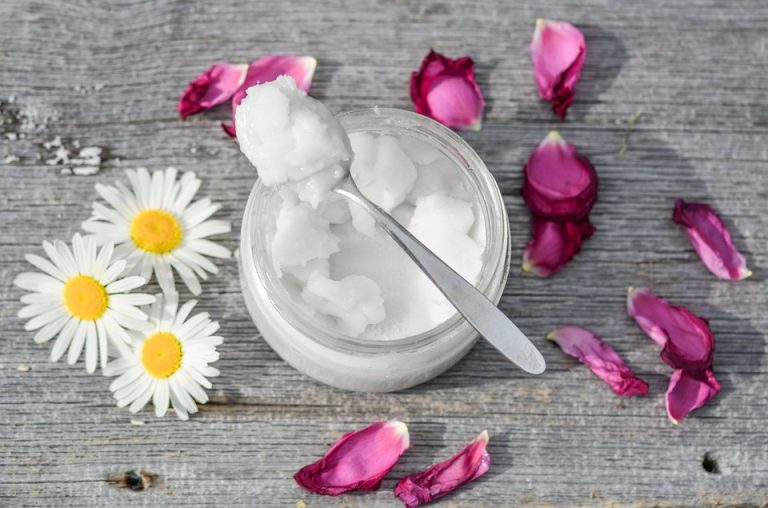
Coconut oil is renowned for its ability to penetrate the hair shaft, providing deep moisture. A combination of aloe vera and coconut oil could be particularly effective for those with dry, brittle hair.
Honey
Honey is a natural humectant, which means it draws moisture into the hair. Adding honey to your aloe vera mask can enhance hydration and add a lovely shine.
Yogurt
Rich in protein, yogurt can strengthen hair and promote growth. Mixing yogurt with aloe vera creates a nourishing mask that can help revitalize thinning hair.
Myths and Realities
When discussing aloe vera and hair growth, it’s essential to separate fact from fiction. One common myth is that aloe vera alone can completely stop hair loss. While it can certainly support scalp health and improve hair texture, it should be part of a broader hair care strategy.
Another misconception is that all aloe vera products are created equal. Many commercial aloe vera gels contain additives and preservatives that can diminish the plant’s natural benefits. Always choose pure, organic products whenever possible.
The Holistic Approach
In my journey with thinning hair, I’ve learned that it’s not just about topical treatments. A holistic approach can yield the best results. This includes maintaining a balanced diet rich in vitamins and minerals, managing stress through practices like yoga or meditation, and staying hydrated.
Nutritional Support
Foods rich in omega-3 fatty acids, such as salmon and walnuts, can promote scalp health. Additionally, leafy greens and fruits high in antioxidants can help combat oxidative stress, a contributor to hair thinning.
Stress Management
Stress is often an overlooked factor in hair health. Engaging in regular physical activity, practicing mindfulness, and ensuring adequate sleep can have profound effects on hair growth.
FAQs
1. How often should I use an aloe vera mask for thinning hair?
Using an aloe vera mask once or twice a week is generally recommended. This frequency allows for consistent nourishment without overwhelming the scalp.
2. Can I leave the aloe vera mask on overnight?
While leaving it on overnight may be tempting, it can lead to product buildup. A duration of 30 minutes to an hour is typically sufficient.
3. Is aloe vera safe for all hair types?
Yes, aloe vera is generally safe for all hair types. However, those with sensitive skin should perform a patch test first.
4. What if I don’t have fresh aloe vera?
Store-bought aloe vera gel can be a convenient alternative. Just ensure it’s pure and free from additives.
5. Are there any side effects?
While rare, some individuals may experience allergic reactions to aloe vera. It’s essential to conduct a patch test before full application.
Reflecting on the Journey
As I consider the myriad of remedies out there for thinning hair, I find solace in the simplicity of aloe vera. It’s not just a product; it’s a connection to nature, a reminder of the healing properties that lie within our environment. With each application of my aloe vera mask, I feel more empowered, not just in my hair care routine but in my understanding of holistic health.
In the end, the journey to healthier hair often requires patience and a willingness to explore various avenues. As we embrace the natural world and its offerings, we may find that the solutions we seek have been right in front of us all along.
Disclaimer: This article is for educational purposes only and does not replace professional medical guidance. Always speak with a qualified healthcare provider before making changes to your health routine.
References
-
Gupta, A., & Sinha, A. (2015). Aloe Vera: A Review of its Therapeutic Effects. Journal of Ethnopharmacology. Link
-
Shukla, I., & Gupta, A. (2020). Efficacy of Aloe Vera in the Management of Hair Loss. International Journal of Trichology. Link
-
Mayo Clinic. (2022). Hair Loss: Causes and Treatment. Link
-
Cleveland Clinic. (2023). Natural Remedies for Hair Loss. Link
Get Your FREE Natural Health Guide!
Subscribe now and receive our exclusive ebook packed with natural health tips, practical wellness advice, and easy lifestyle changes, delivered straight to your inbox.