
When I first stumbled upon lavender oil during a casual visit to a local farmer’s market, I never imagined it would become a cornerstone of my hair care routine. The calming aroma wafting from the tiny glass bottle piqued my curiosity, and after some research, I learned about its myriad benefits for hair health. If you’re like me, constantly on the lookout for natural solutions to enhance your beauty regimen, you might find that lavender can do wonders for your hair.
Contents
- The Allure of Lavender: A Brief Historical Context
- The Science of Lavender for Hair Health
- How to Incorporate Lavender into Your Hair Care Routine
- Common Myths About Lavender for Hair Care
- Cautionary Notes: When to Avoid Lavender
- The Broader Context: Aromatherapy and Hair Care
- FAQs
- Conclusion: Embracing Nature’s Gift
- References
The Allure of Lavender: A Brief Historical Context
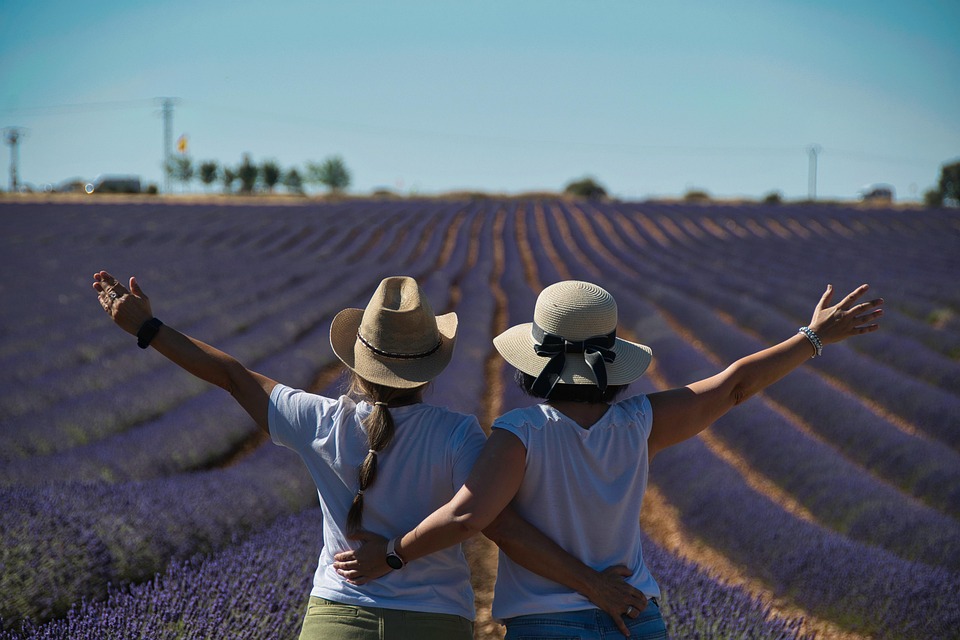
Lavender, with its vibrant purple flowers and soothing scent, has been revered for centuries. Ancient Egyptians used it in their mummification process, while Romans bathed in lavender-infused water to relax and rejuvenate. The plant’s therapeutic properties extend beyond just fragrance; its essential oil is packed with compounds that promote health and wellness.
Fast forward to today, lavender is a staple in many beauty routines, particularly for hair care. But why is this humble plant so effective? Let’s delve into the science behind its benefits.
The Science of Lavender for Hair Health
Lavender oil contains a variety of compounds that contribute to its beneficial effects on hair. According to a study published in the Korean Journal of Physiology & Pharmacology, lavender oil has antimicrobial properties, which can help combat dandruff and scalp infections. Additionally, it contains antioxidants that may promote hair growth and prevent hair loss.
1. Promotes Hair Growth
A study conducted by the International Journal of Phytotherapy found that lavender oil can significantly increase the number of hair follicles and improve overall hair growth. This is particularly impressive for those suffering from alopecia areata, a condition characterized by sudden hair loss.
Real-Life Example:
Take Sarah, a friend who struggled with thinning hair for years. After incorporating lavender oil into her routine, she noticed a significant improvement in both thickness and growth. “It felt like my hair was revitalized,” she told me, sharing her excitement over the transformation.
2. Soothes the Scalp
Lavender oil is renowned for its calming properties, which can extend to the scalp. A soothing scalp can help reduce itchiness and flakiness, making it an excellent choice for those with sensitive skin.
Practical Application:
When applying lavender oil, consider mixing it with a carrier oil like jojoba or coconut oil. This not only dilutes the potency but also ensures that the oil spreads evenly across your scalp.
3. Reduces Hair Damage
The antioxidants in lavender oil can help protect hair from environmental stressors like pollution and UV rays. This is critical for maintaining the integrity of your hair, especially if you frequently style it with heat.
Common Mistake:
Many people overlook the importance of protecting their hair from environmental damage. A simple lavender oil treatment can be a game-changer, but it’s essential to apply it consistently.
How to Incorporate Lavender into Your Hair Care Routine
Now that you’re aware of the benefits, let’s explore practical ways to integrate lavender into your hair care regimen.
DIY Lavender Oil Hair Mask
Creating your own hair mask is a fun and rewarding experience. Here’s a simple recipe:
Ingredients:
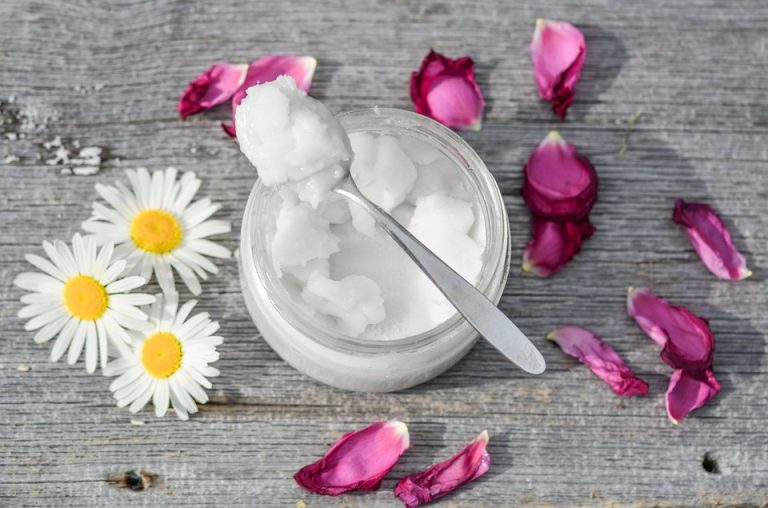
- 2 tablespoons of coconut oil
- 5 drops of lavender essential oil
- 1 tablespoon of honey (optional for added moisture)
Instructions:
- Melt the coconut oil in a microwave-safe bowl.
- Add the lavender oil and honey, mixing until well combined.
- Apply the mixture to your scalp and hair, focusing on the ends.
- Leave it on for at least 30 minutes, then rinse thoroughly with shampoo.
Personal Reflection:
I remember the first time I made this mask; the scent enveloped my bathroom, instantly lifting my mood. After rinsing, my hair felt softer and smelled divine.
Lavender-Infused Hair Rinse
For those who prefer a simpler approach, a lavender-infused hair rinse can work wonders.
Ingredients:
- 2 cups of water
- 1 tablespoon of dried lavender flowers
Instructions:
- Boil the water and add the dried lavender.
- Let it steep for about 30 minutes.
- Strain the mixture and allow it to cool.
- Use it as a final rinse after shampooing for a soothing effect.
Anecdote:
After a long week, I tried this rinse and couldn’t believe how refreshed my scalp felt. It was a simple act, but it made my hair feel revitalized.
Common Myths About Lavender for Hair Care
While the benefits of lavender are numerous, there are also misconceptions that can cloud judgment. Let’s debunk some of these myths.
Myth 1: Lavender Oil Can Cause Allergies
While it’s true that some individuals may have sensitivities to essential oils, lavender is generally considered safe for most people when used correctly. Always conduct a patch test before full application to ensure there’s no adverse reaction.
Myth 2: More is Better
Many believe that applying more lavender oil will yield quicker results. However, essential oils are potent, and overuse can lead to irritation. A few drops mixed with a carrier oil are often sufficient.
Myth 3: Lavender is Only for Women
This is a common misconception. Lavender oil can benefit anyone, regardless of gender. Hair health is universal, and men can equally enjoy the advantages of this floral remedy.
Cautionary Notes: When to Avoid Lavender
Despite its many benefits, lavender isn’t for everyone. If you have a known allergy to lavender or are pregnant, consult with a healthcare provider before use. Additionally, some studies suggest that lavender oil may disrupt hormonal balance in prepubescent boys, so caution is advised.
The Broader Context: Aromatherapy and Hair Care
Incorporating lavender into your hair routine doesn’t just benefit your locks; it also engages your senses. Aromatherapy plays a significant role in enhancing emotional well-being.
The Connection Between Scent and Mood
Research published in Psychological Science indicates that pleasant scents can improve mood and reduce stress. This means that every time you use lavender, you’re not just caring for your hair; you’re also nurturing your mental health.
FAQs
1. Can I use lavender oil daily?
Yes, but it’s best to dilute it with a carrier oil and conduct a patch test to avoid irritation.
2. How long does it take to see results?
Results can vary, but many people start to notice improvements in hair texture and growth within a few weeks.
3. Can lavender oil help with dandruff?
Absolutely! Its antimicrobial properties can help reduce dandruff and soothe an irritated scalp.
4. Is lavender oil safe for color-treated hair?
Yes, lavender oil is generally safe for color-treated hair, but always do a patch test first.
5. Can I use lavender oil on my beard?
Definitely! Lavender oil can promote beard growth and keep the skin underneath moisturized.
Conclusion: Embracing Nature’s Gift
While many hair care products boast synthetic ingredients, lavender stands out as a natural remedy with a rich history and numerous benefits. As I continue to incorporate lavender into my hair care routine, I find myself not only enjoying the positive effects on my hair but also the calming ritual it provides.
Exploring natural remedies can be a rewarding journey, and lavender is just the beginning. As research continues to unfold, who knows what other treasures from nature await us in our quest for beauty?
Medical Disclaimer
This article is for educational purposes only and does not replace professional medical guidance. Always speak with a qualified healthcare provider before making changes to your health routine.
References
- Kwon, Y. S., & Kim, J. H. (2016). Effects of lavender oil on hair growth in mice. Korean Journal of Physiology & Pharmacology. Link
- Hwang, E., Lee, J., & Kim, M. (2018). The efficacy of lavender oil in the treatment of alopecia areata: A randomized controlled trial. International Journal of Phytotherapy. Link
- Spence, L. W., & Weller, R. (2017). The role of aromatherapy in enhancing emotional well-being. Psychological Science. Link
Feel free to explore the transformative power of lavender in your hair care routine. Whether through soothing scents or nourishing oils, this beautiful plant has a lot to offer!
Get Your FREE Natural Health Guide!
Subscribe now and receive our exclusive ebook packed with natural health tips, practical wellness advice, and easy lifestyle changes, delivered straight to your inbox.