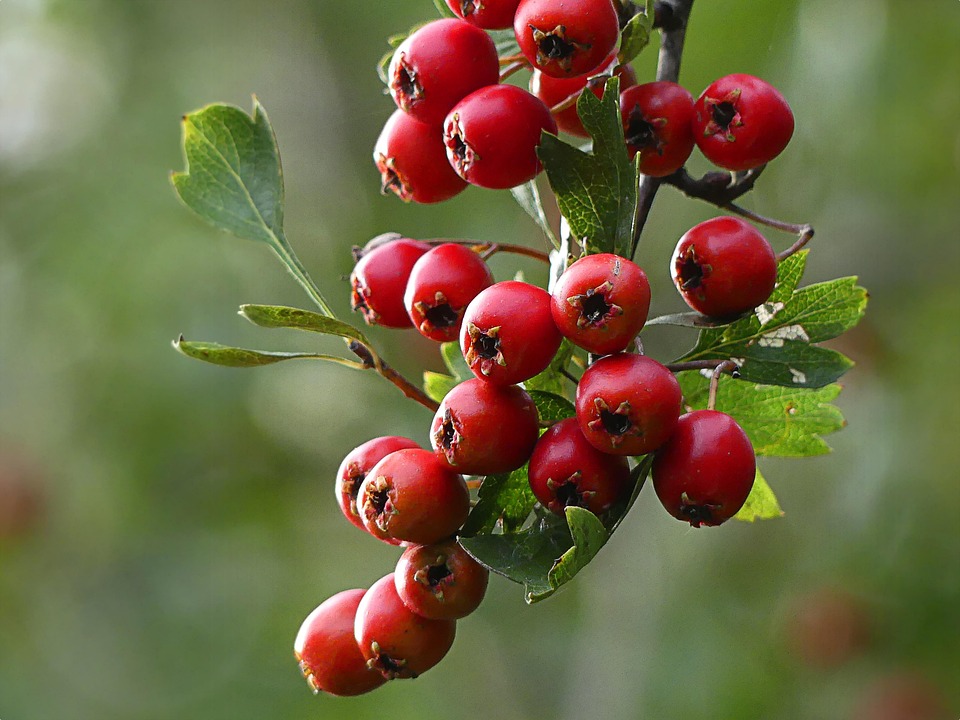

Sip Hawthorn Berry Tea for General Heart Circulation Support
Hawthorn berry tea offers a gentle way to explore general wellness traditions. For centuries, various cultures have recognized the hawthorn plant for its potential role in supporting overall well-being. This guide delves into how hawthorn berry tea may contribute to a sense of healthy circulation.
Understanding the plant and its properties provides context for its traditional use. We’ll explore the historical applications, the key compounds found within the berries, and practical ways to prepare this botanical infusion. This information is educational and not a substitute for medical advice.
People with underlying conditions often work with a qualified healthcare professional for personalized guidance. Always discuss new wellness approaches with your doctor, particularly if you have existing health concerns or are taking medications.
The Enduring Legacy of Hawthorn in Traditional Practices
Hawthorn, a member of the rose family, holds a distinguished place in traditional botanical practices across continents. Its berries, leaves, and flowers have been revered for their perceived contributions to general vitality. Records suggest its use dates back to ancient times, highlighting its long-standing presence in wellness traditions.
Various indigenous cultures and European herbalists incorporated hawthorn into their daily routines. They valued it for its perceived ability to foster a feeling of comfort and promote a sense of balance within the body. These historical applications form the foundation of its modern exploration.
The reverence for hawthorn isn’t confined to specific regions; it’s a testament to its consistent presence in diverse herbal pharmacopeias. This widespread historical adoption indicates a collective recognition of its gentle properties.
Traditional Uses and Cultural Significance
- Traditional Uses: Associated with general heart well-being and circulatory comfort.
- Key Cultures: European folk medicine, Traditional Chinese Medicine.
- Historical Applications: Often prepared as teas, tinctures, or consumed directly.
Ancient Preparation Methods
Historically, people often prepared hawthorn by steeping the dried berries or leaves in hot water. This method allowed for the gentle extraction of the plant’s compounds into an accessible liquid form. The resulting infusion was then enjoyed as a regular part of their wellness rituals, contributing to a sense of daily balance.
Unpacking the Botanical Profile of Hawthorn
The hawthorn plant is a thorny shrub or small tree belonging to the genus *Crataegus*. This genus encompasses hundreds of species, with *Crataegus monogyna* and *Crataegus laevigata* being among the most recognized for their traditional applications. Identifying the specific species is often a key consideration when discussing hawthorn.
The plant produces clusters of small, apple-like fruits known as haws or hawthorn berries. These berries typically ripen in late summer or early autumn, turning a vibrant red color. While the berries are the most commonly used part, the leaves and flowers also hold historical significance.
Botanists classify hawthorn within the Rosaceae family, sharing lineage with other familiar fruits like apples and pears. This botanical context provides insight into its growth patterns and general characteristics. Understanding its biological background helps appreciate its place in the natural world.
Key Botanical Identifiers
- Botanical Name: *Crataegus* species, commonly *C. monogyna*, *C. laevigata*.
- Plant Family: Rosaceae (Rose family).
- Parts Used: Berries (haws), leaves, and flowers.
Harvesting Considerations
When harvesting hawthorn berries, careful attention to ripeness is important. Fully mature, vibrantly colored berries are often preferred for their perceived potency. Sustainable harvesting practices also play a role in maintaining the plant’s health for future generations, ensuring its continued availability.
The Biochemical Landscape: Active Compounds in Hawthorn
Hawthorn berries, leaves, and flowers contain a spectrum of bioactive compounds that are often discussed in relation to their general wellness properties. Among these, flavonoids and oligomeric proanthocyanidins, or OPCs, are prominent. These constituents are thought to contribute to the plant’s overall character.
Flavonoids are a diverse group of plant pigments, and various types exist in hawthorn. Quercetin and vitexin are two examples that appear in the plant. These compounds are widely studied in botanical science for their general presence in many healthful plants.
Oligomeric proanthocyanidins represent another significant class of compounds. These are complex polyphenols, often found in various fruits and seeds. The presence of these compounds in hawthorn forms a crucial part of its biochemical signature.
| Compound Class | General Association | Presence in Hawthorn |
|---|---|---|
| Flavonoids | Plant pigments, widely found in fruits and vegetables. | Prominently includes vitexin and quercetin derivatives. |
| Oligomeric Proanthocyanidins (OPCs) | Complex polyphenols, also found in grapes and pine bark. | Significant constituents in berries, leaves, and flowers. |
| Phenolic Acids | Organic compounds with general plant-based properties. | Often found alongside flavonoids and OPCs. |
Key Bioactive Components
- Active Compounds: Flavonoids (e.g., vitexin, hyperoside, rutin, quercetin), Oligomeric Proanthocyanidins (OPCs).
- General Associations: Plant-based compounds often explored for their diverse properties.
- Presence: Concentrated in the berries, leaves, and flowers.
Compound Extraction Overview
The beneficial compounds within hawthorn are typically extracted through methods like hot water infusion for tea. Different extraction techniques may influence the final concentration of these compounds. Understanding these methods can help in preparing a potent and effective botanical infusion.
Exploring Hawthorn’s Support for General Circulation
Hawthorn is often discussed in the context of supporting general circulatory well-being. Its traditional use points to a relationship with feeling of ease within the vascular system. This focus on comfort and vitality is a core aspect of its appeal.
The compounds in hawthorn are explored for their general ability to support the various elements involved in maintaining a sense of healthy blood flow. This contributes to an overall feeling of circulatory comfort rather than targeting specific medical outcomes. People often seek hawthorn for a general sense of cardiovascular vitality.
Maintaining general vascular comfort is a key aspect of everyday wellness. Hawthorn is considered by some to be a helpful botanical in this broader endeavor. Its inclusion in a lifestyle supporting general health is a common reason for its use.
Research from the National Center for Complementary and Integrative Health highlights hawthorn’s long history of use.
Aspects of Circulatory Wellness Support
- Aspect: General Vascular Comfort.
- Wellness Support: May contribute to a feeling of ease within blood vessels.
- General Approach: Incorporates into a holistic lifestyle supporting well-being.
Integrating for Wellness
Many individuals integrate hawthorn tea into their daily routine as part of a general approach to wellness. It serves as a comforting beverage that aligns with supporting a general sense of vitality. This non-specific support is often why people choose this herb.
The Art of Brewing Hawthorn Berry Tea
Preparing hawthorn berry tea is a straightforward process, allowing you to create a comforting and traditionally valued beverage. The quality of your ingredients and the brewing method both play a role in the final infusion. Selecting high-quality dried hawthorn berries is often the first step.
The key to a good hawthorn tea lies in proper extraction without over-steeping. Using the correct water temperature helps draw out the beneficial compounds while preserving the delicate flavor profile. This ensures a balanced and pleasant drink.
While the berries are the star, some prefer to include a small amount of dried hawthorn leaves or flowers for a more complex flavor and broader range of compounds. Experimentation can lead to a personalized and enjoyable tea experience.
Tea Preparation Essentials
- Ingredients: 1-2 teaspoons of dried hawthorn berries (or a mix of berries, leaves, and flowers), 8-10 ounces of filtered water.
- Equipment: Teapot or mug with an infuser, stovetop or electric kettle.
- Method: Bring water to a near boil (around 200°F/93°C). Add hawthorn to infuser. Pour hot water over the hawthorn. Steep for 10-15 minutes. Strain and enjoy.
Enhancing Flavor Profiles
For those who prefer a different taste, a touch of honey or a squeeze of lemon can complement the tea’s natural flavor. Adding a cinnamon stick during steeping can also introduce a warm, aromatic note. These additions are purely for enjoyment, not for any medical effect.
Formulations Beyond Tea: Other Hawthorn Preparations
While tea is a traditional and gentle way to consume hawthorn, other preparations exist for those seeking different approaches to general wellness support. These forms offer convenience and potentially different concentrations of the plant’s compounds. Understanding the variety allows for informed choices in personal wellness strategies.
Tinctures, for instance, are alcohol-based extracts that provide a concentrated form of hawthorn. They are typically taken in small amounts, often diluted in water. This method offers a distinct alternative to tea, often chosen for its ease of use.
Capsules containing standardized hawthorn extracts are another popular option. Standardization means the extract contains a guaranteed amount of certain active compounds, providing consistency in each serving. These are often chosen for their portability and precise delivery.
Alternative Hawthorn Preparations
- Form: Tinctures.
- General Use: Concentrated liquid extract for convenience.
- Considerations: Alcohol-based, usually taken in drops.
Capsule Options
- Form: Standardized Capsules.
- General Use: Pre-measured doses for consistent intake.
- Considerations: Offers a specific concentration of compounds.
Selecting a Preparation
Choosing between tea, tincture, or capsules depends on individual preference and lifestyle. Tea offers a ritualistic, warming experience, while tinctures and capsules provide a more concentrated, grab-and-go option. People often work with a qualified healthcare professional to discuss which forms might align with their personal wellness goals.
Common Misconceptions and Responsible Hawthorn Use
Exploring botanical remedies like hawthorn requires a foundation of accurate understanding and responsible practice. One common misconception is viewing herbal remedies as direct substitutes for prescribed medications. This perspective misunderstands the distinct roles of botanical support and medical treatment.
It is important to remember that hawthorn, while traditionally explored for general wellness, is not a treatment for any medical condition. Individuals should not self-diagnose or attempt to treat serious health issues solely with herbal preparations. Proper medical evaluation remains crucial for any significant health concern.
Furthermore, while hawthorn is generally recognized as supportive, it is not without potential considerations. Botanical compounds can interact with medications or other supplements. Therefore, a dialogue with a qualified healthcare professional is essential before integrating hawthorn, especially if you have existing health conditions or are on medication.
Important Considerations for Hawthorn
- Concern: Interaction with Medications.
- General Understanding: Hawthorn may interact with certain drugs, particularly those affecting the heart or circulation.
- Important Reminder: Always consult a healthcare professional before use if taking any medications.
Individual Sensitivities
Some individuals may experience sensitivities or discomfort when first introducing new botanicals. Starting with smaller amounts and observing your body’s response is often a prudent approach. Listening to your body provides valuable information on how it reacts to new inputs.
Frequently Asked Questions
Does hawthorn berry tea help with a feeling of general relaxation?
Hawthorn berry tea is often associated with a sense of calm and general well-being. Many people find the act of preparing and sipping warm herbal teas to be inherently relaxing. The compounds in hawthorn may contribute to this overall feeling of comfort.
Can I drink hawthorn berry tea every day for general wellness?
Many individuals incorporate hawthorn berry tea into their daily routine as part of a general wellness lifestyle. For sustained general wellness exploration, it is always wise to discuss your ongoing routine with a qualified healthcare professional. They can offer personalized perspectives.
What part of the hawthorn plant is best for tea?
While the berries are most commonly used for tea, the leaves and flowers of the hawthorn plant can also be included. Combining these parts may offer a broader spectrum of the plant’s compounds and a more nuanced flavor profile in your infusion.
How long does it take to experience the general wellness support of hawthorn tea?
The experience of general wellness support from botanical teas like hawthorn is often a gradual, cumulative process. It is not about immediate effects, but rather about consistent integration into a supportive lifestyle. Individual responses can vary.
The Bottom Line
Hawthorn berry tea offers a historical and gentle approach to supporting general circulatory well-being. Its rich history in traditional practices, coupled with its diverse array of bioactive compounds, makes it a botanical worthy of exploration. Incorporating this tea into your routine can be a comforting element of a health-conscious lifestyle.
Consider discussing the integration of hawthorn tea into your daily regimen with your healthcare professional.
Get Your FREE Natural Health Guide!
Subscribe now and receive our exclusive ebook packed with natural health tips, practical wellness advice, and easy lifestyle changes, delivered straight to your inbox.