
Contents
Butter has long been a staple in many kitchens, often revered for its rich flavor and versatility. However, its role extends beyond mere taste enhancement. It can serve as a powerful ally in the quest for a boosted metabolism. The challenge many face is understanding how to incorporate butter effectively into their diets to truly harness its benefits. With the rise of health-conscious eating, butter has been scrutinized and frequently replaced by margarine or other alternatives, often leading to missed opportunities for metabolic enhancement.
The key lies in understanding the unique properties of butter and how they influence metabolic function. Butter contains essential fatty acids and fat-soluble vitamins, which are crucial for various bodily functions. Rather than viewing butter as merely a source of calories, it is essential to recognize its potential to elevate metabolic rates when used appropriately. The solution is not to eliminate butter from your diet but to learn how to use it wisely, pairing it with nutritious foods to create a synergistic effect that supports metabolic health.
In this exploration, we will delve into practical applications, scientific evidence, and strategies for incorporating butter into your cooking routine. Each section will provide insights into how you can make informed choices in the kitchen to boost your metabolism. With the right approach, butter can transform from a guilty pleasure into a powerful tool for enhancing your metabolic function.
Understanding the multifaceted role of butter allows you to make better dietary decisions. This guide will equip you with the knowledge you need to optimize your cooking practices and ultimately support your health and wellness journey.
How to Use Butter for Real Results
- Best Form: Grass-fed butter
- Best Time: During cooking or as a topping
- Expected Result: Enhanced metabolic rate and improved nutrient absorption
For Daily Energy Boost
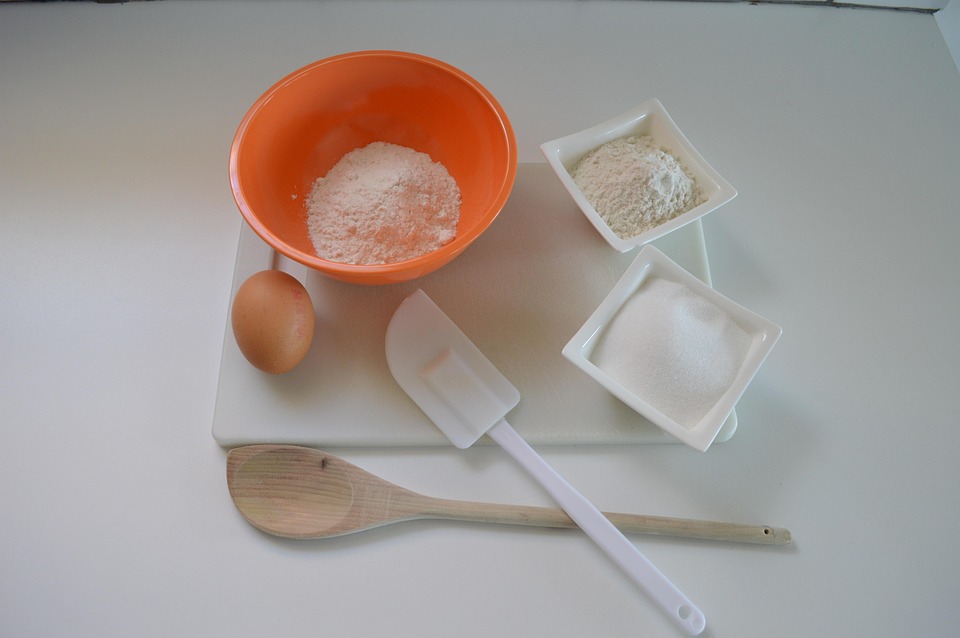
The Prep: Start with high-quality grass-fed butter, ideally organic. Gather fresh vegetables such as spinach and bell peppers, alongside protein sources like eggs or chicken. Set your cooking space with a skillet, spatula, and a cutting board for efficient preparation.
The Action: Heat the skillet over medium heat and add a tablespoon of butter. As it melts, add chopped vegetables and sauté until tender. If using eggs, crack them directly into the pan and mix with the vegetables until cooked to your liking.
The Feeling: As you savor your meal, expect a rich, creamy texture that coats your palate. The combination of healthy fats and protein will provide sustained energy, keeping you feeling satisfied for hours.
Pro Tip: Pairing butter with fiber-rich foods can further enhance metabolic effects and promote satiety.
Post-Workout Recovery
The Prep: Select grass-fed butter and combine it with a banana or sweet potato for a nutrient-dense recovery snack. Have a blender ready for quick preparation.
The Action: In the blender, add one tablespoon of butter, one ripe banana or half a baked sweet potato, and a splash of almond milk. Blend until smooth and creamy for a delicious post-workout treat.
The Feeling: Expect a velvety texture that feels indulgent yet nourishing. The healthy fats from butter will help in muscle recovery, while the carbohydrates replenish glycogen stores.
Pro Tip: Adding a pinch of sea salt can enhance flavor and aid in electrolyte balance after intense exercise.
For Flavorful Cooking
The Prep: Gather your favorite proteins such as chicken thighs or salmon fillets. Have fresh herbs like thyme or rosemary and a wedge of lemon nearby for added flavor.
The Action: Preheat your oven to 375°F. In a baking dish, place the protein and generously coat it with melted butter. Sprinkle fresh herbs and a squeeze of lemon juice on top, then bake for about 20-25 minutes until cooked through.
The Feeling: The dish will emerge fragrant, with a golden-brown crust. The butter locks in moisture and flavors, making each bite succulent and satisfying.
Pro Tip: Using butter in baking can enhance flavor and texture, making healthier versions of your favorite treats.
Avoiding Common Missteps
Choosing Low-Quality Butter
Many mistakenly opt for low-quality butter, believing it to be a healthier choice. This can compromise the potential benefits. Low-quality butter often lacks essential nutrients and may contain additives that detract from its health benefits.
Selecting high-quality grass-fed butter ensures you receive beneficial fatty acids and vitamins. Grass-fed varieties are richer in omega-3 fatty acids and vitamins A, D, E, and K, which are vital for metabolic health.
Neglecting to Pair with Nutrient-Dense Foods
Using butter alone does not maximize its benefits. Failing to pair it with nutrient-dense foods can result in missed opportunities for metabolic enhancement. Butter should complement a diet rich in vegetables, lean proteins, and healthy carbohydrates to create a balanced meal.
Incorporating butter into meals that include fiber and protein can amplify its metabolic effects. This combination promotes satiety and energy balance, making meals more satisfying.
Overusing Processed Alternatives
Many people replace butter with processed spreads, believing them to be healthier. These alternatives often contain unhealthy trans fats and artificial ingredients that can hinder metabolic function.
Opting for natural, minimally processed butter provides essential nutrients that support overall health. Embracing whole foods can enhance metabolic efficiency and overall wellness.
The Science Behind Butter’s Benefits
Butter contains a unique composition of fatty acids that can influence metabolic processes. These fatty acids, particularly medium-chain triglycerides, are utilized more efficiently by the body for energy compared to long-chain fatty acids found in other fats. This results in increased energy expenditure, enhancing metabolic rate.
The key compound in butter is butyrate, a short-chain fatty acid produced during the fermentation of dietary fibers in the gut. Butyrate has been shown to improve insulin sensitivity and promote fat oxidation, both of which are critical for effective metabolic function.
Clinical studies suggest that incorporating healthy fats like butter can aid in weight management and metabolic health. The benefits of butyrate and other fatty acids are supported by research available on PubMed, highlighting the positive effects on metabolism and overall health. For more details, check out this link.
Choosing the Right Product
- Potency: Look for butter that clearly states it is grass-fed, as this indicates higher nutrient levels.
- Purity: Choose organic options to avoid pesticides and additives that can interfere with health.
- Form: Stick butter is often more versatile in cooking than spreadable varieties, which may contain oils.
Benefits vs Risks
| The Benefits | Potential Downsides |
|---|---|
| Enhances flavor in meals and improves satisfaction. | Excessive consumption can lead to weight gain if not balanced with overall calorie intake. |
| Provides essential fatty acids and fat-soluble vitamins. | May not be suitable for individuals with dairy allergies or lactose intolerance. |
| Supports metabolic health when used with nutrient-dense foods. | Can be misused in processed forms that diminish health benefits. |
Habits to Enhance Your Metabolism
Regular physical activity complements dietary choices. Engaging in consistent exercise boosts metabolism and improves overall health. Incorporating strength training can enhance muscle mass, which in turn increases resting metabolic rate.
Adequate hydration is equally important. Drinking water throughout the day supports metabolic processes and can promote efficient digestion. Pairing hydration with meals that include butter can further enhance nutrient absorption.
Who Should Avoid This?
– Individuals with dairy allergies
– Those who are lactose intolerant
– People on strict low-fat diets
– Individuals with specific cardiovascular concerns
Common Questions
Is butter bad for my health?
Butter can be part of a healthy diet when consumed in moderation and paired with nutrient-dense foods.
Can I use butter for baking?
Yes, butter enhances flavor and texture in baked goods, making it a suitable option for various recipes.
How much butter should I consume daily?
Moderation is key. One to two tablespoons per day can be beneficial as part of a balanced diet.
What is the best way to store butter?
Keep butter in a cool, dark place or refrigerate it to maintain its freshness and flavor.
The Bottom Line
Incorporating butter into your diet can enhance your metabolism when done thoughtfully.
- The Truth: Butter should not be the sole source of fats in your diet.
- The Strategy: Use it in moderation, especially during cooking or as a topping.
- The Next Step: Experiment with recipes that pair butter with whole foods for maximum benefit.
Get Your FREE Natural Health Guide!
Subscribe now and receive our exclusive ebook packed with natural health tips, practical wellness advice, and easy lifestyle changes, delivered straight to your inbox.