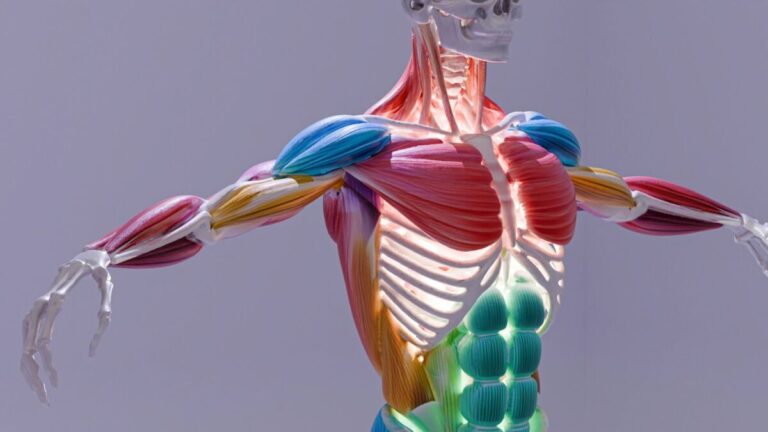
Physical Resilience Through Yoga For Muscle Strength

Confitrol24™ Feminine Urinary Support
- Formulated with Urox® to support natural pelvic floor muscle tone
- Designed to assist with daily feminine urinary control and comfort
- Manufactured in a cGMP-compliant, FDA-registered facility

VigRX® Incontinix Male Bladder Control
- Formulated specifically to support male urinary health and baseline control
- Clinically researched ingredients for daily maintenance and comfort
- Manufactured in a cGMP-compliant, FDA-registered facility
I feel the subtle tremor in my arms when I hold a pose longer than usual. This sensation signals that my fibers are working against gravity to maintain structural integrity. Many people seek stability through weights while overlooking the load that bodyweight movement places on connective tissues.
Movement quality matters more than the volume of repetitions. A sustained hold recruits dormant fibers that often remain quiet during rapid motion. This consistent tension leads to improved tone over time.
Yoga for muscle strength provides a functional method to increase lean mass by using gravity as a constant source of resistance. Individuals achieve results by holding postures that demand significant effort from the core and limbs for extended periods. This approach builds endurance alongside density without requiring heavy iron equipment.
Key Takeaways
- Studies show that consistent bodyweight resistance training can improve force production by 15 to 20 percent over 12 weeks.
- The American College of Sports Medicine suggests that static holds should last between 30 and 60 seconds to optimize recruitment.
- Research from the National Institutes of Health indicates that mind-body activities support long-term metabolic health.
Isometric Tension And Progressive Loading
Muscles grow when they face stress that forces them to adapt. Static holds create a state where the target area remains contracted for a duration that fatigues the fibers. This process triggers a signaling response that prompts adaptation.
Progression happens by extending the duration of the hold or reducing the stability of the base. Minor adjustments to joint angles drastically change the demand on the surrounding tissues. You should prioritize quality alignment to protect joints while maximizing the effort of the fibers.
Consulting MedlinePlus health resources helps clarify how structural loading supports bone density and overall physical health. Never stop or change any medication without consulting the provider who recommended it.
Standard Bodyweight Movement Protocols
Success requires a structured approach to ensure balanced development across the entire body. These four movements form the basis of a routine focused on fiber activation.
- Plank Variations target the entire anterior chain including the deep stabilizers of the torso.
- Chair Pose creates intense demand on the quadriceps and glutes by forcing them to support the weight of the torso at a disadvantageous angle.
- Warrior Two requires steady focus and sustained engagement of the lower body to remain grounded while the arms provide counterbalance.
- Boat Pose asks the abdominal wall to maintain tension while the legs and upper body remain elevated off the floor.
Evaluating Force Generation In Static Holds
The following table illustrates how duration impacts the perceived effort and the subsequent adaptation potential. These metrics are estimates based on standard biomechanical observations.
| Hold Duration | Primary Fiber Type | Effort Level |
| 15 Seconds | Fast Twitch | Moderate Baseline |
| 45 Seconds | Mixed Fiber | High Intensity |
| 90 Seconds | Slow Twitch | Endurance Focus |
Biomechanical Principles Of Weighted Postures
Leverage determines the actual load placed on a specific area during a session. Moving your hands further from your center of gravity increases the force required to maintain a shape. This simple physics concept allows for continuous growth as you gain proficiency.
Deepening the angle of a joint also recruits more fibers. Small changes like sinking lower into a lunge or lifting the heels shift the burden significantly. Focus on keeping the joints stacked to ensure that the tissue carries the weight rather than the skeletal structure.
Data from the Centers for Disease Control supports the inclusion of varied resistance activities in a weekly schedule. Consistent practice creates a sustainable path toward personal wellness goals.
Fueling The Adaptation Process
Tissue recovery requires specific building blocks to repair the microscopic stress of a workout. Protein provides the nitrogen balance needed for new fiber creation. You should aim for consistent intake throughout the day to keep the metabolic environment favorable for growth.
Water intake plays a major role in the efficiency of cellular processes. Dehydration inhibits the ability of the fibers to contract with full force. Proper hydration ensures that the chemical reactions required for tissue repair proceed without friction.
Complex carbohydrates offer the energy required for long sessions. These sources provide a steady release of glucose into the bloodstream. This sustained energy prevents the premature fatigue that often cuts a session short.
Frequently Asked Questions
Does this method build size like heavy lifting?
This approach focuses primarily on density and functional tone rather than the rapid growth associated with heavy external loads. You will notice increased definition and improved capability as the fibers become more efficient at sustaining tension.
The aesthetic outcomes depend on your specific intake and genetics. Most individuals report a leaner appearance as the body becomes more efficient at maintaining posture and movement.
How often should these sessions occur?
The body needs time to repair the stress placed on the tissues during each session. Aiming for three to four days per week allows for adequate recovery while keeping the signal for growth active.
Listen to the feedback provided by your own tissues. If you feel excessive soreness that lasts beyond forty-eight hours, add an extra day of rest between sessions.
Can beginners start with these routines?
This method is highly scalable for any level of fitness. Start with shorter hold times and prioritize the placement of the limbs to avoid strain.
Modification is encouraged to accommodate your unique range of motion. Use walls or blocks to assist with balance until your stability improves.
What is the most important element for growth?
Consistency is the deciding factor in long-term outcomes. Showing up for the session and putting in focused effort each time triggers the adaptation cycle.
Over time, the nervous system becomes better at recruiting dormant fibers. This improvement in recruitment leads to measurable changes in the ability to hold difficult shapes.
Does the type of surface matter?
A stable surface provides the best feedback for balance and joint alignment. Avoid soft mats that create instability unless you have advanced experience with core stabilization.
Hard surfaces help you feel the connection between your body and the floor. This awareness improves the quality of every hold and protects the integrity of the joints.
The Bottom Line
Building lean muscle with yoga for muscle strength is an effective way to improve physical stability and fiber tone. Focus on steady breath and precise alignment to maximize the impact of every hold. Trust the process of gradual progression to see results.
Incorporate these movements at least three times per week to maintain momentum. Pay attention to how your body responds to the tension and adjust the duration of your holds to keep the challenge relevant.
Individuals with existing joint issues or cardiovascular conditions should avoid intense isometric holds. Consult a licensed healthcare provider before starting any new wellness routine.
Get Your FREE Natural Health Guide!
Subscribe now and receive our exclusive ebook packed with natural health tips, practical wellness advice, and easy lifestyle changes, delivered straight to your inbox.