
Contents
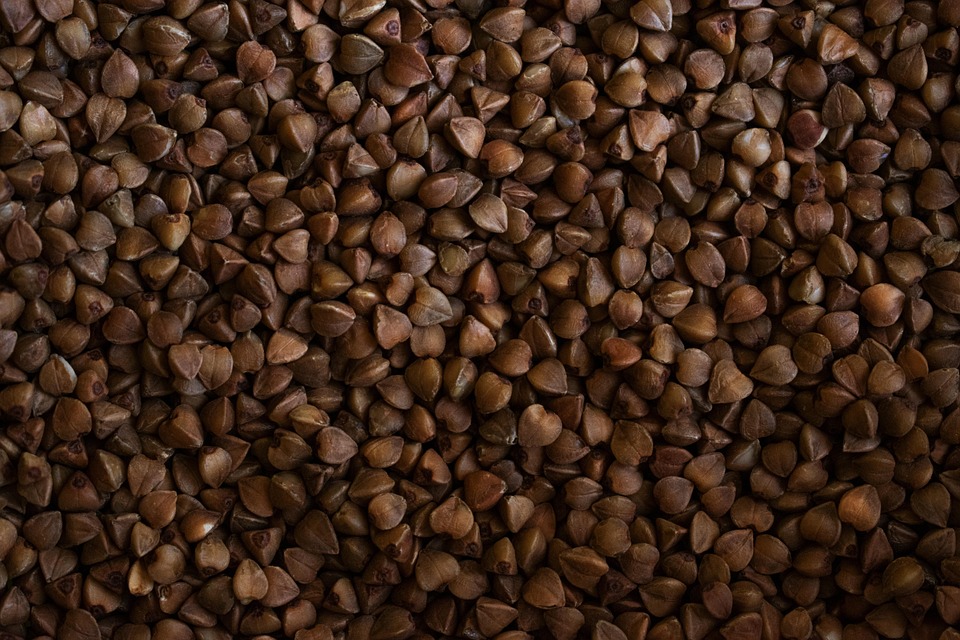
Buckwheat groats are gaining attention as a formidable ally in managing blood sugar levels. This pseudocereal, often mistaken for a grain, boasts a unique nutritional profile that can significantly impact glucose metabolism. Individuals grappling with blood sugar fluctuations often find themselves in a constant struggle to maintain balance. The challenges posed by refined carbohydrates and high glycemic index foods can lead to spikes and crashes, resulting in fatigue, irritability, and cravings. For those seeking a nutritional solution, buckwheat groats present an opportunity for stabilization and improved overall health.
Incorporating buckwheat groats into one’s diet can offer a multifaceted approach to blood sugar management. Rich in fiber, protein, and essential nutrients, this wholesome food can enhance satiety and slow the absorption of sugars into the bloodstream. The complex carbohydrates found in buckwheat are digested at a slower rate, helping to prevent the rapid insulin spikes that often accompany high-glycemic foods. Understanding how to effectively utilize buckwheat groats can empower individuals to take control of their blood sugar levels and improve their overall well-being.
The versatility of buckwheat groats makes them easy to integrate into various dishes. Whether as a breakfast porridge, a savory side dish, or an ingredient in baked goods, buckwheat can be prepared in numerous ways. This adaptability allows individuals to enjoy the benefits of buckwheat while exploring different culinary experiences. The time and effort invested in preparing meals with buckwheat can lead to substantial health benefits, particularly for those managing diabetes or insulin resistance.
As more individuals seek natural remedies for blood sugar regulation, buckwheat groats stand out as a practical and nutritious option. The journey toward better health is often about making informed choices. Embracing buckwheat as a staple can pave the way for improved blood sugar control and contribute to a balanced diet.
How to Use Buckwheat Groats for Real Results
- Best Form: Cooked groats
- Best Time: Breakfast or lunch
- Expected Result: Stabilized blood sugar levels
Morning Boost with Buckwheat Porridge
The Prep: Start with half a cup of raw buckwheat groats and rinse them thoroughly under cold water. Gather additional ingredients like almond milk, cinnamon, and a tablespoon of chia seeds for added texture and nutrients. This simple combination will create a filling breakfast that supports blood sugar control.
The Action: In a saucepan, combine the rinsed buckwheat groats with two cups of almond milk. Bring the mixture to a gentle boil, then reduce the heat and simmer for about 15 minutes until the groats are tender. Stir in the chia seeds and cinnamon just before serving. This porridge is creamy and can be topped with fresh fruits or nuts.
The Feeling: The warm porridge provides a soothing sensation as it fills the stomach. The fiber content leads to a gradual release of energy, avoiding the typical mid-morning crash. Expect to feel satisfied and energized for hours.
Pro Tip: Prepare the groats the night before by soaking them in water to reduce cooking time in the morning.
Nutritious Lunch Salad
The Prep: Use one cup of cooked buckwheat groats as a base. Prepare fresh vegetables like spinach, cherry tomatoes, and cucumbers. You can also include protein sources such as grilled chicken or chickpeas to make the salad more satisfying.
The Action: In a large bowl, combine the cooked buckwheat with the chopped vegetables. Drizzle with olive oil, lemon juice, and season with salt and pepper. Toss the ingredients together until well combined. This salad is vibrant and packed with nutrients, making it a great option for lunch.
The Feeling: Each bite offers a crunch from the fresh vegetables and a nutty flavor from the buckwheat. The meal is filling yet light, providing sustained energy throughout the afternoon without causing blood sugar spikes.
Pro Tip: Prepare a larger batch of this salad to have leftovers for the next day, ensuring you have a quick, healthy meal ready to go.
Hearty Dinner Bowl
The Prep: For a satisfying dinner, use half a cup of cooked buckwheat groats alongside roasted vegetables like bell peppers, zucchini, and carrots. Add a protein source such as tofu or salmon to enhance the meal’s nutritional profile.
The Action: Preheat the oven to 400°F. Toss the vegetables with olive oil, salt, and pepper, then roast for about 20 minutes until tender. In a bowl, combine the cooked buckwheat with the roasted veggies and protein of choice. Drizzle with a tahini dressing for added flavor.
The Feeling: The warm bowl provides comfort and satisfaction, with the roasted vegetables adding a delightful sweetness. The combination of protein and fiber ensures that you feel full and nourished without feeling sluggish.
Pro Tip: Experiment with different seasonings and dressings to keep the flavors exciting and prevent meal fatigue.
Common Mistakes to Avoid with Buckwheat
Choosing Instant Buckwheat Products
Many people opt for instant buckwheat products for convenience. However, these often contain added sugars and preservatives that can negate the health benefits. Instant varieties may have a higher glycemic index, leading to potential spikes in blood sugar levels.
Instead, choose whole buckwheat groats or minimally processed options. Cooking them from scratch ensures maximum nutritional value and better control over what goes into your meals.
The effort to prepare whole groats is worth the nutritional gain. Whole foods contribute to better overall health and more stable blood sugar levels.
Overlooking Preparation Techniques
Improper preparation can lead to an unappetizing texture and flavor. Many individuals fail to rinse buckwheat groats thoroughly before cooking, resulting in a bitter taste. This step is crucial for removing any residual saponins that can affect flavor.
Always rinse the groats under cold water until the water runs clear. This simple step enhances the groats’ taste and ensures a more enjoyable eating experience.
The right cooking techniques can transform buckwheat into a delicious and versatile ingredient. Properly prepared groats can be a delightful addition to various dishes, making healthy eating more enjoyable.
Ineffective Portion Sizes
Misjudging portion sizes can lead to either excessive caloric intake or insufficient nutrient consumption. Some individuals may underestimate how filling buckwheat is, leading to overeating. Others may consume too little, missing out on its benefits.
Understanding serving sizes is key. A typical serving of cooked buckwheat groats is about half a cup. This amount provides ample fiber and protein while keeping calorie counts in check.
Learning to measure portions accurately can help maintain a balanced diet. This awareness contributes to better blood sugar management and overall health.
The Science Behind Buckwheat’s Benefits
The biological mechanism of buckwheat’s impact on blood sugar involves its unique composition. Buckwheat is high in soluble fiber, which slows digestion and the absorption of carbohydrates. This gradual process helps prevent sharp increases in blood sugar levels. Additionally, the presence of resistant starch in buckwheat contributes to improved insulin sensitivity.
Key compounds in buckwheat, such as rutin, play a significant role in its health benefits. Rutin is a flavonoid with antioxidant properties that can help reduce inflammation and improve vascular health. This compound has been shown to assist in regulating blood sugar levels, making buckwheat a valuable addition to a diabetes-friendly diet.
Clinical studies have highlighted the positive effects of buckwheat on blood sugar management. One study indicated that individuals who consumed buckwheat experienced improved glycemic control compared to those who did not. The findings support the notion that incorporating this food can be beneficial for those at risk of diabetes. For further research, you can explore more on this topic through PubMed.
Choosing the Right Product
- Potency: Ensure that the groats are whole and minimally processed to retain their nutritional integrity.
- Purity: Look for organic certifications to avoid pesticides and harmful additives.
- Form: Select whole groats rather than flour or instant varieties to maximize health benefits.
Benefits vs Risks
| The Benefits | Potential Downsides |
|---|---|
| Rich in fiber, aiding digestion and blood sugar control. | May cause allergic reactions in rare cases. |
| Provides essential nutrients, including protein and antioxidants. | Improper preparation can lead to undesirable taste. |
| Versatile and easy to incorporate into various meals. | Can be high in calories if portion sizes are not managed. |
Habits to Enhance Buckwheat Benefits
Incorporating regular physical activity can amplify the benefits of buckwheat. Exercise enhances insulin sensitivity, helping to stabilize blood sugar levels further. Engaging in activities like walking, swimming, or strength training can complement a diet rich in buckwheat.
Mindful eating practices also play a crucial role. Taking the time to savor meals and listen to your body’s hunger cues can prevent overeating. Pairing mindful eating with buckwheat can lead to better digestion and improved blood sugar management.
Who Should Avoid This?
– Individuals with a known buckwheat allergy.
– Those who are sensitive to gluten should check for cross-contamination.
– People with specific dietary restrictions that may limit their ability to consume whole foods.
Common Questions
Can buckwheat help with weight loss?
Yes, the high fiber content can promote feelings of fullness, potentially aiding in weight management.
Is buckwheat gluten-free?
Yes, buckwheat is naturally gluten-free, making it suitable for those with celiac disease or gluten sensitivity.
How should I store buckwheat groats?
Store buckwheat groats in an airtight container in a cool, dry place to maintain freshness for extended periods.
Can buckwheat be eaten raw?
While raw buckwheat groats can be soaked and sprouted, cooking is recommended for optimal digestibility and nutrient absorption.
The Bottom Line
Incorporating buckwheat groats into your diet can significantly benefit blood sugar management.
- The Truth: While buckwheat offers numerous health benefits, it is not a cure-all.
- The Strategy: Aim to include buckwheat in meals during breakfast or lunch for optimal results.
- The Next Step: Experiment with incorporating buckwheat into your favorite recipes for variety.
Get Your FREE Natural Health Guide!
Subscribe now and receive our exclusive ebook packed with natural health tips, practical wellness advice, and easy lifestyle changes, delivered straight to your inbox.