Steps To Naturally Harden Tooth Enamel
Your smile relies on a tough outer layer that protects the sensitive nerves deep inside your teeth. Acidic foods and drinks can wear this layer down over time. Keeping your mouth healthy involves daily choices that support your internal chemistry.
You can protect your dental structure by focusing on mineral intake and pH balance. Consistent habits help maintain the strength of your bite without harsh chemicals. Small shifts in your routine lead to significant results for your oral health.
To naturally harden tooth enamel, focus on remineralization through a nutrient dense diet and proper hydration. Limit acidic exposure throughout the day to prevent mineral loss. Use fluoride free toothpaste alternatives to support your natural saliva production.
Key Takeaways
- Saliva maintains a pH level between 6.2 and 7.6 to prevent mineral loss.
- Consuming 1,000 milligrams of calcium daily supports skeletal and dental integrity.
- Waiting 30 minutes after meals before brushing prevents surface wear during acid attacks.
I noticed many of my long term readers maintain better oral strength when they space out acidic beverages throughout their workday. Small adjustments matter.
Understanding The Structure Of Your Smile
The Biological Components Of Dentin And Enamel
The outermost layer consists of hydroxyapatite crystals. These minerals give your teeth their signature hardness. They act as a shield against physical pressure and temperature changes.
Underneath this surface lies the dentin. This layer contains tiny tubes that lead to the nerve center. When the outer shell weakens, these tubes become exposed to the environment.
The Role Of The Oral Microbiome
Your mouth hosts millions of bacteria that interact with your food. Some bacteria produce acids that pull minerals from your teeth. A balanced ecosystem keeps these populations in check.
Saliva provides the minerals your teeth need to repair themselves. It acts as a buffer against acidity. Good hydration keeps this liquid flowing properly.
How To Naturally Harden Tooth Enamel Through Nutrition
Your body draws on your blood supply to deliver minerals to your teeth. A diet rich in specific nutrients facilitates this internal repair process. Research from the National Institutes of Health indicates that fat soluble vitamins are essential for proper mineral absorption.
- Calcium Rich Foods: Include dairy, leafy greens, or sardines in your meals. Calcium acts as the primary building block for your dental shell.
- Phosphorus Sources: Eat nuts, seeds, and lean meats to pair with your calcium intake. Phosphorus works alongside calcium to stabilize your structure.
- Vitamin K2 Intake: Add fermented foods like sauerkraut or high quality butter. This vitamin helps direct minerals toward your bones and teeth instead of soft tissues.
A Comparison Of Common Dietary Impacts
| Food Category | Mineral Contribution | Acidity Level |
|---|---|---|
| Green Vegetables | High | Low |
| Sugary Sodas | None | High |
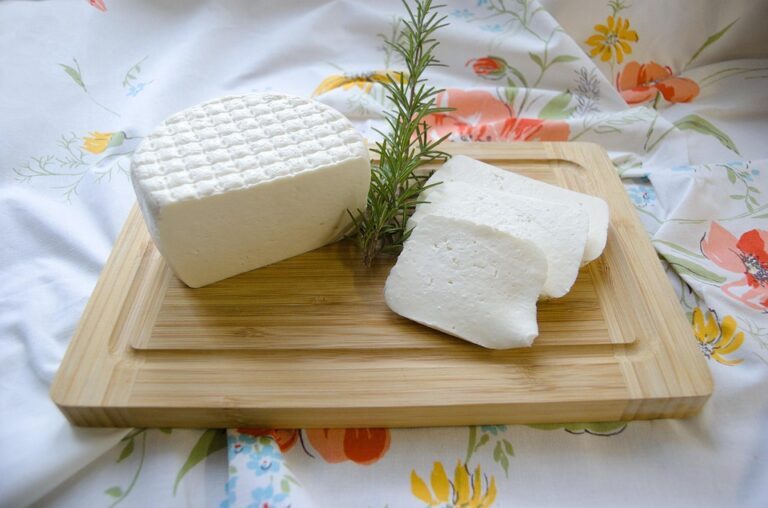
| Hard Cheeses | Very High | Very Low |
The Importance Of Saliva Production
Stimulating Natural Defense Mechanisms
Chewing xylitol gum after meals triggers a massive release of saliva. This flow washes away food particles that fuel harmful bacteria. It also delivers fresh minerals back to your surface.
Avoid mouthwashes that contain alcohol if you struggle with dryness. These products can disrupt the natural environment. Stick to water or saltwater rinses for cleaning.
Managing Daily Acid Exposure
Acids from coffee or fruit juices create a temporary soft state on your surface. Brushing immediately after consuming these items can cause permanent damage. Wait for your saliva to rebalance the pH before you use a toothbrush.
Daily Habits For Surface Resilience
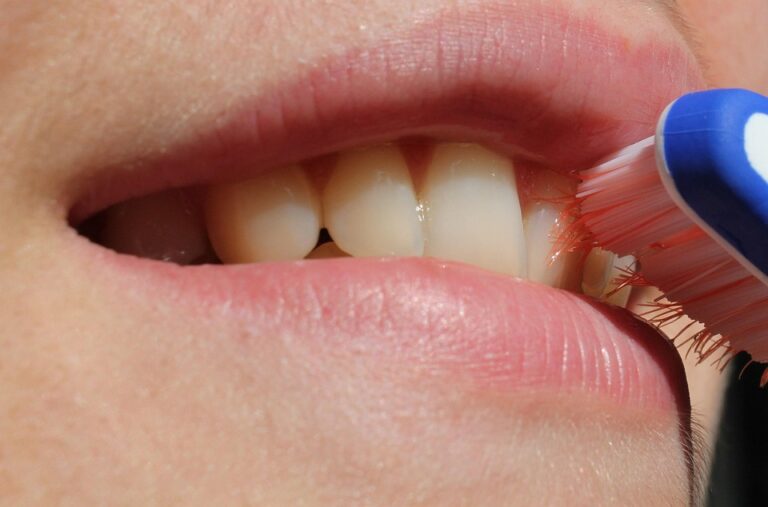
- Use Soft Bristles: Avoid firm brushes that scrape your surface. Gentle circular motions clean effectively without causing abrasion.
- Time Your Brushing: Wait 30 minutes after any meal before you brush. This allows your saliva to harden the surface again after it softens from food acids.
- Stay Hydrated: Sip water throughout the day. Water keeps your mouth pH neutral and prevents bacteria from sticking to your teeth.
Scientific Foundations Of Mineral Exchange
Demineralization occurs when the pH in your mouth drops below 5.5. At this point, the crystals in your teeth begin to dissolve into the saliva. This process happens every time you consume carbohydrates.
Remineralization happens when the pH rises back to a neutral state. Your saliva contains the necessary calcium and phosphate ions for this. According to the National Library of Medicine, proper ion concentration in saliva is a key predictor of dental density.
Practical Examples Of Mineral Density Calculations
Calculate your daily mineral intake to ensure you meet basic requirements. A target of 1,000 milligrams of calcium often requires a mix of three servings. A single cup of cooked spinach provides about 250 milligrams of calcium.
Add a cup of yogurt to reach another 300 milligrams. Finish with a serving of almonds to add the final 400 milligrams. This simple math secures your structural needs for the day.
Advanced Considerations For Dental Integrity
Understanding Teeth Grinding Effects
Grinding or clenching your teeth creates invisible micro cracks in your structure. Over time, these cracks invite bacteria deep into the layers. Use a night guard to cushion your bite during sleep.
The Connection Between Stress And Saliva
High stress levels reduce your saliva output. Dryness makes your mouth more prone to mineral depletion. Focus on deep breathing or light movement to manage your nervous system.
The Impact Of Lifestyle Choices
Regular exercise benefits your whole body including your oral cavity. Physical activity improves circulation, which transports nutrients to your gums and roots. Research provided by the Centers for Disease Control highlights the clear link between overall physical wellness and oral longevity.
- Manage Sugar Cravings: Sugar feeds bacteria that create acidic environments. Opt for whole fruits instead of processed sweets.
- Limit Grazing: Eating small amounts throughout the day keeps your mouth in an acidic state. Stick to defined meal times to give your mouth a chance to recover.
- Temperature Control: Avoid extremely hot or cold items. Frequent shifts in temperature can stress the physical structure of your teeth over time.
Frequently Asked Questions
Does drinking water with lemon help or hurt?
Lemon water contains citric acid, which is highly acidic. While it provides a refreshing taste, frequent consumption can soften your surface. If you enjoy this beverage, use a straw to minimize direct contact with your teeth.
Rinsing your mouth with plain water after finishing your drink helps restore a neutral pH quickly. This habit allows your natural minerals to harden your surface once the acid is washed away.
Can I repair existing damage naturally?
The body does not regrow lost structural matter once it is gone. You can, however, reinforce the remaining surface by providing the right minerals. This prevents further wear and supports the health of the dentin below.
Consistent mineral intake and proper brushing habits stop the cycle of loss. Many individuals see a reduction in sensitivity when they focus on remineralizing their diet. You maintain what you have through daily diligence.
Is coconut oil pulling effective for oral strength?
Oil pulling has a long history in traditional wellness routines. It helps reduce the presence of harmful bacteria that contribute to acid production. By cleaning the environment, it allows your saliva to perform its job better.
You should view this as a supportive practice rather than a total solution. It does not replace the need for physical cleaning. Use it alongside a nutrient dense diet for the best results.
Why does my mouth feel dry at night?
Saliva production naturally drops while you sleep. This is why it is vital to brush before bed. If you leave food particles behind, bacteria have several hours to produce acid in a dry environment.
Some people find relief by using a humidifier in their bedroom. This keeps the air moist and helps your mouth remain comfortable. Staying hydrated during the day also ensures your body has enough fluid to support nightly saliva flow.
How often should I use mineralizing pastes?
Mineral pastes supplement the natural minerals found in your saliva. They work well for people who have high acid exposure or frequent sensitivity. You can apply them as directed on the packaging for extra support.
Do not use these products as a substitute for a balanced diet. Your teeth need internal support from the nutrients you eat. These external applications are simply an additional tool in your wellness kit.
The Bottom Line
Maintaining strong teeth requires a mix of smart dietary choices and consistent daily habits. By managing acid exposure and ensuring high mineral intake, you protect your smile from unnecessary wear. Focus on hydration and timing your brushing to keep your mouth in a healthy state. Steps to naturally harden tooth enamel rely on your dedication to these simple adjustments every single day.
Those with existing severe tooth decay, deep cavities, or specific genetic conditions should avoid attempting to address these issues alone. Consult a licensed healthcare provider before starting any new wellness routine.
Get Your FREE Natural Health Guide!
Subscribe now and receive our exclusive ebook packed with natural health tips, practical wellness advice, and easy lifestyle changes, delivered straight to your inbox.