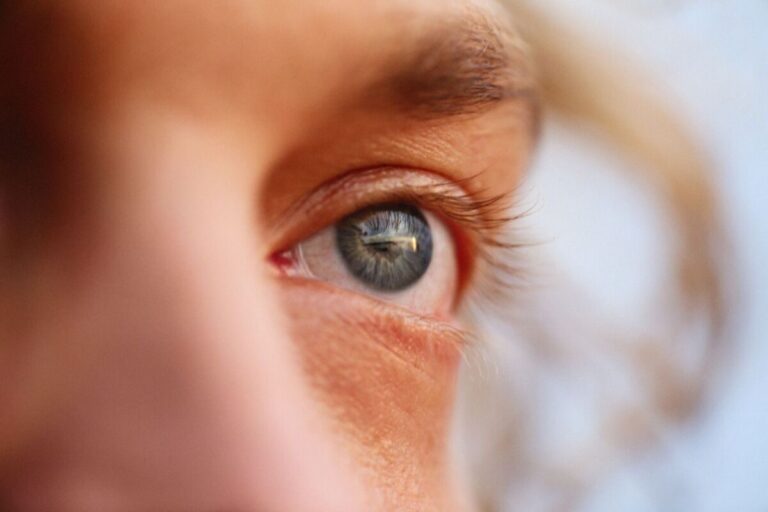
Identifying Signs Of An Overactive Light Sensitivity Photophobia Response In Daily Living
I feel the familiar pull of a throbbing headache whenever the fluorescent office bulbs flicker above my desk. We all experience moments where the world feels too bright, forcing us to squint or retreat into a darker room for relief. This physical reaction represents a complex interaction between our nervous system and the environment surrounding us.
The research defines this heightened reaction to illumination as a nervous system signal rather than a primary health condition. It often functions as a warning sign from the brain regarding inflammation or sensory overload within the optic nerve pathway. Understanding these signals helps individuals manage their environment more effectively during difficult days.
Signs of an overactive light sensitivity (photophobia) response typically involve involuntary eyelid closure, persistent squinting in moderate indoor settings, and a constant urge to seek dim surroundings. These behaviors serve as the body’s method of reducing sensory input when the visual cortex remains in a state of heightened arousal. Addressing the underlying environmental triggers provides the most reliable path toward comfort.
Key Takeaways
- Sensory thresholds for average individuals typically sit between 300 and 500 lux for comfortable indoor work environments.
- Neurological studies indicate that up to 80 percent of people who experience migraines report significant discomfort when exposed to blue-spectrum light.
- Standard metrics from the National Eye Institute suggest that chronic light aversion often warrants a thorough evaluation of underlying ocular health.
Biological Foundations Of Sensory Overload
Our eyes act as the primary gateway for light to reach the brain. Specialized cells in the retina transmit signals that go far beyond basic visual processing. These signals impact our internal clock and general alertness levels throughout the day.
When these pathways become hypersensitive, the brain struggles to filter incoming photons efficiently. This process creates a cycle where light intensity directly influences the perception of physical discomfort. Data regarding workplace eye health highlights how consistent exposure to artificial glare exacerbates these neural pathways over time.
The intensity of the reaction often depends on the specific spectrum of light involved. Natural sunlight contains a balance of all colors, while artificial sources often lean heavily into blue or green spikes. These specific wavelengths tend to stimulate the pain-sensitive neurons in the head more intensely than warm-toned bulbs.
Categorizing Sensitivity Levels In Daily Life
| Intensity Level | Visual Impact | Recommended Action |
| Low Sensitivity | Minor squinting | Adjust screen brightness |
| Moderate Sensitivity | Persistent eye fatigue | Use tinted filters |
| Severe Sensitivity | Involuntary eye closure | Consult eye professionals |
Practical Strategies For Managing Visual Input
Adjusting your immediate surroundings remains the most effective way to regulate sensory input. Small, deliberate changes to how you interact with your workspace reduce the frequency of intense reactions.
- Adjusting monitor settings to a warmer color profile reduces the blue spectrum output significantly.
- Utilizing matte screens helps prevent the harsh glare that often triggers a negative physical reaction.
- Applying window film serves as a consistent barrier against harsh sunlight during the peak afternoon hours.
Quantitative Assessment Of Light Exposure
You can calculate your personal light load by tracking the duration and intensity of your daily exposure. Consider this basic formula: Multiply the total hours spent under fluorescent lighting by the estimated lux value of your environment. An average office space often reaches 500 lux, while a dim bedroom might sit at 50 lux.
Comparing these values against your symptoms provides a clear picture of your threshold. If your symptoms spike after four hours at 500 lux but stay low at 100 lux, you have identified your functional ceiling. Use this data to negotiate your workspace environment or implement scheduled breaks away from high-intensity zones.
The Role Of Nutrient Intake In Ocular Health
The eyes require specific building blocks to maintain their structural integrity and function correctly. Research from the National Library of Medicine confirms that certain pigments found in leafy greens support the retinal cells that filter excess light. A diet rich in lutein and zeaxanthin helps create a natural internal filter for the eyes.
Focus on incorporating colorful vegetables into your daily meals to support overall eye wellness. Consistent intake of these compounds provides a layer of protection against daily environmental stressors. While no single food acts as a miracle, regular consumption creates a supportive baseline for the entire visual system.
Frequently Asked Questions
How Do I Identify If My Sensitivity Is Environmental Or Internal?
Environmental sensitivity usually resolves quickly once you move to a dim room or put on sunglasses. If your discomfort persists regardless of light levels, the origin may involve systemic factors or inflammation within the cranial region.
Paying attention to the timing of your symptoms provides a vital clue. Environmental triggers often correlate with specific locations, while internal factors tend to follow a consistent daily pattern regardless of your physical location.
Can Blue Light Filters On Screens Actually Help My Symptoms?
Blue light filters work by shifting the color temperature of your display toward the warmer end of the spectrum. This reduces the signal intensity sent to the brain, which often lowers the overall sensory load during long periods of screen usage.
Many individuals report a noticeable reduction in eye strain after implementing these digital filters. The effectiveness relies on consistent use during the later hours of the day when the eyes feel the most tired.
Are There Specific Times Of Day When Symptoms Are Worse?
Symptoms often peak during the late afternoon when cumulative light exposure reaches its maximum point for the day. Fatigue from the morning and early afternoon tasks can lower the threshold for sensory processing errors.
Planning your most intensive work for the early morning hours helps minimize the impact. This allows you to manage the load before your system reaches its peak exhaustion level.
Does Hydration Level Impact My Light Perception?
Proper hydration supports the tear film on the surface of the eye, which acts as the first point of refraction. When the eye surface becomes dry, vision clarity drops, and the eye must work harder to focus, which increases sensory stress.
Maintaining adequate fluid intake ensures that the eye surface remains smooth and clear. This reduces the minor visual distortions that can exacerbate an already sensitive visual system.
Should I Wear Sunglasses Indoors To Manage Sensitivity?
Wearing sunglasses indoors provides immediate relief from harsh light sources in the short term. However, it is important not to rely on this exclusively as your system may adjust and become even more sensitive over time.
Use them as a temporary tool while you adjust your environment or seek advice from a specialist. Balancing light exposure helps the nervous system maintain a healthy, flexible response to different environments.
The Bottom Line
Managing Why Bright Lights Trigger Your Daily Migraines requires a careful balance of environmental awareness and sensory management. By tracking your daily exposure and making small adjustments to your lighting, you support your nervous system in staying calm and functional. Focus on creating a space that respects your personal comfort threshold rather than pushing through the discomfort.
Never stop or change any medication without consulting the provider who recommended it. This content is for educational purposes and should not replace professional medical advice. Consult a licensed healthcare provider before starting any new wellness routine.
Get Your FREE Natural Health Guide!
Subscribe now and receive our exclusive ebook packed with natural health tips, practical wellness advice, and easy lifestyle changes, delivered straight to your inbox.