
The modern lifestyle often leads to increased cognitive demands, resulting in stress and mental fatigue. Many individuals find themselves struggling with focus, memory retention, and overall mental clarity. Traditional solutions like caffeine and energy drinks may offer short-term relief but often come with undesirable side effects. A natural alternative that has gained attention for its potential cognitive benefits is the humble beetroot.
Beets contain powerful compounds that may enhance blood flow to the brain, which is crucial for optimal cognitive function. This enhancement can lead to improved memory, better concentration, and a general uplift in mental performance. Incorporating beets into one’s diet can be a simple yet effective strategy for those seeking to boost their brain health.
Understanding the specific mechanisms through which beets enhance brain blood flow is essential. The key lies in their rich nitrate content, which the body converts into nitric oxide. This compound plays a pivotal role in dilating blood vessels, thereby increasing blood flow. As a result, more oxygen and nutrients reach the brain, supporting cognitive functions.
In this guide, you will discover practical ways to incorporate beets into your routine, the science behind their benefits, common mistakes to avoid, and much more. This comprehensive approach will empower you to harness the cognitive benefits of beets effectively.
Contents
How to Use Beets for Real Results
- Best Form: Fresh or juiced beets.
- Best Time: Morning or pre-workout.
- Expected Result: Enhanced focus and increased energy levels.
For Daily Protection
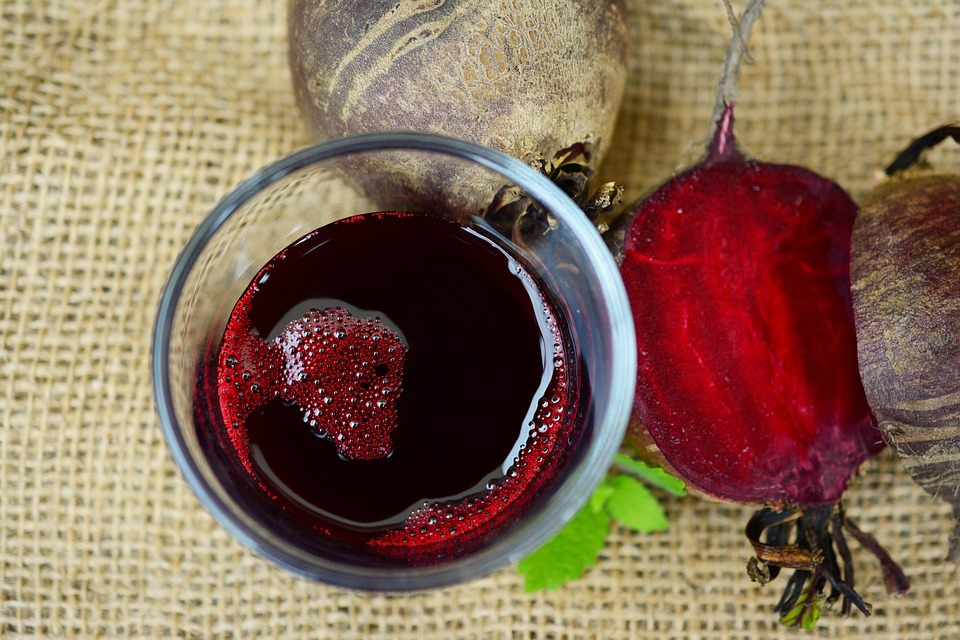
The Prep: Start with fresh beets, ideally organic. You will need two medium-sized beets, one apple for sweetness, and a piece of ginger for an extra kick. Rinse and peel the beets, core the apple, and slice everything into manageable pieces for your juicer or blender.
The Action: If using a juicer, process all ingredients until smooth. If using a blender, add a little water to help with the blending. Once blended, strain the mixture through a fine mesh sieve or cheesecloth to remove pulp. Pour the juice into a glass and enjoy immediately for maximum benefits.
The Feeling: After consuming the juice, many experience a refreshing burst of energy. You may feel a slight tingling sensation in your head as blood flow increases, lasting for a couple of hours.
Pro Tip: Make this a morning ritual to kickstart your day.
Targeting Acute Fatigue
The Prep: Gather two medium beets, half a lemon, and a handful of spinach. Wash and peel the beets, and prepare the spinach by rinsing it under cold water. Slice the beets into small pieces for easier blending.
The Action: In a blender, combine the beets, spinach, and freshly squeezed lemon juice. Add a cup of water to facilitate blending. Blend until smooth, then strain if desired. This drink is best consumed on an empty stomach for optimal absorption.
The Feeling: The immediate effect is often a noticeable uplift in mood and energy levels. Many report feeling more alert within 30 minutes, with sustained energy lasting several hours.
Pro Tip: Pair this drink with a light breakfast for enhanced effects.
The Nighttime Routine
The Prep: For a calming nighttime drink, you will need one small beet, a cup of chamomile tea, and a teaspoon of honey. Start by brewing chamomile tea and allowing it to cool slightly. Peel and dice the beet.
The Action: Blend the diced beet with the chamomile tea and honey until smooth. Strain if preferred. This drink can be consumed approximately an hour before bedtime to promote relaxation.
The Feeling: Many individuals experience a soothing sensation that helps in winding down. The calming effects from the chamomile, combined with the beet’s energy-boosting properties, can lead to a restful evening.
Pro Tip: Keep the preparation simple to encourage consistency.
Common Errors to Avoid
Using Low-Quality Ingredients
Using low-quality beets can significantly diminish the health benefits. Non-organic beets may contain pesticides that can counteract the positive effects on brain function. Always opt for fresh, organic beets whenever possible to ensure you are maximizing your intake of nutrients.
Additionally, using processed beet products may not provide the same nitrate levels as fresh beets. The processing often removes essential compounds that contribute to cognitive benefits. Investing in high-quality ingredients is crucial for reaping the full advantages.
Overconsumption
Overindulging in beet consumption can lead to an overload of nitrates, which may cause digestive discomfort or even a temporary drop in blood pressure. It is essential to moderate intake and listen to your body.
A balanced approach ensures that you gain the cognitive benefits without experiencing adverse effects. Moderation allows the body to adapt to the increased nitrate levels while maximizing blood flow benefits.
Neglecting Pairings
Failing to pair beets with other nutrient-dense foods can limit their effectiveness. For instance, combining beets with healthy fats, such as avocado or nuts, can enhance nutrient absorption.
Incorporating a variety of foods ensures that you receive a comprehensive range of nutrients that support cognitive health. This variety can lead to a more significant impact on overall brain function.
The Mechanism Behind the Benefits
Beets contain high levels of nitrates, which the body converts into nitric oxide. This compound is vital for vascular health as it helps dilate blood vessels, improving blood flow throughout the body, including the brain. Enhanced circulation increases oxygen supply, which is essential for optimal cognitive function.
The key compound in beets responsible for these effects is dietary nitrate. Research has shown that dietary nitrate can increase blood flow and improve cognitive function in older adults and those with cognitive decline. This compound plays a crucial role in maintaining brain health.
Clinical evidence supporting the cognitive benefits of beets can be found in numerous studies. One notable study published in the journal “Nutrients” discusses the impact of dietary nitrates on cognitive function. For further reading, you can explore the details here: Nutrients Study.
Choosing the Right Product
- Potency: Ensure the beet product contains adequate levels of nitrates. High potency is essential for achieving the desired cognitive effects.
- Purity: Look for products free from additives or preservatives. Pure beet products maintain the integrity of beneficial compounds.
- Form: Choose between whole beets, beet juice, or powdered forms. Each has its advantages, but fresh or juiced beets often provide the most nutrients.
Benefits vs Risks
| The Benefits | Potential Downsides |
|---|---|
| Enhanced blood flow to the brain | Possible digestive discomfort if overconsumed |
| Improved cognitive function and memory | May lower blood pressure in sensitive individuals |
| Rich in antioxidants and vitamins | Risk of nitrate overload if excessive |
Habits to Enhance Benefits
Incorporating regular physical activity can significantly amplify the cognitive benefits of beets. Exercise increases blood circulation and promotes overall vascular health, complementing the effects of dietary nitrates.
Mindfulness practices, such as meditation or yoga, can also enhance cognitive function. Combining these practices with a diet rich in beets creates a holistic approach to brain health, fostering improved focus and mental clarity.
Who Should Avoid This?
– Individuals with low blood pressure should consult a healthcare provider before incorporating beets into their diet.
– Those with a history of kidney stones may need to limit beet consumption due to oxalates.
– People taking blood-thinning medications should seek advice, as beets can have a mild anticoagulant effect.
– Pregnant women should discuss dietary changes with a healthcare provider to ensure safety for both mother and baby.
Common Questions
Can beets help with memory loss?
Beets may improve blood flow to the brain, which can enhance memory and cognitive function, particularly in older adults.
How often should I consume beets for cognitive benefits?
Incorporating beets into your diet several times a week can support cognitive health without overconsumption.
Are beet supplements as effective as whole beets?
Whole beets provide a range of nutrients that supplements may lack. Fresh or juiced beets are generally more beneficial.
Can I consume beets if I have high blood pressure?
Beets may help lower blood pressure due to their nitrate content. However, consult a healthcare provider for personalized advice.
The Bottom Line
Incorporating beets into your diet can offer significant cognitive benefits, particularly through enhanced blood flow to the brain.
- The Truth: While beets are beneficial, they are not a cure-all for cognitive decline.
- The Strategy: Regular intake, especially in the morning or before mental tasks, maximizes benefits.
- The Next Step: Consider integrating other brain-healthy foods into your diet for a comprehensive approach.
Get Your FREE Natural Health Guide!
Subscribe now and receive our exclusive ebook packed with natural health tips, practical wellness advice, and easy lifestyle changes, delivered straight to your inbox.